

Multichannel Donor Communication Strategies for Better Engagement
The multichannel communication with the donor is a must-have for nonprofits that want to have donor bonds that last long. Nowadays, donors are interacting with brands, causes, and institutions through several platforms each day. When the communication feels scattered or not uniform, trust gets weaker. On the other hand, the situation of connected and intentional communication grows engagement. The present paper analyzes the role of channel-structured communication in creating clarity, building relationships, and improving donor engagement over the long term for the organizations active in the U.S.
Understanding the Importance of Multichannel Communication

Donors can be found in more than one inbox. Besides emails, they get text messages, visit websites, and participate in various social media platforms. Multichannel donor communication is the recognition of this fact and the organization of it. The intention is not to be present everywhere simultaneously. The intention is to be present with a uniform message wherever you are.
When institutions employ only one channel, they not only miss out on the opportunity to reach but also turn down the engagement. An email might go unnoticed by a donor, but a text reminder can get an answer. There might be someone reading an online yearly impact report instead of responding to or even noticing the messages coming their way. Multichannel donor communication protects the relationship from being broken by a single point of failure.
More than numbers, consistency is what matters. If you simply take the same message and send it out through different channels without any coordination, you are creating confusion. On the other hand, coordinated communication draws people into the habit of knowing and accepting the message. They will start trusting it and even obtaining it as their own.
How Donor Expectations Have Changed
In the past, donor behavior was completely different from what it is today. The main factors that people expect from their donations are punctual reports, pronounced results, and polite interaction. They do not want to be contacted repetitively with messages that they perceive as automated or remote.
Donor communication via multiple channels enables the charities to reach out to the donors in the most suitable way for them. Moreover, this choice is in line with the preferences of the donor. As an illustration, some donors prefer to receive emails, whereas others want to be informed through SMS, direct mail, or phone calls.
Do not consider this change as a burden increase. Instead, see it as a system upgrade for the organization. Furthermore, once the communication channels are unified, messages become easier to manage and harder to tailor.
The Role of Consistency in Donor Engagement
Consistency is trust’s cornerstone. All the time, donors must be able to identify your voice, tone, and reason through all the interactions. When multichannel donor communication is properly managed, it offers that consistency.
Every channel has to convey the same message. The words used in the communication should be understandable and together. The moments when messages are sent should appear to be deliberate. If a donor gets an email update and then finds the same message on your website, that confirms your integrity.
If the communications are not aligned, doubt is created. On the other hand, confidence is the result of consistency.
Common Challenges Organizations Face
A lot of businesses go for multichannel outreach without a proper strategy. The result is muddled communication and misunderstanding among employees. Different departments may be doing their own thing. One department does the emailing. Another one does the updating on social media. Still another one is managing the donor records and information separately.
Where there is no coordination, the result is a noisy multichannel donor communication. Some donors will receive conflicting information, while others will get the same message repeatedly. This would lead to more people opting out and less interaction.
Missing out on access to all possible donor interactions is another difficult situation to deal with. If donor relationships are not monitored across different channels, the organizations involved lose visibility. The inability to ascertain what is working, or not, does not arm them with an opportunity to change their strategy accordingly.
Creating a Structured Communication Framework
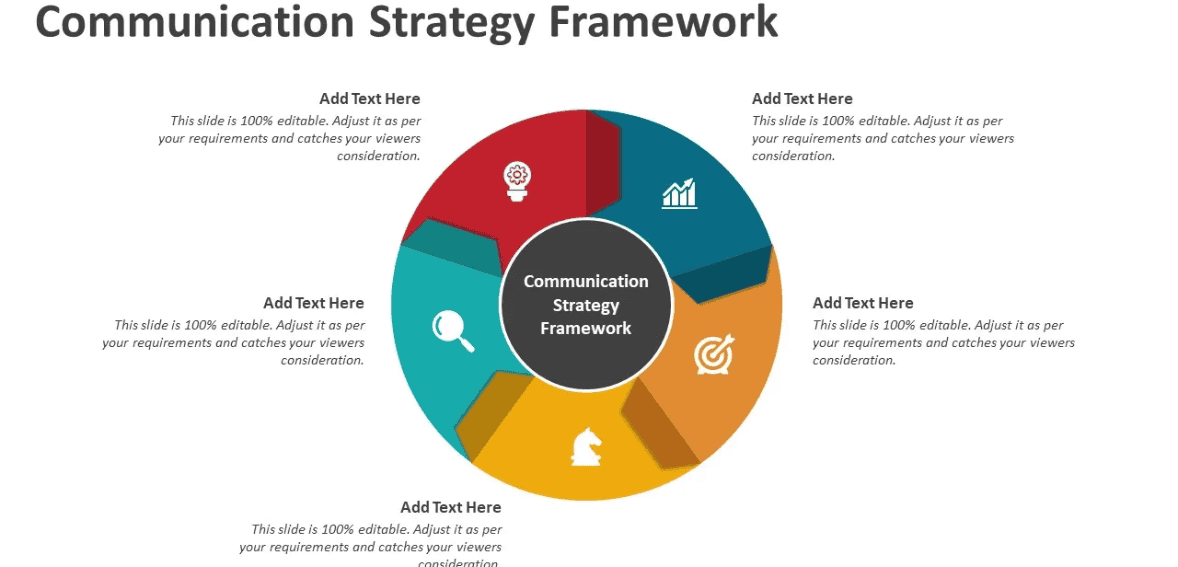
An effective communication framework is built upon clarity. Define purpose, audience segments, and communication objectives as the first step for the organization. Communication through multiple channels for donors is most effective when it is done deliberately.
Start with the selection of the central messages. The messages must reflect the organization’s mission, impact, and outcomes. Afterward, identify which channels would be the most effective for each message.
Not all messages should be carried by all channels. Email or text might be the best channels for delivering urgent updates. The educational content can be uploaded to the entity’s site. The stories of the impact could be posted on social media.
Structure brings in balance. This balance ensures that both donors and staff do not experience the feeling of being worn out.
Aligning Channels with Donor Journeys
Donors move through stages. Awareness comes first. Engagement follows. Commitment develops over time. Multichannel donor communication should reflect this journey.
New donors need clarity. They want to understand impact and purpose. Long-term donors want deeper insights and recognition. Lapsed donors need re-engagement without pressure.
Mapping communication to donor stages helps maintain relevance. It also reduces unnecessary messaging. Each channel plays a role at each stage.
This approach supports donor engagement strategies without overwhelming your audience.
Personalization without Complexity
Personalization is not a complicated issue requiring top-notch systems or massive amounts of data. It calls for care and organization. Multichannel donor communication empowerment has made it possible for organizations to customize their messages according to the most basic attributes.
People must be recognized by their names. It is very important that previous help is recognized. It is very important that certain causes or programs are mentioned.
Donors feel appreciated when communication is personal. When communication is impersonal, engagement drops.
This method provides support for personalized donor outreach, yet it is still easy for teams to handle.
Integrating Communication with Donor Data

Data is the glue that holds together communication channels. For example, when all donor interactions are recorded in one system, everyone in the team gets a better view of the situation. Furthermore, multichannel donor communication becomes accountable and can be adjusted according to the needs.
It is recommended that nonprofits keep a record of opens, responses, and engagement patterns. The analysis of such data will determine the most effective channels. At the same time, it will indicate the moments when donors are no longer interested in communication.
The linking of systems not only aids in donor relationship management but also provides a unified source of truth, thereby eliminating uncertainty, enhancing responsibility, and making the whole process more efficient.
Measuring What Counts
Response and retention are the only ways to define engagement—not through volume. By utilizing multichannel donor communication, organizations are in a better position to analyze the results of each channel used.
The metrics should prioritize clarity and the results. Were the donors responsive? Did they come back? Were they still participating in the campaign?
Among the benefits of measurement is getting the strategy sharper. It is not only about getting the best practices of donor retention by knowing the factors that keep the donors connected, but also about not losing effort through the clarification of the support strategy.
Avoiding Overcommunication

Communication in larger amounts does not result in better engagement. Multichannel donor communication should not tire the donor. Communication without limits leads to exhaustion.
Organizations should establish frequency parameters. They should keep an eye on the rates of unsubscribing. They should pay attention to the comments and opinions of the donors.
Respect is the basis for trust. Trust, in turn, is the key to being with the donor for a long time.
Training Teams for Consistent Execution
Systems only work when people understand them. Teams must know how communication channels connect. Multichannel donor communication requires shared standards.
Training ensures tone consistency. It ensures message alignment. It ensures accountability.
When teams work together, communication improves. Donors notice the difference.
Using Technology to Support Communication
Technology helps create structure. It does not substitute for strategy. The Multichannel Donor Communication tools should make the workflows easier without making them complicated.
Centralized systems can help with planning using schedules, messaging, and data. Automation is a facilitator of consistency. Human control guarantees genuineness.
Technology should back up the mission and not take attention away from it.
Keeping Trust Throughout Channels
Trust gets established by being transparent and dependable. Multichannel donor communication fosters trust, provided the communication is open and honest.
Do not make overstated assertions. Present actual results. Admit difficulties if needed.
Definitely, donors like to get the truth. Moreover, the truth is a factor that gradually strengthens relationships.
Adapting without losing identity
The changes in communication channels, the evolution of platforms, and changes in donor habits will keep communication through multiple channels adapting, but still retaining the organization’s identity.
Periodic reviews of communication strategies are a must for organizations. Data and feedback should be the basis for such adjustments.
In adapting to changes, the organization does not sacrifice its core values. On the contrary, it finds a new and more effective way to present them.
Long-Term Impact of Structured Communication
The predictable nature of engagement is a consequence of structured communication. At the end of the day, donors are well-informed. Communication is confident for teams. Leadership gets a better understanding.
Donor communication through multiple channels gives a boost to sustainability by establishing reliable systems of engagement. It lowers reliance on the efforts put in by a single person.
The factors that sustain success over the long run are clarity, conciseness, and proper teamwork.
Conclusion
Through organized multichannel donor communication, engagements become stronger because every interaction with the donor is made clear. With the right kind of communication, which is deliberate, steady, and in line with the donor’s standards, trust is built up without any struggle. Charities that put their money into well-planned communication systems gradually develop better partners, increase their donor base, and have lasting participation.
FAQ
What is multichannel donor communication?
Multichannel donor communication is about synchronizing the messaging over several platforms, such as e-mail, websites, and the like. The main aim is to establish a continuous and connected relationship with the donors.
Why is multichannel communication important for donors?
Each donor has his or her own preferred platform to communicate with the organization. Multichannel donor communication ensures that messages are delivered to the donors in a way that seems modern and natural, and also that they are given the respect due to them.
How many channels should an organization use?
There is no specified amount. Multichannel donor communication works most effectively where the channels are chosen according to the preferences of the donors and the capabilities of the organization.
Can small organizations use multichannel communication?
Absolutely! Multichannel donor communication is not dependent on a huge financial resource; it is only a matter of planning, consistency, and simple systems.
How do you measure communication effectiveness?
Effectiveness is gauged through engagement, response rates, and retention. Multichannel donor communication gives you a clear picture when the data is centrally tracked.