
Protecting Donor Data: Safeguarding Privacy & Trust
Protecting donor data in the current digital era, protecting the data of donors is a must for nonprofits that do fundraising online. Every single transaction, whether it is a donation, signing up for newsletters, registering for events, or monthly giving, has sensitive personal information. The donors expect the charities to treat that information very carefully indeed. If and when that trust is broken even once, it can result in losing credibility, receiving less money in future donations, and even the nonprofit facing a legal problem. However, nonprofits that make data security a priority can enjoy not only the reduced risks but also the reinforced donor ties and the organization’s long-term sustainability.
Protecting donor data with the digital shift in the fundraising process and the online nature of donor interactions, nonprofits have to learn how to protect donor information while observing transparency and compliance at the same time. This article discusses the importance of donor data protection, the risks faced by nonprofits, and the ways in which successful development of systems that both protect privacy and build trust with donors can be the outcome, making protecting donor data a core priority for modern nonprofits.
Understanding What Donor Data Includes
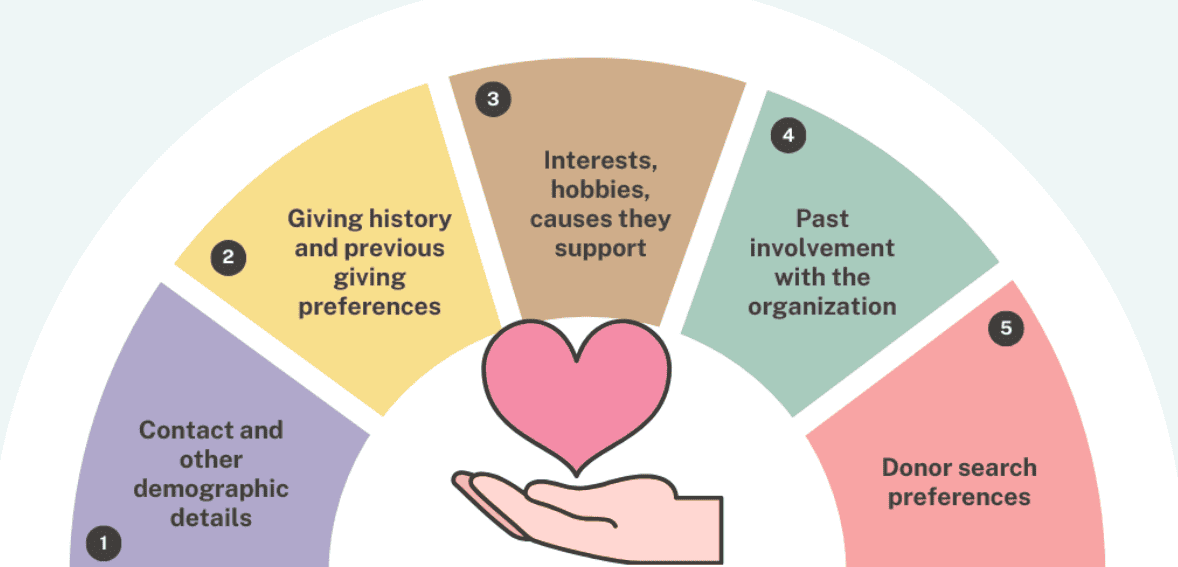
Donor data not only consists of names and emails but also much more. Protecting donor data means understanding that it can be any information that can authentically identify or describe a donor, along with their relationship with the organization.
The list of such information is usually made up of contact details, donation history, payment information, communication preferences, event attendance, and sometimes demographic data. Besides, many nonprofits tend to keep records about donor interests, engagement levels, and giving patterns. All this information is valuable, but sensitive at the same time. Knowing the extent of this information is a fundamental part of the process of protecting donor data.
Besides that, since the donors’ data is gathered through various channels like websites, donation forms, email campaigns, and even fundraising events, it can easily be scattered. Protecting donor data becomes more challenging in such cases, as the absence of controls will increase the probability of exposure, misuse, and loss to a greater extent.
Why Protecting Donor Data Is Critical for Nonprofits
There are mainly two reasons, which are ethical and practical, for donor data protection. In the beginning, the benefactors invariably anticipate that their confidentiality will be maintained and that the charities receiving their contributions will professionally handle their data. Trust could be lost, negative media coverage could be attracted, and donations could be lost as a result of one big data breach. Usually, the donors will cease their donations completely if they do not feel their data is secure. The loss might be heavy for the nonprofits counting on recurring donors the most, making protecting donor data a critical responsibility.
Legal and regulatory aspects are another point to consider. Protecting donor data is a legal obligation for nonprofits in the USA, which are obliged to observe the data protection laws and regulations of the industry as well. Not adhering to such can result in the imposition of penalties, litigation, and being scrutinized not only by the regulators but also by the donors, who may become more demanding.
However, the most important aspect is that the protection of donor data contributes to the long-term success of a mission. Protecting donor data ensures that secure donors are more likely to give again, increase their contributions, and partake in the mission.
Common Risks to Donor Data Security

Nonprofits encounter a number of risks concerning the security of donor data. Awareness of these risks is the first step towards their removal. Early detection of these risks results in the implementation of stronger systems for donor data protection, making protecting donor data a priority for nonprofits.
Using old technology is one of the main risks. Systems that are older than modern technology quite frequently miss out on the latest updates, such as safeguarding works, such as encryption, authentication, security, and patches. As a result, they become easy targets for hacking, which directly undermines efforts focused on protecting donor data.
Another serious risk is human mistake. There are numerous factors that come together to cause accidental data exposure: weak passwords, shared logins, phishing emails, and unverified access controls. The staff might be truly intentioned, but without proper training, they will keep creating vulnerabilities that can weaken the protection of donor data initiatives.
The involvement of third-party integrations is another risk factor. The use of several tools like email marketing, event management, and online donations is a common practice among nonprofits. If these systems are not securely interconnected, there is a possibility that donor data will be exposed during transfers or even while it is being stored, creating challenges in protecting donor data.
How Donor Trust Is Directly Linked to Data Protection
The trust of the donor is established by means of three factors, which are the same at the core: consistency, transparency, and accountability. Donor data protection is a very important factor in all three areas, and protecting donor data supports trust at every stage of the donor relationship.
When donors are assured their personal information is safe, they do not doubt supporting the organization. Moreover, donations are being made, yet the nonprofit demonstrates to the donor that it regards the relationship and not just the gift through the clear privacy policy and responsible data handling, reinforcing the importance of protecting donor data.
Trust is critical for donations on a regular basis. Donors who register for automatic giving are allowing the charity to access their financial information continuously. If this trust is broken, it may result in an immediate cancellation of the donor’s support and disengagement from the charity for a long time, which highlights why protecting donor data is essential.
Organizations that give data security priority usually enjoy stronger donor retention, more lifetime value, and better word-of-mouth referrals among the donors, proving that protecting donor data has a direct impact on long-term fundraising success.
Legal and Compliance Considerations in the United States
Depending on the kind of data and the location of their donors, US nonprofits have to observe various data protection regulations. These regulations can comprise state-level privacy laws, payment card industry standards, and federal consumer protection requirements. Nonprofits are not always required to follow the same guidelines as commercial companies, but they must still be responsible and open in their dealings, which makes protecting donor data a compliance priority.
The inquiry is not merely a matter of avoiding fines when it comes to compliance. Rather, it is about showcasing one’s professional standards and being accountable. Donors are much more conscious of data privacy matters, and they do expect that the organizations will provide a high level of service, reinforcing the need for protecting donor data.
To have good and documented policies, safe systems, and straightforward procedures is not only a requirement for nonprofits in the matter of compliance but also wings that help them gain the confidence of the donors. Compliance activities are directly involved in safeguarding donor data and keeping public trust, which is why protecting donor data remains essential.
Best Practices for Protecting Donor Data
These practices are the core principles for nonprofit operations to protect donor data in a structured way.
Implement Secure Data Storage Systems
The secure storage of data is the key to the protection of donor data. Nonprofits should adopt systems that provide encryption, secure backups, and access control.
Donor management software hosted on the cloud and specifically designed for nonprofits is usually more secure than using spreadsheets or separate tools. It also allows for easier retrieval of information because all the data is in one place, and the chances of it being duplicated or lost are lower.
Data has to be retained only for the required timeframe and afterwards safely erased. This practice not only reduces the chances of exposure but also facilitates compliance with regulatory requirements.
Control Access to Donor Information
All donor information doesn’t have to be available to each employee or volunteer. Access should be limited depending on the individual’s function and duties, as protecting donor data requires controlled and role-based access.
A robust password policy, combined with the implementation of multi-factor authentication, ensures security in layers. The use of shared logins must be discouraged; this is because it will cause difficulty in tracking and knowing the source of problems, making protecting donor data more challenging.
The access rights review that is conducted regularly makes sure that no one who is a former employee or a temporary user has access.
Train Staff on Data Security Awareness
Data protection on the donor side is not only secured by technology. Staff education is a top priority, too.
Nonprofits ought to sensitize their workers and volunteers on simple data security measures. This list of measures entails spotting phishing e-mails, safe password usage, and proper donor information handling.
Donor data management should be done according to access rules, storage, and sharing. When the employees are aware of the necessity of protecting data, they will at times practice the right things in the same way.
Utilize Secure Online Donation Forms.
Online donation forms are the usual points where donor data enters the organization. These forms are to be made secure and should comply with the standards of payment processing.
Encryption is the key to making it impossible for the sensitive data to be accessed by anyone while being transmitted. Donors feel more confident in providing their payment information when secure forms are used.
At the donation pages, there should be a clear indication of what donor information will be used and how it will be protected. Trust is built, and fear of the giving process is lessened by transparency.
The Role of Donor Management Software in Data Protection
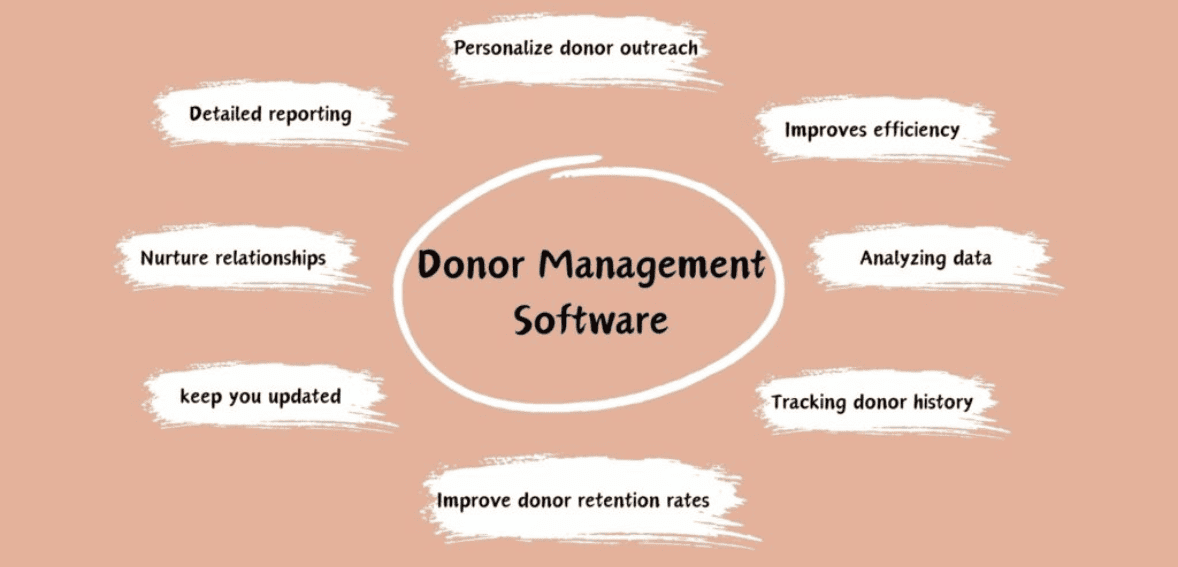
Donor management software is the primary means of safeguarding donor data. Nonprofit-specific platforms usually come with security features that are integrated to make compliance easier and less risky.
The systems collect records of donors in one place, which makes it possible to easily regulate access and keep track of the activities. Data loss is prevented through automated backups, while secure connections among the tools reduce the chances of exposure.
Nonprofits that use a donor management solution specifically designed for them also benefit from having proper and current records. Over time, clean data is less difficult to protect and manage.
The Importance of Data Protection in the Success of Long-Term Fundraising
Donor data protection is not solely a requirement from a technical perspective. It is a move to win the battle for long-term fundraising success strategically.
Donors are more inclined to contribute again and perhaps even more if they trust the charity. The implementation of secure data practices calls off the need to shift and at the same time fortifies donor commitment. For a long time to come, growth will largely depend on the continuous and consistent protection of donor data.
Moreover, the protection of data leads to improved communication. Nonprofits can rightly and securely target the audience and, at the same time, protect privacy when the donor’s information is good and safeguarded.
In the midst of a competitive fundraising environment, trust becomes a distinguishing feature. Nonprofits that show accountability and professionalism not only gain the trust of the donors but also shine among competitors.
Building a Culture of Privacy and Accountability
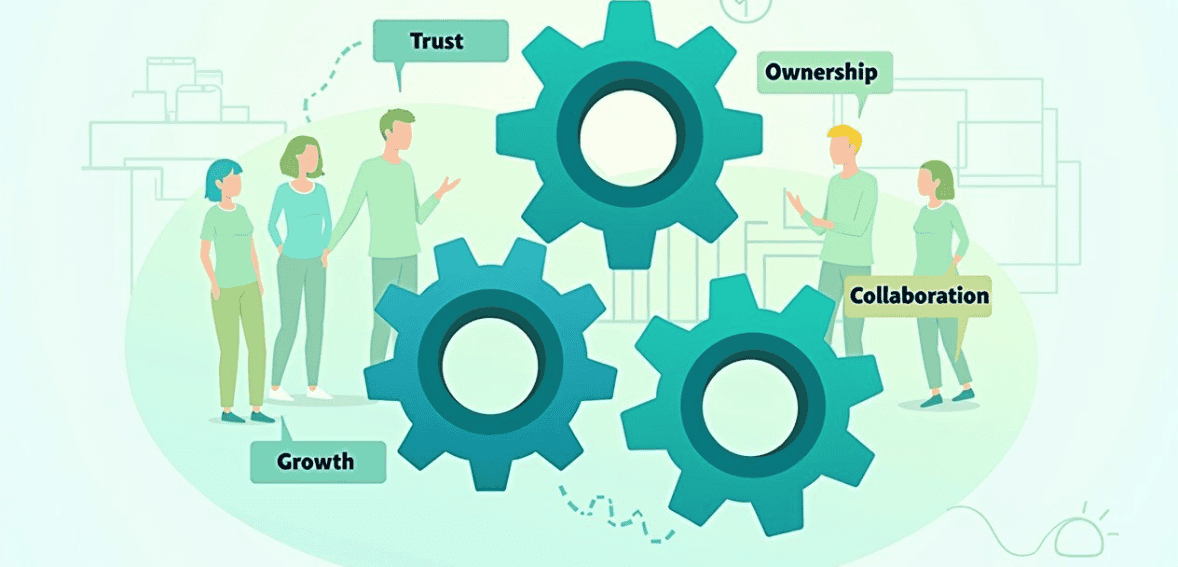
The emergence of privacy and accountability as a culture is a prerequisite for effective donor data protection, which goes beyond mere policies and tools.
The highest management must clarify the requirements and make data privacy a primary organizational value. Regular reviewing, updating, and auditing will keep the practice effective during the changes in technology and regulation.
Nonprofit organizations, by regarding the personal information of donors as something that needs to be treated with utmost care and respect, only become more committed to the cause of being transparent and fair.
Conclusion: Stepping Ahead with Assurance
The increase in sustainability for NGOs that give priority to donor data security is significantly higher. Trust is developed through trustworthy systems, properly trained staff, and openness. A donor data protection strategy that is both preventive and compatible with sustainability and donor trust is a major factor in maintaining confidentiality.
Digital fundraising, which is always changing, will not stop the protection of donor data from being the main responsibility. The non-profits that give this matter the attention it deserves will be able to concentrate on what really counts: promoting their cause and helping the community.
FAQ
What is donor data, and why is it considered sensitive?
Donor data is the collection of personal and financial information that can be used to identify every single supporter. It is considered sensitive because any misuse of the data or its mere exposure can directly affect the concerned donors and, hence, lead to loss of trust.
What measures should nonprofits apply to totally eradicate the risk of data breaches?
Nonprofit organizations could totally secure their sensitive information against data breaches by employing very secure systems, controlling the access of staff to various data, providing staff with training in security awareness, and updating software regularly.
Is it a legal obligation for the nonprofits to keep donor data confidential?
Yes, indeed. Nonprofits located in the US have to apply measures for data protection that are legal and also follow the standards set by the industry for keeping donor information confidential.
In what way does donor data protection boost donor retention?
The practice of making donors’ information secure is a major reason why they are likely to be convinced to give again and thus, be in a long-term relationship with the charity.
What does donor management software do in terms of data security?
Donor management software brings together all the data, manages who can access it and the like, and provides security features that significantly lower the risk and facilitate compliance.