

Donor CRM Adoption: Training Your Team and Ensuring Succes
The adoption of donor CRM is a major factor determining whether a nonprofit gets transformed positively or suffers from data disconnection, frustrated employees, and loss of donor opportunities. Numerous organizations buy a CRM with the hope of immediate improvement, but then they have to deal with low uptake, opposition from staff, and unreliable data. The source of the problem is not usually the software but the lack of proper preparation, training, and support for the people involved in the adoption process.
A donor CRM must be a helper in the workflow, not the other way around. If the staff are aware of the support provided by the system for their daily activities and the management is committed to offering proper training and setting up the right procedures, then the whole process of adoption becomes easy. The present article clarifies how a nonprofit can strategically plan for the donor CRM adoption, train the staff in a manner that is most effective, and, at the same time, ensure that the success is long-lasting without putting too much pressure on the staff or interrupting the normal daily activities.
Understanding Why Donor CRM Adoption Fails in Many Nonprofits
Many nonprofits presume that the mere act of buying a CRM will lead to more effective outcomes. However, the truth is that change does not occur solely with technology, and donor CRM adoption is unsuccessful when people are unaware of the system’s importance or how it can help them perform their jobs more effectively.
Among the problems affecting donor CRM adoption is the issue of unclear expectations. Employees are instructed to “use the CRM,” but without any explanation of what that entails. Resistance to change processes is another issue. Long-term employees may have accustomed themselves to working with spreadsheets or manual methods, and therefore, they might be very reluctant to undergo a learning process for a new system.
Time limitations are also a significant contributing factor to the poor adoption of donor CRM. If training is perceived as being hurried or not outright compulsory, then the employees will revert to their old ways of working.
Inadequate planning may also be a reason why donor CRM adoption gets cancelled. If the responsibility is not assigned to anyone specifically, then no one will accept the responsibility of keeping the data updated, pressing the use of the system, or even making the system reliable.
Eventually, the documents turn old, the reports lose their reliability, and the confidence in the system fades away, which directly impacts long-term donor CRM adoption. Acknowledging such problems is the initial stage for developing a feasible and personalized acceptance strategy that will be successful in your company.
Also Read: When to Offer Apple Pay, Google Pay, and ACH on Donation Pages
Aligning Donor CRM Adoption With Your Mission and Goals
Successful donor CRM adoption starts with alignment. The CRM should be viewed by your team as a support in the mission rather than in an administrative role. When the staff realizes that accurate donor data is a factor in strengthening impact, the motivation of the staff will go up.
Outline success according to your organization’s specification to support donor CRM adoption. It might be better reporting, improved donor retention, or more effective communication workflows. Link every objective to a particular CRM feature. For instance, show how donor interaction logging results in more targeted outreach or how data centralization boosts clarity.
The top management’s input is very important for sustained donor CRM adoption. When the top brass and supervisors are using the CRM regularly and bringing it into discussions about decision-making, it sends an unambiguous signal. The CRM is no longer seen as merely a technical tool for a few but rather as a core part of the organization’s culture.
Preparing Your Team Before Training Begins
The preparation of the training process will make it more effective and directly support donor CRM adoption. It is, moreover, a good idea to evaluate your team’s current processes before introducing features or workflows. Find out the good and bad parts of the processes. This will help in customizing training to the actual needs rather than demonstrating the usual ones.
There is another need critical to donor CRM adoption: effective communication. Make it clear the reason behind the company’s decision to take up or improve the CRM and what changes the staff can expect. Be open about the difficulty of the learning process, but at the same time, point out the long-term benefits. Bring up the issues that create discomfort in the process, and then try to alleviate them to lower resistance.
Training will have to be done with clear roles assigned first to ensure smooth donor CRM adoption. It will be necessary to determine who will take up the posts of system administrators, data stewards, and internal champions. Those people will be the ones to give continuous support and help reinforce best practices after the formal training has ended.
Practical and Role-Based Training Programs
Effective training is about focusing on relevance to support donor CRM adoption. Rather than showing all features to the staff and overwhelming them, it is better to customize the sessions to each role. Development staff, program managers, and leadership interact with the CRM in totally different ways. This is where training should reflect the difference in their usage.
Hands-on practice is a very important part of training for donor CRM adoption. The staff should be able to work with real-life situations that they encounter every day. This not only builds their confidence but also helps them see the value of the training immediately. To achieve this, focus on short and effective instructor-led training while avoiding elongated programs and seminars.
Documentation is another important side of learning that supports donor CRM adoption. Simple guides and recorded sessions that staff can revisit later should be provided. This will minimize reliance on memory and help new employees get trained more easily.
Whenever it is possible, integrate training into existing workflows to reinforce donor CRM adoption. Show employees how the CRM is incorporated into tasks they are already doing, rather than giving them extra steps. This will minimize friction and lead to consistent usage.
Building Confidence Through Ongoing Support

The training is not finished after the first session. Ongoing support is critical for long-term donor CRM adoption. The staff have to be informed of the communication channel that they should use when they have queries or when there is a change in the process.
Regular check-ins serve as early warning signs for issues that can affect donor CRM adoption. The process of feedback should be promoted, and workflows should be adjusted according to that. Small wins like improved data accuracy or campaigns that were successful with the help of CRM insights can be celebrated. The use of positive reinforcement instills confidence and strengthens the good habits formed.
Support from peers can be very effective in sustaining donor CRM adoption. Internal champions who are well-acquainted with the system can guide others. This creates a culture of peer learning among employees and reduces dependency on outside help.
Building Clear Data Standards and Processes
To be successful in implementing a CRM, consistency is of utmost importance. There is no doubt that unstandardized data quickly result in unreliable outcomes. Set up a ruleset that covers data input, naming conventions, and updates to records. Make the guidelines simple to comprehend and accessible to everyone.
Standards play a very important role. When the staff recognize that dirt-free data results in better reports and stronger donor relations, their adherence to the standards will increase. You can, of course, remind them of the standards during training and through frequent notifications.
But then, ownership also plays a significant role. Monitoring of data quality and rectification of issues should be set as a responsibility. This approach not only clarifies who is in charge but also ensures that minor issues do not escalate.
The system is debugged by strong donor data management practices, which in turn build trust in the system. The trust that the staff have in the data is the factor that determines their reliance on the CRM for decision-making and planning.
Integrating the CRM into Daily Workflows
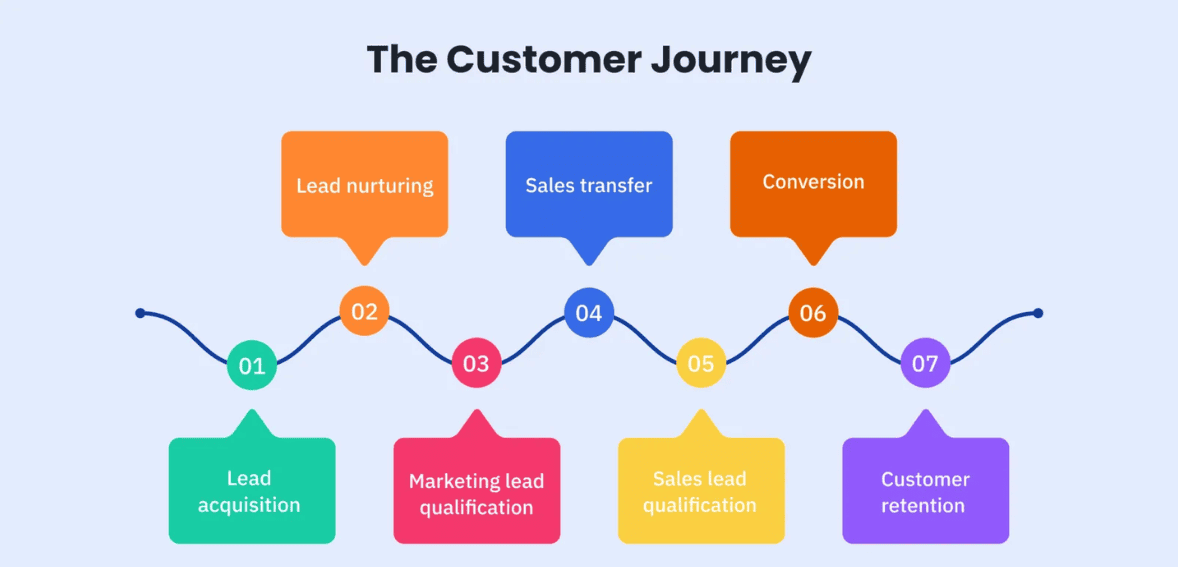
The success of Donor CRM adoption relies on the integration of the system into daily activities. Do not consider it a distinct duty that employees should recall to accomplish afterwards. Instead, integrate it into existing processes.
For example, logging donor interactions immediately after calls or meetings ensures accuracy. Using the CRM to generate reports for meetings reinforces its value. When the CRM becomes the primary source of information, usage becomes automatic.
Automation can also support adoption. The introduction of functionalities like these reminders and task assignments has lowered the manual labor, and consequently, employees have kept their workstations more organized. When the CRM saves time, resistance decreases.
Measuring Adoption and Adjusting Your Approach
Without a doubt, measurement is a progress enabler. Besides login frequency, it is also recommended to track other usage metrics like record updates and report generation. Such indicators give a hint at the extent of the system adoption.
Let the data be your best friend when it comes to improvements. In the case of certain features experiencing little usage, investigate the reason behind it. It can well be that more users need proper training, or the process might need some sort of change. However, some effort would be required to avoid criticism and find a solution.
Staff input is as important as metrics. Make it a habit to regularly inquire about the good and the not-so-good. Their feedback will not only be a chance to learn but also a way to show that you value their expertise and to be straightforward with them.
Gradually change your method. Donor CRM adoption is not a one-off project; it is an ongoing process. One of the main benefits of continuous improvement is the achievement of success in the long run.
Leveraging Technology to Support Organizational Growth

The productivity of the organization is significantly increased with a correctly adopted and properly used CRM system. It assists nonprofits in persuading supporters, keeping them interested, and planning future actions based on the information obtained. When the personnel are appropriately trained and confident, the CRM acts as a basis for the enlightened decision-making process.
The successful introduction of CRM for nonprofits relies heavily on the human factor as much as on the technical one. The combination of training, communication, and management support makes the software a vital component in the organization’s strategy. Nonprofits that invest in their manpower will notice not only better results but also a larger return on their investments.
Establishing a Culture That Accepts Change
Change is a tough task, but the culture decides the outcome. Promote curiosity and learning. Make questions ordinary and recognize that errors are part of the process.
Leadership should set the example of being adaptable. When leaders are learning and using the system openly, it shows that the company values growth. Gradually, this mentality will help technology to spread in the wider nonprofit sector and make the organization ready for future innovations.
A change-accepting culture fortifies resilience. It enables the nonprofits to adjust fearlessly to the changes in the donors’ expectations and the demands of their operations.
Ensuring Long-Term Sustained Success Through Continuous Improvement
It requires a lot of application to gain success over a long time. One must revamp the processes and provide new training materials according to the changing features. Make the use of CRM a part of the yearly performance evaluations where applicable.
It is a good practice to always know the best ways in donor engagement and how the system is used. This not only enables the organization to meet its CRM needs but also ensures that the organization is up-to-date on the usage of the system. As employees move to different positions or new ones are hired, it is a good idea to hold training sessions to keep everyone at the same level.
Conclusion
The adoption of Donor CRM is a success story only when the nonprofit organizations prioritize human beings over technology. The training, unambiguous communication, and continuous support make a CRM change its identity from merely a database to a strategy tool. The adoption is made easy and enduring when the teams know the system supports their work and the mission.
Nonprofits can assure long-term success by aligning objectives, preparing the personnel, and strengthening best practices. A CRM that is widely accepted enhances relations, increases efficiency, and facilitates development. When the right method is used, your organization can be very sure and clear to move ahead.
FAQ
What is Donor CRM Adoption?
Donor CRM Adoption refers to the successful process of integrating a CRM into the daily functions of the nonprofit organization in such a way that the staff are not only aware of using the CRM to manage the relationships and data of the donors, but also use it constantly.
What are the reasons that making training mandatory is a main factor for successful CRM deployment?
Training makes sure that the staff comprehend the system’s most correct and efficient usage, thereby minimizing mistakes and granting the users’ daily activities more support.
How long until CRM adoption shows its effects?
The results can vary from one case to another, but many nonprofits succeed in enhancing their data quality and efficiency within a few months of continuous use.
How can leadership support CRM adoption?
Leadership can support the adoption by themselves using the CRM, reinforcing the expectations, and investing in the training and support that would be ongoing.
What should nonprofits focus on after initial training?
Nonprofits after training should concentrate on the quality of the data, continuous support, and the regular review of the processes to ensure that success is long-term.