

From Spreadsheets to Cloud CRM: Why Small Nonprofits Should Embrace Donor Management Software
For many small nonprofits across the United States, spreadsheets have long been the default tool for tracking donors. They are familiar, inexpensive, and easy to get started with. In the early days of an organization, a simple Excel or Google Sheets file is sufficient to record names, emails, and donation amounts.
Over time, however, donor relationships grow more complex. Supporters give more than once. Volunteers change. Board members request clearer reports. Donors expect timely acknowledgments and personalized communication. At that stage, spreadsheets often stop being helpful and start becoming a liability.
This is where cloud donor management and a nonprofit CRM come into the picture. Modern donor management systems are no longer designed only for large organizations with IT teams and big budgets. Many cloud-based tools now serve small and faith-based nonprofits that want better organization without added complexity.
This explains why spreadsheets fall short, what a donor management system actually does, and how a cloud CRM for nonprofits can help small organizations strengthen donor relationships while saving time and reducing errors.
The Limitations of Spreadsheets for Donor Tracking
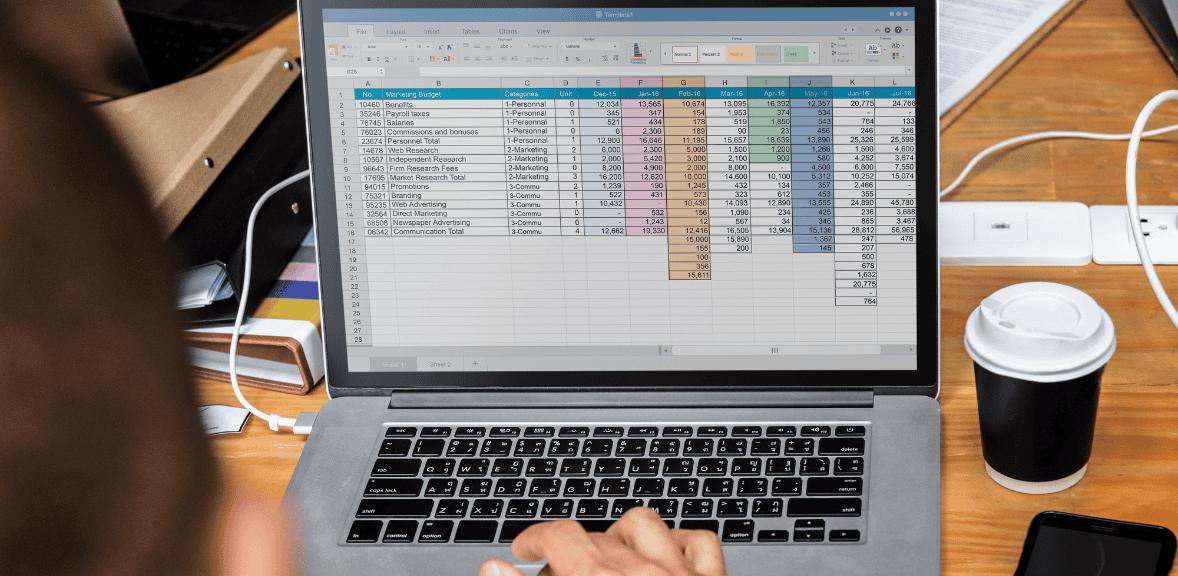
Spreadsheets work well for static lists, but donor data is rarely static. As soon as supporters begin interacting with your organization in different ways, spreadsheets start to show their limits.
Common challenges nonprofits face when using spreadsheets include:
- Duplicate donor records created by different staff or volunteers
- Conflicting file versions saved on multiple computers
- Donation history spread across numerous tabs or files
- Notes about donor interactions are stored separately or not at all
- Manual sorting and filtering every time a list is needed
Imagine a volunteer updating a donor’s address in one spreadsheet while another staff member uses an older version to prepare thank-you letters. The result may be returned mail, delayed acknowledgments, or donors receiving multiple messages meant for someone else.
Spreadsheets also make it difficult to see a complete picture of a donor at a glance. A nonprofit may know how much someone gave last year, but not when they last attended an event, volunteered, or responded to an appeal. That context matters when building relationships.
As organizations grow, even slightly, spreadsheets demand more manual work. Each update depends on someone remembering to make the change everywhere it is needed. Over time, accuracy declines, and confidence in the data goes with it.
Why Donor Data Matters More Than Ever
Donor expectations have changed. Supporters want to feel recognized and valued, not treated as anonymous transactions. This shift affects organizations of every size, including small nonprofits and faith-based groups.
Accurate donor data allows nonprofits to:
- Thank donors promptly and appropriately
- Acknowledge long-term supporters differently from first-time givers
- Avoid sending irrelevant or duplicate communications
- Understand giving patterns and retention trends
According to findings commonly cited across nonprofit sector research, retaining existing donors costs less than acquiring new ones. That insight becomes actionable only when an organization can clearly see who has given, how often, and how recently.
Without reliable donor data, decisions become guesswork. Appeals are sent broadly instead of thoughtfully. Board discussions rely on estimates rather than facts. Over time, this limits fundraising growth and strains donor trust.
A donor management system helps turn donor information into actionable insights, not just stored data.
What a Nonprofit CRM Actually Does
The term nonprofit CRM can sound intimidating, especially for organizations without technical staff. A CRM is a structured system for storing and managing donor information in one place.
At its core, donor database software replaces scattered files with a single system that records:
- Donor contact information
- Donation history over time
- Notes about interactions, meetings, or preferences
- Basic engagement activity, such as event attendance
Instead of searching through spreadsheets, emails, and paper notes, staff and volunteers can view a donor’s history in a single view. This reduces errors and saves time.
Many nonprofit CRMs also handle routine tasks that spreadsheets cannot manage efficiently, such as:
- Automatically recording online donations
- Generating donation receipts
- Creating donor lists based on giving behavior
- Producing summaries for leadership or board review
These functions are not intended to add complexity. They eliminate repetitive work, enabling nonprofits to focus on relationships rather than record-keeping.
How Cloud Donor Management Changes the Experience

A key difference between older software and modern systems is delivery. Cloud donor management tools operate through a web browser rather than being installed on a single computer.
For small nonprofits, this model offers several practical advantages:
- No software installation or maintenance
- Access from any location with internet access
- Multiple users can work at the same time without overwriting data
- Automatic data backups handled by the provider
This matters in real-world nonprofit environments where staff may work part-time, volunteers rotate frequently, or board members need occasional access to reports.
A cloud CRM for nonprofits supports collaboration without creating version control issues. Everyone works from the same current information.
Security is also improved. Instead of donor data residing on a single laptop or USB drive, information is stored in professionally managed systems that reduce the risk of data loss.
Spreadsheets vs. Donor Management Systems

Comparing spreadsheets to a donor management system highlights why many nonprofits eventually make the transition.
Spreadsheets are flexible, but they depend entirely on manual effort. Every update, correction, or report requires someone to remember what to do and how to do it.
A donor management system, by contrast, enforces consistency. Fields are standardized. Records are linked. Donation totals update automatically. Over time, this structure leads to cleaner data and fewer mistakes.
Spreadsheets also struggle with history. While they can store historical data, they are not designed to surface patterns. Identifying supporters who gave last year but not this year, for example, can take significant manual effort.
Donor tracking tools built into nonprofit CRMs make these insights accessible without advanced technical skills. This allows small organizations to act on data rather than just store it.
Ease of Use for Non-Technical Teams
One of the most common concerns among small nonprofits is whether a CRM will be too complicated. This concern is understandable, especially for organizations run by volunteers or staff wearing multiple hats.
Modern donor management systems are increasingly designed for users without technical backgrounds. Interfaces focus on clarity rather than configuration. Everyday tasks are guided rather than hidden behind complex menus.
Many cloud-based systems provide:
- Simple data import from spreadsheets
- Clear dashboards showing recent activity
- Built-in help resources and tutorials
Tools such as Cloud Donor Manager are designed for small and faith-based nonprofits, emphasizing straightforward workflows over advanced customization. The goal is not to turn staff into database administrators, but to make donor information easier to manage.
Learning curves still exist, but they are typically measured in hours or days, not weeks.
Also read: Spreadsheet Chaos: 7 Signs It’s Time to Switch to Real Donor Management Software
Affordability and Return on Time
Cost is another significant barrier that keeps nonprofits tied to spreadsheets. Historically, CRM systems were expensive and required long-term contracts.
Today, many donor management systems offer pricing models scaled to smaller organizations. Some provide free or low-cost tiers based on donor count or feature needs.
The return on investment is not only financial. Time saved on manual tasks often becomes the most immediate benefit. Tasks that once took hours, such as preparing donor lists or checking giving history, can be completed in minutes.
That time can be redirected toward donor outreach, program work, or volunteer coordination. For small nonprofits, reclaimed time is often as valuable as new funding.
Better Reporting Without Complex Analysis

Reports play a critical role in nonprofit decision-making, but spreadsheets make reporting labor-intensive. Every report requires manual filtering, sorting, and formula checks.
A nonprofit CRM simplifies reporting by using the data already stored in the system. With a few selections, organizations can generate summaries showing:
- Total donations by period
- Donor retention trends
- Lists of supporters who gave previously but not recently
As noted in sector-wide analyses, having access to timely donor information helps nonprofits adjust their strategies before problems grow. Reporting becomes routine rather than a stressful task completed only when required.
Importantly, these reports do not require advanced data skills. They are designed for everyday users who need clear answers, not spreadsheets full of formulas.
Supporting Collaboration and Continuity
Staff turnover and volunteer changes are common in small nonprofits. When donor knowledge lives in someone’s personal spreadsheet or email inbox, that information often disappears when they leave.
A nonprofit CRM provides continuity by storing institutional knowledge in a single shared system. Notes about donor preferences, past conversations, or special considerations remain accessible to the organization, not just individuals.
This continuity helps maintain donor relationships even as roles change. New staff or volunteers can quickly understand past interactions without starting from scratch.
Cloud-based access ensures that authorized users can contribute without needing file copies or specialized software.
Making the Transition from Spreadsheets to a CRM

Moving away from spreadsheets does not have to be disruptive. Many nonprofits transition gradually, starting with their most essential donor data.
A practical approach often includes:
- Cleaning existing spreadsheets to remove duplicates and outdated records
- Choosing one system as the single source of truth
- Importing cleaned data into the new platform
- Training staff and volunteers using built-in resources
The key mindset shift is commitment. Once the CRM is in place, all donor updates should happen there, not in parallel spreadsheets. This prevents confusion and ensures data remains accurate.
Organizations that approach the transition step by step tend to see benefits quickly, even before fully exploring all features.
Why Cloud-Based Donor Management Fits Small Nonprofits
Small nonprofits often assume that professional tools are out of reach. In reality, cloud donor management has significantly lowered the barrier to entry.
Because cloud systems require no infrastructure and minimal setup, organizations can focus on using the tool rather than managing it. This aligns well with the realities of small teams and limited resources.
The combination of accessibility, affordability, and ease of use makes cloud-based donor management systems a practical option rather than a luxury.
Looking Ahead: Building Stronger Donor Relationships

Spreadsheets are familiar, but familiarity does not equal effectiveness. As donor expectations grow and nonprofit work becomes more complex, relying on manual systems creates unnecessary risk.
A donor management system provides structure without rigidity. It supports better communication, clearer insights, and stronger relationships. For small nonprofits, these improvements can have an outsized impact.
Cloud-based platforms, such as Cloud Donor Manager, demonstrate that donor management no longer requires large budgets or technical expertise. Instead, it requires a willingness to move beyond tools that were never designed for relationship-based fundraising.
For organizations ready to strengthen donor connections while reducing administrative strain, transitioning from spreadsheets to a cloud CRM is a practical, achievable step.
Conclusion: A Practical Shift That Supports Long-Term Growth
Spreadsheets may feel comfortable, but they were never designed to support long-term donor relationships. As nonprofits grow—even modestly—the risks of missed information, manual errors, and lost context increase. These challenges do not reflect a lack of effort; they reflect tools that have reached their limits.
A cloud-based nonprofit CRM helps small organizations organize donor data more clearly, respond to supporters more thoughtfully, and make decisions based on accurate information rather than guesswork. By moving donor records into a centralized system, nonprofits reduce administrative strain and create space for more meaningful engagement.
For small and faith-based nonprofits in the United States, cloud donor management is no longer an advanced option reserved for large teams. It is a practical step toward stronger relationships, better stewardship, and more sustainable fundraising—without adding unnecessary complexity.
FAQs
Is a nonprofit CRM only functional for large organizations?
No. Many modern nonprofit CRMs are explicitly designed for small organizations with limited staff or volunteers. They focus on simplicity, enabling teams to manage donor information without technical expertise or dedicated IT support.
How is cloud donor management different from traditional software?
Cloud donor management systems are accessed through a web browser rather than installed on a computer. This allows multiple users to work from the same data, provides automatic backups, and reduces the risk of lost or outdated files.
Can a donor management system replace spreadsheets completely?
Yes, in most cases. Once donor data is imported and the system becomes the primary record, spreadsheets are no longer needed for tracking donations or contact information. This reduces duplication and improves accuracy over time.
Is donor database software complex to learn?
Most donor database software for small nonprofits is designed for non-technical users. Everyday tasks are guided, and many systems include tutorials or help resources to support onboarding and daily use.
What is the most significant benefit of moving away from spreadsheets?
The most significant benefit is clarity. A donor management system provides a complete view of each supporter, making it easier to communicate appropriately, retain donors, and make informed decisions based on reliable data.