
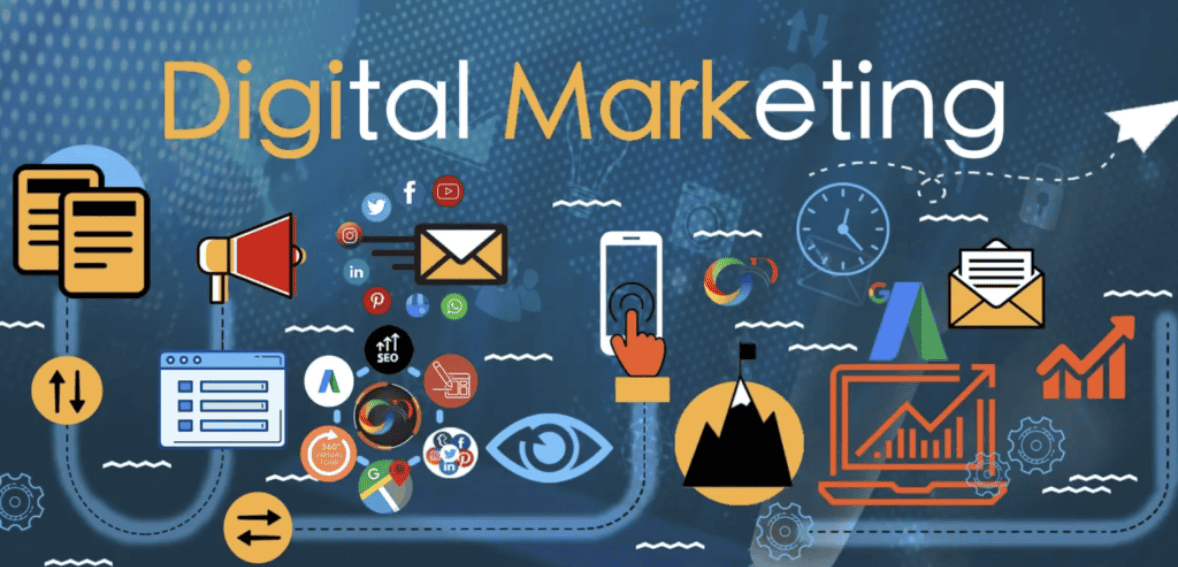
Digital Marketing 101 for Small Nonprofits: SEO, Email & Social Media
Nonprofit marketing is now essential for small organizations seeking to build support, raise funds, and maintain a digital presence in today’s competitive online landscape. While word of mouth and traditional outreach methods remain common, people increasingly look to the internet for information about causes they want to support. If your organization does not appear in search results or has an unclear mission online, you miss key opportunities to connect with supporters ready to help. Nonprofit marketing ensures your organization is visible and trusted, which is crucial for sustaining and growing your mission in the digital age.
This guide presents digital marketing steps for nonprofits in simple, practical terms. Designed for small teams with tight budgets and no marketing staff, it offers ways to improve your website, increase your search visibility, communicate effectively by email, and nurture supportive relationships on social media. By using these tools, your mission will reach more people, resulting in greater impact. The main benefit is that this approach makes nonprofit marketing achievable, even for limited-resource organizations.
Also Read: Community Partnerships: Collaborating with Local Businesses and Groups
Optimizing Your Website for Search (SEO)
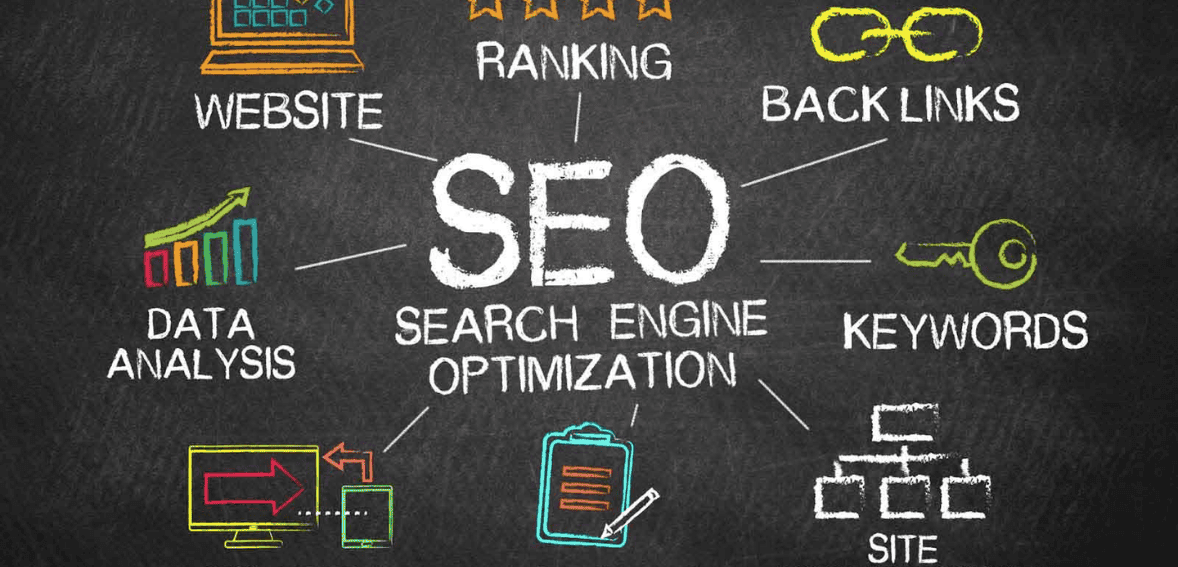
People search through search engines to get answers, find services, and discover social causes they care about. At the same time, when a person types a query regarding a nonprofit that belongs to your category, the search engines perform a scan of the websites, and based on that, they determine which results are the most relevant ones.
This entire sequence of events is what we call search engine optimization, or SEO. For the marketing of the nonprofit sector, SEO is a significant factor because it gives the opportunity for the supporters to find out about your organization without any paid advertising being involved. Strong nonprofit marketing depends heavily on how easily supporters can find you through search, especially through nonprofit SEO.
On the one hand, search engines will analyze multiple signals, and on the other hand, the small nonprofit organizations could base their strategies on the fundamentals, which are going to give the best results. First of all, take care of the titles and descriptions of the pages. It is important for every page of your site to be succinctly described in terms of its content.
For instance, use the name of your cause, the name of your city, or the area you serve in the titles of the pages. This is a way of making it easy for the local supporters to find you. The little adjustments made in this way facilitate the nonprofit SEO and assist the search engines in comprehending your mission. These steps strengthen nonprofit marketing at the local level.
Moreover, the freshness of content is another crucial aspect. Engaging the website in daily activities by posting stories, news, or program updates is one way to show the search engines that your organization is not dormant. Sharing these success stories, providing updates about the impact of your organization, or inviting the community to your events will not only be great trust-building activities with the visitors but will also result in improving visibility. It can be stated that the creation of clear and helpful content is the practice that supports both donors and search rankings. Content updates are a core part of nonprofit marketing success.
The performance of the website is another factor that counts. If the website is heavy on graphics or does not have a user-friendly interface, it is likely to repel visitors. The website should be kept running at a high speed with the right mobile version working perfectly, and also a good navigation system in place for desktop users. A good chunk of the supporters would be coming to the website from their smartphones; thus, the mobile-friendly design is one of the must-have features for a digital marketing strategy of nonprofits in today’s world. Mobile optimization directly supports effective nonprofit marketing.
Leveraging Google Tools for Greater Visibility

Nonprofits using Google tools have the advantage of getting maximum visibility through free tools, which are very effective in the marketing area of nonprofits, especially those with limited budgets. The appearance in search results, analysis of visitor behavior, and realization of the mission through no-cost methods are all the benefits that come with these tools. These tools make nonprofit marketing more accessible for small teams.
With the Google Business Profile, local visibility can easily be improved, and this is one of the main tools provided by Google. Your nonprofit organization can get local search results and visibility on Google Maps by claiming the profile and keeping it up to date. Make sure to include the correct contact information and give a comprehensive description of the service along with well-taken pictures to make community members confident and recognize your organization. This visibility strengthens local nonprofit marketing efforts.
Google Analytics is a powerful tool that allows you to see how your website visitors are accessing and using the site. You will be able to monitor the number of visitors to your website, see the pages that they visit, and learn about the ways they discover your site. The data can point out the parts of your content that are appealing to the audience as well as those that need some work. Eventually, these data will point out the right marketing strategy and channels for nonprofits over time. Tracking data helps refine nonprofit marketing decisions.
Google Ad Grants provide an opportunity for the qualifying charities to get free advertising credit for their search ads. The ads that are placed are shown only to those who search for those specific keywords. The process of setting up and managing can be a burden, but the outcome will be a big jump in awareness and donations. For a small charity, this will be online fundraising that is possible without an increase in expenses. When managed well, this becomes a powerful nonprofit marketing tool.
Building an Email List and Newsletter Strategy
Nothing beats email when it comes to nonprofit marketing. With this, you can send direct messages to your supporters and foster relationships for a long time. Email is a list that your organization owns and is not susceptible to the ups and downs of social media algorithm changes. Email remains a cornerstone of email marketing for nonprofits.
Building an email list should be a matter of ethics and transparency all the way through. Thus, the website should prominently display sign-up forms, email collection should be a part of the organization’s events, and the presenter of any printed materials or community announcements should be inviting the audience to subscribe. Let the users know how you will utilize their data, and assure them that privacy will be respected at every moment. Trust is essential for sustainable nonprofit marketing.
Groups like donors, volunteers, or community members can be formed by organizing contacts into simple categories once you have a list. Sending messages that are relevant and feel personal is the main advantage of this method. The nonprofits that practice email marketing effectively have the traits of being lucid, consistent, and trustworthy. Segmentation improves nonprofit marketing outcomes.
There are certain elements that a strong nonprofit email should have: a concise subject line, a short story or update, and a focused message. Share progress, highlight impact, and explain how supporters can stay involved. Use warm human language while keeping it professional. Regular newsletters help the supporters to feel connected to the mission of the organization and thus, facilitate continued engagement. Consistent communication strengthens nonprofit marketing relationships.
Social Media Engagement Strategies
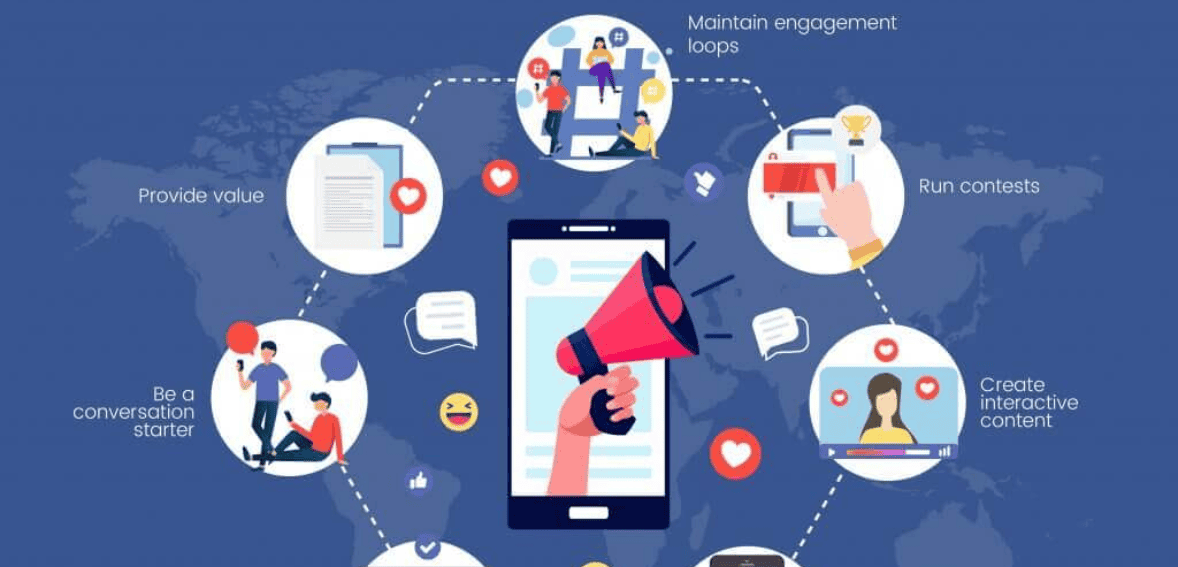
The non-profit relevance of social media platforms has been to storytelling, impact celebration, and community building. Social media for the nonprofit sector is solely based on relationships and not primarily on promotions. The objective is to be always seen and to be always heard as a relatable and mission-driven organization. Social platforms extend the reach of social media for nonprofits.
Select the platform from your audience’s point of view. Facebook is a good choice for community news and local connections. Instagram is perfect for visual storytelling and for the younger ones. LinkedIn facilitates the networking of professionals and collaboration. Preferably, stick to one or two platforms instead of struggling with all of them. Focused platforms make nonprofit marketing more effective.
The content generation should showcase the nonprofit’s mission and the people’s involvement. Post about the impact done, the volunteers at work, the organization’s day-to-day activities, and the coming events. Such posts are a way of bringing your work closer to the people, and they will also attract interactions. Among other things, answering comments and messages is a way of showing that the organization cherishes its supporters. Engagement is a key driver of nonprofit marketing success.
The consistency, not the frequency, is what matters the most. Regular postings create trust and recognition. Even if you post only a few well-thought-out times a week, it can still be a great support for the small non-profits’ marketing efforts by keeping your organization in their thoughts. Consistency strengthens long-term nonprofit marketing visibility.
Measuring and Adjusting Your Digital Marketing Efforts

Nonprofits’ effective digital marketing requires self-reflection and adjustment. You won’t need sophisticated tools to find out what works. Just a few basic metrics can tell you a lot about your supporters and what they like. Measurement helps guide smarter nonprofit marketing choices.
The number of emails opened is a very good indicator of how interesting your subject lines and content are. The interactions on social media—likes, shares, and comments—tell you which stories are the most popular. The patterns of website traffic give an exact location of the pages that capture attention and prompt action. These insights refine nonprofit marketing strategies.
Nonprofits can then continue to monitor these metrics to keep refining their strategies, and the focus will be on what works. This will not only make the marketing of nonprofits stronger but also help them grow steadily in the long run. Continuous improvement supports long-term nonprofit marketing success.
Conclusion
Digital tools can be very helpful for small nonprofit organizations since they provide the possibility to communicate, connect, and grow without incurring a large budget. Through improving their website visibility, making good use of free Google resources, and having strong email communication and social media interaction, they can not only enhance their relationships but also broaden their reach. Nonprofit marketing that is done thoughtfully can help even the tiniest teams to make their mission heard and create a lasting positive effect in their areas. Strong nonprofit marketing allows small organizations to compete and thrive online.
FAQ
What is the biggest digital marketing priority for small nonprofits?
The biggest priority is having a clear, mobile-friendly website with basic SEO. This helps supporters find and trust your organization before you expand into email and social media.
Can digital marketing work without paid advertising?
Yes, strategies like SEO, email, and organic social media rely more on time than money. When used consistently, they are very effective for online fundraising outreach.
When can small nonprofits expect to see SEO results?
SEO takes time and patience. Small improvements may show results in a few months, especially for local searches, with steady growth over time.
Should small nonprofits use social media every day?
Daily posting is not required. Posting a few times a week with meaningful, consistent content is enough for most small nonprofits.
Is email still effective for nonprofit communication?
Yes, email remains one of the strongest engagement channels. Supporters value regular updates that are personal, clear, and informative.