

Donation Receipts and Quid Pro Quo Disclosures: Compliance-First Templates
Nonprofit organizations must comply with donation receipt requirements to remain compliant with federal tax regulations. Donors who give money or property expect to receive an official receipt to claim their tax deductions. Nonprofit organizations must comply with IRS donation receipt rules by creating acknowledgment documents that meet federal requirements. Many organizations view receipts as nothing more than thank-you notes, but they are legal documents that protect both donors and nonprofits. Clear, compliant donation receipts are essential for nonprofits seeking to maintain transparency, protect donor trust, and meet federal tax documentation requirements.
When a nonprofit organization fails to meet its tax receipt obligations, it prevents donors from receiving their tax deduction benefits. This situation will erode donor trust and create compliance issues during audits. A charitable acknowledgment letter must include specific details and be sent out according to schedule.
The nonprofit organization must implement standardized donation receipt templates that include detailed product and service descriptions, and use automated receipt systems to monitor all receipts within its CRM. Understanding donation receipt requirements helps organizations maintain compliance while improving the donor experience.
Why Donation Receipt Requirements Are a Compliance Issue, Not Just a Courtesy
The requirements for donation receipts create a compliance problem because they extend beyond mere donor appreciation. The requirements for donation receipts are legal obligations that organizations must follow under IRS regulations. The IRS requires donors to provide proof of their charitable contributions when they claim deductions.
Nonprofits are required to issue a written acknowledgment for contributions of $250 or more. This means the donor must receive the receipt before filing their tax return. This document serves as confirmation of the donation and details the goods and services the donor received in return. Donors require this acknowledgment to claim their deduction, even though they have already donated.
A charitable acknowledgment letter, properly structured, provides protection for both parties. The letter demonstrates that the nonprofit organization properly documented the gift and provides the donor with essential documents for tax purposes. Organizations need to treat receipts as part of their financial compliance requirements rather than as ordinary communication documents.
Modern nonprofit organizations address receipt challenges by using receipt automation tools integrated with their donor management systems. The system provides organizations with instant, compliant receipt generation after each donation entry, while maintaining their ability to meet tax receipt standards.
The IRS Rules Map: Thresholds and What Changes at Each Level
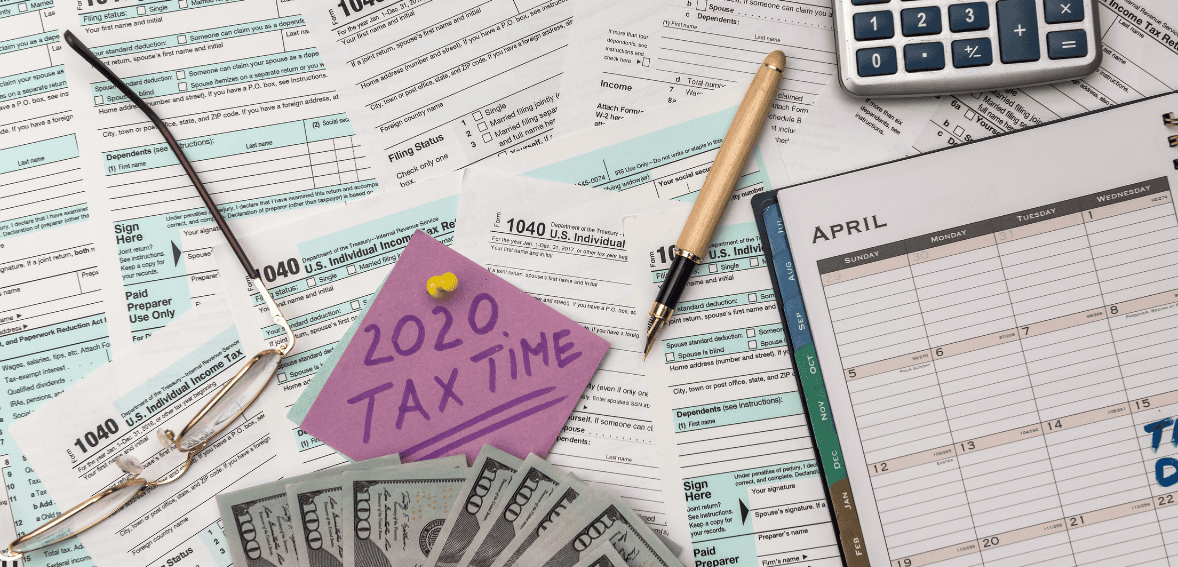
Nonprofits gain a better understanding of donation receipt rules through the IRS-established donation thresholds. Different donation levels require different types of documentation.
Donations Under $250
Donors supporting their deduction for contributions under $250 use bank records, credit card statements, or personal records. Nonprofits send charitable acknowledgment letters to donors even when not legally required, to build strong relationships.
The standardized donation receipt template enables organizations to maintain organized records and create documentation for all donations received.
Donations of $250 or More
The IRS requires nonprofit organizations to provide contemporaneous written acknowledgment for any contribution that reaches or exceeds $250. The receipt must show the donation amount and include a description of the goods and services, explaining whether the donor received any benefits.
The donor loses the right to claim a deduction for their donation when the nonprofit organization fails to deliver acknowledgment of their contribution. The IRS donation receipt requirements must be met because they provide vital guidelines for organizations.
Quid Pro Quo Contributions Above $75
Donors who receive goods or services in exchange for their payment need to submit a quid pro quo contribution disclosure. The nonprofit must disclose the estimated value of the goods or services provided when the payment amount exceeds $75.
All federal tax receipt requirements for fundraising events include these disclosure rules as essential components.
Required Receipt Elements for Different Types of Donations
Donation receipt requirements differ between cash donations and property donations. Every receipt must provide unambiguous details that enable the donor to verify their contribution.
Cash Donation Receipts
The nonprofit donation receipt template must include three specific pieces of information: the organization name, the donation date, and the total donation amount. The receipt must also include a goods and services statement explaining whether anything was provided in exchange for the donation.
The receipt must show that the donor received neither goods nor services when the donor received nothing in return. This statement is essential for meeting IRS donation receipt requirements.
Property Donation Receipts
The receipt must describe the donated property for all noncash donations. The charitable acknowledgment letter must include both the donated items and their corresponding donation dates.
The nonprofit organization must not calculate the monetary worth of donated items. It is the donor’s responsibility to estimate the value of the donated property. The organization maintains its compliance with federal tax receipt rules by following this guideline.

Quid Pro Quo Contribution Disclosure: When Nonprofits Must Provide It
The organization needs to disclose its quid pro quo contributions because the organization received funds from a donor who obtained goods and services from the nonprofit. The situation occurs when nonprofit organizations conduct fundraising activities that feature charity auctions and dinner events, which require ticket sales.
A donor may purchase a $200 ticket to a nonprofit gala dinner. Only $140 qualifies as a charitable contribution after deducting the $60 value of the dinner. The nonprofit organization must disclose this information in its charitable acknowledgment letter.
The disclosure enables donors to comprehend what portion of their donation can be deducted while the nonprofit organization maintains compliance with IRS standards for donation receipt documentation.
The donation receipt template becomes more effective with this information, helping maintain accurate and consistent records throughout the process.
Example Donation Receipt Template Language Nonprofits Can Use
The receipt standardization process helps organizations create uniform receipt language to meet donation receipt standards. The following examples show simple wording that organizations can adapt.
Cash Gift Acknowledgment
- Thank you for your generous contribution to [Organization Name].
- We received your donation of $[Amount] on [Date].
- No goods or services were provided in exchange for this contribution.
Noncash Gift Acknowledgment
The organization thanks you for your support of [Organization Name]. The charitable acknowledgment letter confirms receipt of the following donated property on [Date]: [Description of item].
The organization received the donation without providing any goods or services to the donor.
Quid Pro Quo Contribution Receipt
Thank you for supporting [Organization Name]. This confirms that your payment of $[Amount] was received on [Date]. Your payment was for goods or services with an approximate value of $[Value]. This statement serves as the required quid pro quo contribution disclosure.
Using standardized language helps nonprofits meet donor expectations and comply with tax receipt requirements.
Timing Rules: What Contemporaneous Written Acknowledgment Means
The phrase “contemporaneous written acknowledgment” is a key part of donation receipt requirements. The donor must obtain acknowledgment before submitting their tax return for the year of the donation.
The donor must receive the receipt before submitting their 2025 tax return in 2026, since the donation was made in December 2025. The deduction may be denied if the receipt arrives after the tax filing.
Many nonprofits use receipt automation tools to create instant receipts, eliminating delays in donation recording. This method provides all donors with fast documentation while ensuring the organization meets IRS requirements for donation receipts.
Building an Audit Trail in Your Nonprofit CRM

Issuing receipts requires procedures beyond sending notification emails to recipients. Nonprofits must maintain complete records of all receipts issued to clients.
A donor management system must record receipt numbers and delivery dates, along with all changes made after receipts are issued. The data becomes crucial during financial audits and compliance assessments because it holds essential information.
The receipt automation system within nonprofit CRM software enables organizations to maintain accurate documentation while meeting their tax receipt obligations. The system enables staff to find receipts that donors need for their requests or to make changes.
Common Receipting Mistakes Nonprofits Should Avoid
Nonprofits make errors during donation receipt processing, which they need to stop. These errors create compliance issues and make it difficult for donors to provide support.
One common error is forgetting to include a goods and services statement in the charitable acknowledgment letter. The receipt will not fulfill IRS requirements for donation receipts without this statement.
Another mistake is assigning a monetary value to donated property. The nonprofit should only describe the item in the receipt and allow the donor to determine the value for tax purposes.
Organizations face challenges with late receipts, which create difficulties. Donors experience issues with tax documentation when acknowledgment letters arrive late. Organizations can prevent these mistakes by using a standard donation receipt format and nonprofit-specific receipt automation tools.
Conclusion
Nonprofit organizations achieve their financial compliance requirements through the implementation of proper donation receipt procedures. Donors can claim tax deductions only when they possess receipts that meet Internal Revenue Service standards, contain precise details, and are received within the designated period.
Nonprofits achieve federal tax compliance through the use of standardized templates which contain essential disclosures, and through their implementation of donor management systems to monitor receipt activities. An organized receipting system enables organizations to prepare for audits while establishing financial transparency, which helps them build trust with their supporters.
FAQs
When is a written acknowledgment required?
A written acknowledgment is necessary when a donor gives $250 or more to a nonprofit organization.
What is a quid pro quo contribution?
The payment consists of two parts: a donation portion and a payment portion used to acquire goods and services from the nonprofit.
When is quid pro quo disclosure required?
A quid pro quo contribution disclosure is needed when a donor gives more than $75 and receives something in return.
Can nonprofits email donation receipts?
The organization can accept electronic receipts as valid when they include all necessary information, and donors can keep them for their records.
Should nonprofits include a dollar value for donated items?
The nonprofit organization needs to explain what it has received in donations, but should not determine their value.