

Nonprofit Storytelling Through Data: Using Numbers to Inspire Donors
Nonprofit impact data tells the story of how nonprofits help people through numbers. They are a quick way for someone to learn about how great a nonprofit is.
Many nonprofit organizations assist thousands of people each day. They provide food, shelter, education, care, and help. Nonprofits also collect numbers along the way (e.g., number of people served, number of meals provided, and number of children educated). However, those important statistics often stay buried in files, spreadsheets, or reports.
When the numbers are not available for you to see, you will not know the impact of that nonprofit; however, when a nonprofit shares its impact data in a clear, simple manner, that is when a donor can see how an organization is making a difference, inspiring trust from donors, and developing pride and enthusiasm for supporting that nonprofit.
Most nonprofit organizations collect good impact data. However, they often do not have a system for sharing the data effectively. For example, oftentimes organizations write about their impact data in formal prose with heavy, complex words or produce lengthy, technical reports. Therefore, those same organizations ultimately confuse donors. That is where storytelling with numbers comes in.
Storytelling with data means using numbers to tell a story and, thus, provide meaning to those numbers. When numbers are shared with words that are easily understood, donors will better understand how their contributions support the organization’s mission.
How to Choose the Right Numbers to Support Your Mission
Some numbers do not show the entire story; some only show the specific activity that has taken place, while others can show the measurable change that has taken place through that activity.
For example, if the organization is tracking how much money was raised, that is beneficial; however, potential donors want to know how that funding contributed to a measurable outcome, both who was served through the funds raised and what the outcome was for each of those individuals, such as how their lives were improved through receiving the services funded by donor contributions.
Important nonprofit metrics should demonstrate the results that the nonprofit produced by the activities that were conducted and align with the nonprofit’s mission.
Here are examples of nonprofit metrics that are aligned with a nonprofit’s mission:
- Number of families that slept safely in the shelter
- The number of families that have enough food to eat through the pantry
- The number of children who improved their grades in the tutoring program
- The number of patients who are healthier due to the services provided by the health nonprofit
- The Number of families receiving support through the church-related services
These numbers are easy to understand and demonstrate the real impact of the organization.
If too many numbers are used, it can confuse the reader; therefore, it is usually better to concentrate on a few key metrics that have a strong relationship to the overall nonprofit mission. Using and presenting these simplified measures will also help the nonprofit clearly present its data on impacts and accurately show how the organization has achieved its mission by helping people in need due to the services provided by the nonprofit organization.
Collecting Nonprofit Impact Data Made Simple

Most nonprofits tend to believe that collecting data for their organizations is complicated and/or expensive; however, this is simply not the case. Nonprofits do not need elaborate or special tools or personnel in order to collect the data necessary for their organization. A simple data collection system and good data habits will do the trick! The most important aspect of data collection will be collecting it consistently, therefore creating a reliable resource of data to tell your story with.
Some of the easiest ways to collect data for your organization include the following:
- Tallying how many people were served
- Tracking how many programs were completed
- Conducting simple pre/post-program surveys
- Obtaining client feedback through basic methods of form completion
- Documenting important results from activities
There are many free data collection tools available, such as Google Forms and spreadsheets, that will work well for your organization. The most important component of using a successful data tool is being consistent in how you collect it. As nonprofits grow and begin to utilize tools, such as a CloudDonorManager, to manage both donor communication and nonprofit metrics all in one place, basic data collection methods will serve as important components of your organization’s data storytelling effort if you utilize your data collection tools consistently.
Quick and Clear Data Visualization for Understanding Nonprofits’ Impact
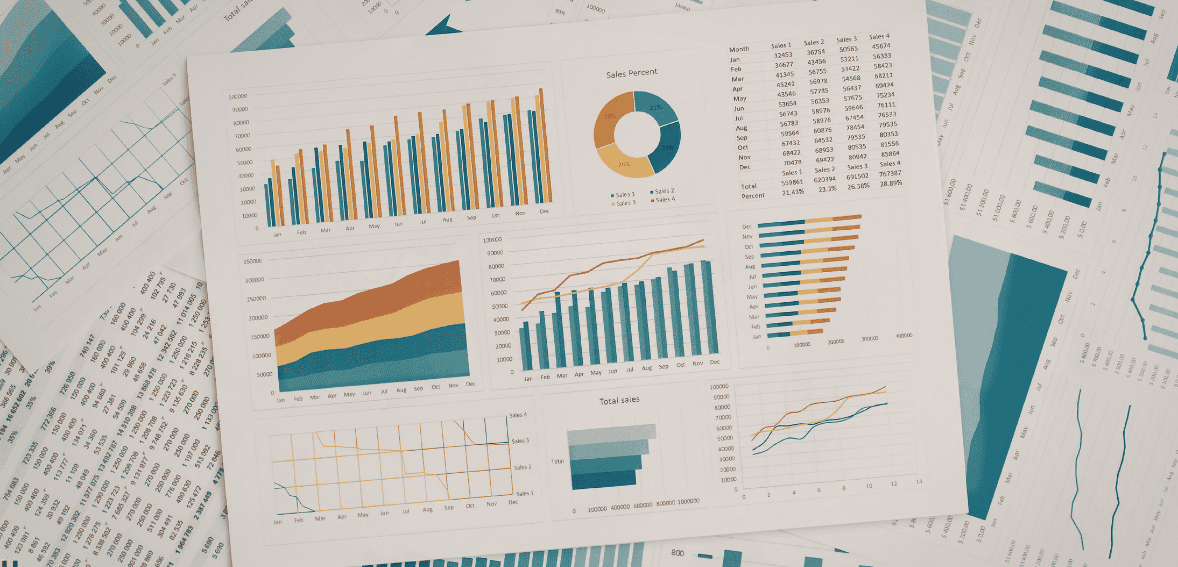
Numbers can be difficult to read, and many people choose not to look at the long list; therefore, data visualization provides an easier way for donors to quickly see what impact nonprofits are having on the community they’re trying to help.
Data visualization is when you present numerical information in a graphical format so donors can quickly process and understand nonprofit impact data.
As an example, an image can convey more information and provide more understanding than a long, written-out paragraph would provide. Data visualization provides a way for donors to see the growth, development, and success of their giving.
There are numerous free or low-cost tools that all nonprofits can use to create data visualizations:
- Canva for simple graphic creation.
- Excel or Google Sheets for creating charts.
- Infogram for easy-to-create data visualizations.
An effective way to create clear and simple data visualizations is by not overwhelming the donor with multiple colors and words; creating a clear message is the ultimate goal of using data visualization.
Good examples of data visualization that value the donor’s understanding include:
- A bar graph demonstrating growth over periods of time.
- A pie graph indicating how donor funds are utilized.
- A graphic showing all of the annual accomplishments a nonprofit achieved.
- A graph showing how close a nonprofit is to achieving its goal.
When donors receive a clear visual representation of data depicting the impact of their support, they are able to quickly and easily understand the information and are able to remember the information better. Clear data visualization will improve donor communication with nonprofits.
Real Numbers in Human Stories:
Numbers matter, but when you combine numbers with real-life human stories, people can relate.
Impact data from a nonprofit is made even stronger when the data is presented along with real stories of people’s lives being changed by that nonprofit. The quantitative numbers only show how many people were helped, whereas the real stories show how those people had their lives changed for the better.
One of the easiest ways to use storytelling to describe the meaning of your quantitative numbers is to create an outline with the following three items:
- Share a single real-life story.
- Share a single, simple number.
- Explain the importance to the person receiving the message.
For example, a tutoring non-profit could share a real-life story about one child who was able to read better as a result of participating in the program and then provide the total number of children who improved because they participated in the tutoring program. This gives a more personal feeling for the person receiving the message from the nonprofit.
It is important to ensure that all stories told are true and that the names of the people being discussed in the stories are only being used with the permission of those individuals. Providing honest stories fosters confidence and provides the non-profit with an opportunity to demonstrate to the public its impact on the community.
Frequently Communicating Nonprofit Impact to Donors
Nonprofits shouldn’t just share nonprofit impact information once, at an annual meeting. Regular updates appeal to most donors.
There are many ways to communicate impact data, including, but not limited to:
- Annual impact reports
- Email newsletters
- Social media posts
- Fundraising pages
- Thank you messages to donors
Donors require different levels of information. Most prefer short updates and easy-to-read statistics. Foundations typically look for a bit more detail.
Clearly communicating with donors helps them understand how their donation makes a difference. If donors feel they’re receiving good communication, they’re much more likely to donate again in the future.
A Trusting Relationship Exists Between Nonprofits and Donors

When nonprofits can simply tell their story. Donors can visualize what their donation will be used for and what results can be expected, and can measure the nonprofit’s performance with data based on those expected results.
Having access to impact data of the nonprofit demonstrates integrity and transparency, as it illustrates the commitment of the nonprofit to measure its success through actions accomplished, not just the activity of performing those actions.
By using simple data storytelling, donors will become engaged and feel like part of the mission by working with the nonprofit on shared goals.
Donors will continue to support nonprofits they are able to trust, as well as share the cause of those nonprofits with others.
Conclusion
Nonprofit impact data is more than numbers; it tells a story. When a nonprofit selects the right data points, collects impact data regularly, displays impact through simple visuals, and shares real stories, it can communicate impact and create trust and donor relationships.
Data storytelling does not require large budgets or complicated tools. It requires clarity of thought, honesty, and simple language. When donors see how their support impacts people’s lives, they feel proud, happy, and motivated to provide additional support.
FAQ
If there’s a limited amount of nonprofit impact data, will it be useful?
Even small numbers can make a difference in someone’s life.
Is there a special employee required to collect non-profit impact data?
No. Using basic Excel spreadsheets and forms allows for effective collection of nonprofit impact data.
Can nonprofit impact data be beneficial for fundraising efforts?
Yes. Accurate and trustworthy data support fundraising and build credibility.
What steps do nonprofits take to protect individuals?
Nonprofit organizations use group data and do not include names; permission is required before publishing stories.
When should a non-profit share its impact data?
Nonprofit organizations should make an effort to add new information to their website every 2-3 months.