

How to Ask Donors for Feedback Without Getting Ignored
People in the nonprofit sector spend a lot of time on storytelling through fundraising appeals and impact reports. But one of the most powerful ways nonprofits can enhance their mission may be underutilized: they have the opportunity to listen to donors.
Donors are often drawn to nonprofits and are superb at soliciting contributions, yet many nonprofits struggle to provide adequate means for their donors to share their opinions. When nonprofits do, the rates of donor survey response can be quite low, and nonprofits may wonder why their efforts to listen are not resonating with contributors.
Donors are not averse to making their opinions known. Many donors are deeply invested in their causes and want nonprofits like yours to prosper. The key is that what you ask and how you ask will impact whether donors respond or not to your requests for feedback.
If you ask in a nonpersonal, noncommittal, or onerous way, you only get a few blanks. But if you learn to practice generous nonprofit listening, with the donor voice as your priority, you will begin to hear feedback. This article explains how to ask nonprofits for feedback without being ignored.
The Importance of Donor Voice in Nonprofit Growth

All about donor feedback: It’s more than just asking people what they think; it’s recognizing donors as partners in the mission. When donors understand that their opinions are valued, they are more likely to remain engaged, give more, and become advocates for the organization. Thus, it’s become one of the most critical elements of modern nonprofit relationship building.
Donor voice information tells you things that financial information cannot. It tells you what motivates people to engage with your organization, how they would like to be engaged, and how they have experienced the organization to date.
The information can be used to shape communication strategies, help improve programs, and ultimately make your organization more effective. Even more importantly, it can help you understand what your donors want and who they are.
Understanding Why Donors Ignore Feedback Requests
But before you can increase response rates, you need to understand why donors ignore the requests to provide feedback in the first place. Sometimes the request is not relevant. If you send the same reminder to everyone, regardless of their personal experience with your organization, then the donor doesn’t understand why they should even respond to it. This is especially true in a world where inboxes are overflowing with other emails trying to capture the attention of the donor.
Time is another factor. Donors are human beings, too. They have their own lives. A long survey is a hassle. Even if the donors mean well, they will not respond if they feel like they are being asked to go the extra mile to provide feedback.
Trust is another factor. If the donors don’t know what you intend to do with the feedback or don’t think it will make a difference, they will be reluctant to share it. This reluctance may be, in part, the result of previous experiences that the donor had when they gave feedback, and it was ignored.
Building a Strong Supporter Feedback Strategy
A good feedback strategy begins with a clear concept of what the organization needs to know and why. What they want to know will guide the questions they ask and help ensure they are actually receiving useful, actionable information.
Other factors to consider are timing. A request for feedback should be attached to a specific moment in the donor journey—after a donation or a volunteer event, an email campaign, or any other prompt that can spur donors to reflect on their experience.
Personalization is critical—especially when you address donors by name and point out the specific ways they have engaged with the organization—to demonstrate that the request is not generic.
Keep it simple—a brief feedback request demonstrates respect for a donor’s time and will help it get responses. This doesn’t mean simplifying the questions, but rather ensuring they are clear and to the point.
Improving Response Rates for Donor Surveys
To raise response rates for donor surveys, you need a combination of skills and empathy. One effective strategy is to make the purpose of the feedback request clear to the donors. When they understand how their feedback will be used and why it matters, they are more likely to respond.
Another strategy is to focus on the impact of the donor’s feedback. When donors realize their opinions can lead to real improvements, they feel more engaged and more likely to respond. In this way, feedback is not just a passive activity but an active contribution.
Making surveys easy to complete is also important. Make them easy to find, mobile-friendly, and quick to complete. Even small friction points such as confusing navigation or unclear instructions can reduce response rates.
Building Donor Trust Through Listening
Donor listening and trust are closely linked: donors are more likely to trust an organization when they feel that the organization takes their views seriously and is open about how feedback will be used. This means being transparent, honest, and consistent in all feedback processes.
If you are going to gather feedback, it is important to communicate how the feedback will be used. Will it inform new programs? Better communication? Strategic decisions? It is important to be clear about what the purpose of the feedback will be—this helps to energize donors and reduces uncertainty.
Equally important is ensuring that donors feel safe in their responses. They need to know that their responses are treated responsibly, and where relevant, kept confidential. This is particularly important if you are seeking critical feedback and are trying to build a culture of open communication..
Closing the Feedback Loop in Nonprofits
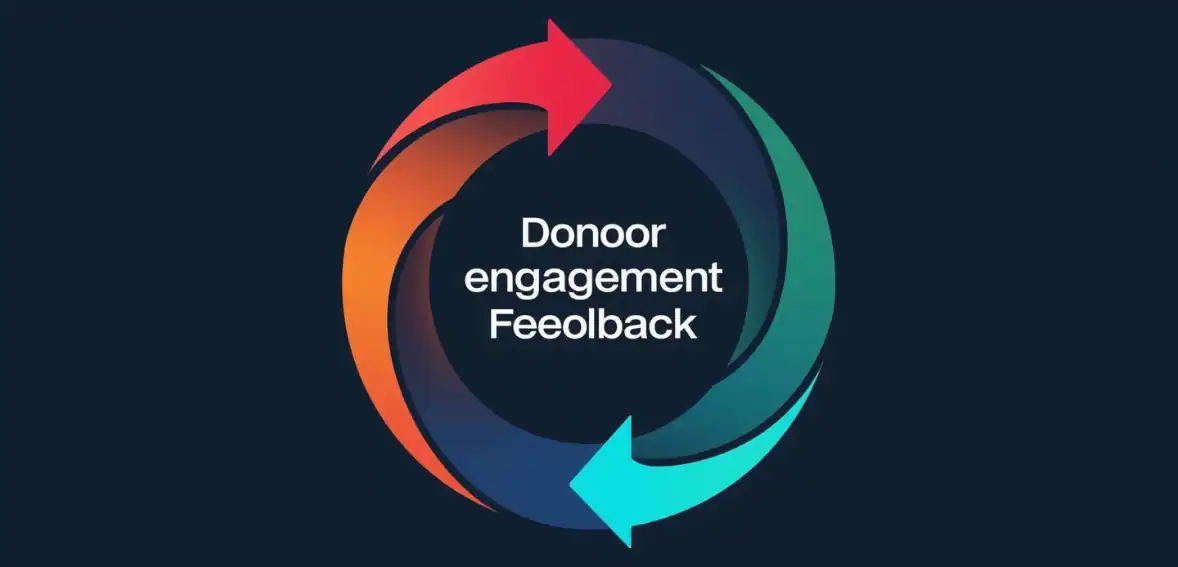
Closing the loop is one of the most important but also one of the most neglected aspects of a successful feedback strategy. This is the step where you close the loop and respond to donors, letting them know what you learned and how you used the feedback.
If donors never hear back from you, they may start to believe that they are not being listened to. This is a major disincentive for donors to respond in the future and can lead to a downward spiral of declining response rates. The good news is that you do not have to spend a lot of time and resources responding; simply a short summary of what the main findings were and where they have led can have a huge impact.
As an example, if one of your key findings was that donors were not aware of certain initiatives and that their feedback led to improved communication, this would show donors that you value their input and respond to their needs and concerns.
Integrating Feedback Into Nonprofit Relationship Building
Feedback exists within the nonprofit relationship building. It should be woven into the way we work with donors.
Working with donors to find out what they want to do, and then putting that into practice, shows donors that the organization cares about them as individuals.
We recognize that donor relationships are a two-way street and that building relationships takes time.
Feedback is a continual process, so nonprofits need to keep seeking it out and responding to it.
Conclusion: Turning Feedback Into Lasting Impact
Getting donors to give feedback — without being ignored — isn’t about finding the right question to ask or the right message to send. It’s about building a culture of listening—one that puts the donor voice at the fore and values the input of every single person, no matter how small.
In this article, we’ll try to answer three questions. First, why do donors ignore us when we seek their feedback? Second, what is a good supporter feedback strategy? Third, what are some key nonprofit listening practices? If we get right on these three points, we can win donors over and build a culture of listening.
Closing the loop ensures that donors know their voices are heard and valued, so they continue to engage in the cycle of giving. This is the power of listening.
Close the loop so that donors will know the impact of their voice. That will create a cycle of engagement where donors feel heard, engaged, and inspired to continue supporting the mission.
In a competitive and dynamic environment, the nonprofits that listen will differentiate themselves not only by collecting the right data but also by building a community of engaged supporters. Donor feedback should be about more than just process improvement; it should be about building relationships that yield results.
Frequently Asked Questions (FAQs)
- Why do donors often ignore feedback requests?
Donors may ignore feedback requests for several reasons. Long or unclear messages, generic language, or requests that feel impersonal often get overlooked. Many donors are busy and need to understand quickly why their input matters. If they don’t see how their feedback will make a tangible difference, they may skip it. Overloading them with too many questions or sending requests at inconvenient times also reduces responses. To prevent being ignored, messages should be concise, personal, and clearly explain how their feedback helps the organization improve its programs, events, or donor experience. - How should I ask donors for feedback effectively?
Effective feedback requests are clear, concise, and personalized. Start by addressing the donor by name and acknowledging their contribution. Explain why you’re seeking feedback and how their input will be used to improve your programs, events, or communications. Limit your request to 1–3 specific questions to avoid overwhelming them. Use friendly, conversational language rather than formal or technical phrasing. If possible, provide multiple ways to give feedback—through email, a quick survey, or a phone call—so the donor can choose the easiest option. Clarity and respect for their time are key. - When is the best time to ask for donor feedback?
Timing greatly impacts whether donors respond. The best moment is soon after they engage with your organization, such as right after making a donation, attending an event, or participating in a campaign. Their experience will be fresh, making their feedback more accurate and actionable. Avoid contacting donors during holidays or busy seasons when they are likely distracted. Sending a follow-up reminder a few days later can help increase responses without being pushy. Prompt, considerate timing shows that you value their opinion and ensures their feedback is relevant and meaningful. - What formats work best for collecting donor feedback?
Short, easy-to-complete formats work best for donor feedback. Quick online surveys with 3–5 targeted questions are effective because they respect donors’ time. Email requests with embedded feedback options, like rating scales or multiple-choice questions, encourage higher response rates. Personalized phone calls or brief interviews may work well for major donors or key supporters. Avoid long surveys or forms that take more than a few minutes. Visual cues, progress bars, and mobile-friendly designs improve engagement. The easier and faster it is for donors to respond, the more likely they are to share honest and useful feedback. - How can I increase donor response rates to feedback requests?
To boost responses, start by showing genuine appreciation for the donor’s support. Explain how their feedback will make a real impact on programs, services, or future initiatives. Keep the request concise and easy to complete, and consider incentives like recognition or small tokens of thanks. Follow up once, gently reminding donors to share their thoughts. Transparency is important—share results or improvements made based on donor input. Personalization, clarity, and a focus on the donor’s value create trust and motivate them to participate, increasing both response rates and the quality of feedback collected.