

Board Member Peer-to-Peer Fundraising Activation and Training
The nonprofit organizations depend on their board members mainly for credibility, connections, and strategic guidance. Nonetheless, a lot of nonprofits have a hard time converting board members into active fundraisers. The reality is that without proper activation and training, even the most enthusiastic board members can be nothing more than passive supporters, especially when they are not familiar with peer-to-peer fundraising and how it truly works. A strong donor database and wise software choice — explained in our nonprofit software comparison guide — helps nonprofits stay organized and get the most out of fundraising efforts.
A good engagement with the board does not only mean that the members are asked to write checks or be present at the meetings. It means that the members are engaged in a way that they are provided with the knowledge, confidence, and tools to actively raise funds. The article discusses how board member peer-to-peer fundraising can be effectively activated. By offering structured training, setting up explicit expectations, and supplying continuous support, the nonprofit organizations can turn their boards into mighty fundraising machines that not only generate but also engage, train, and contribute to lasting growth through strategic peer-to-peer fundraising practices.
The Importance of Peer-to-Peer Fundraising for Nonprofit Board Members

The strength of campaigns led by the board
The involvement of board members in peer-to-peer fundraising results in obtaining more than double the effects of the act, since the donors are very much inclined to react positively to the personal contact made in the fundraising.
Among the advantages that are foremost are:
Extended Reach: Board members reach out to networks that are not part of your organization, hence bringing in new donors through peer-to-peer fundraising efforts.
Credibility Boost: Trustworthy board members will cause the donors to respond positively to the outreach.
Sustainable Engagement: It is believed that the board members who are involved in fundraising activities will become more interactive with the goals and the operations of the organization.
When board members know the way to use peer-to-peer fundraising for the purpose of deeper donor engagement, they contribute to a giving culture that not only lasts but also, through their personal and professional connections, becomes stronger and pervasive.
Barriers to Board’s Engagement
Engagement of the Board is often viewed as an additional step in the fundraising process. Despite all the good a board could bring, they are still very often reluctant to participate in peer-to-peer fundraising due to:
- They lack confidence in their ability to ask for donations.
- The organization does not give very clear indications of what it expects from them.
- They receive very limited training on fundraising through the internet.
- Either they lack the time, or they simply have more critical jobs to complete.
- They are afraid of getting rejected, or they are afraid of being drawn into a difficult but uncomfortable situation.
A proper activation plan that includes peer-to-peer fundraising coaching helps eliminate these concerns.
Steps to Activate Board Members in Fundraising

Set Clear Expectations
It is very important to set up the communication well before asking board members to fundraise through a very clear outline of their roles in peer-to-peer fundraising.
The outline would contain:
- The minimum amount to be donated or the number of people enrolled in the event
- Timeframe for the campaigns
- Particular activities, i.e., hosting events, sending emails, posting on social media
- Mechanisms for reporting and tracking at regular intervals
A written agreement increases responsibility and also encourages more active peer-to-peer fundraising involvement.
Provide Board Member Fundraising Training
In-house training for board members is a must. Training should include:
- Telling the nonprofit’s story
- Asking for donations effectively
- Using personal networks
- P2P fundraising through digital platforms
- Dealing with donor objections
The confidence level of board members is raised, and the quality of their donor inspiration gets better when they are trained in peer-to-peer fundraising.
Some more developed tactics are:
- Donor dialogue practice
- Shadowing experienced fundraisers
- Online micro-trainings
Training strengthens the organization’s message and builds a stronger peer-to-peer fundraising culture.
Share Fundraising Activation Tips
Motivation and Guideline Help Encourage Peer-to-Peer Solicitations
Effective tips:
- Decide on program accomplishments
- Pass the small stones
- Use storytelling
- Use simple tracking tools
- Promote friendly competition
Clear direction boosts confidence and makes peer-to-peer fundraising feel manageable.
Foster Friendly Competition
Healthy competition motivates board members in peer-to-peer fundraising campaigns.
Ideas:
- Leaderboards
- Public recognition
- Milestone rewards
- Team challenges
Gamification keeps energy high and encourages continuous peer-to-peer fundraising participation.
Nonprofit Crowdfunding Background
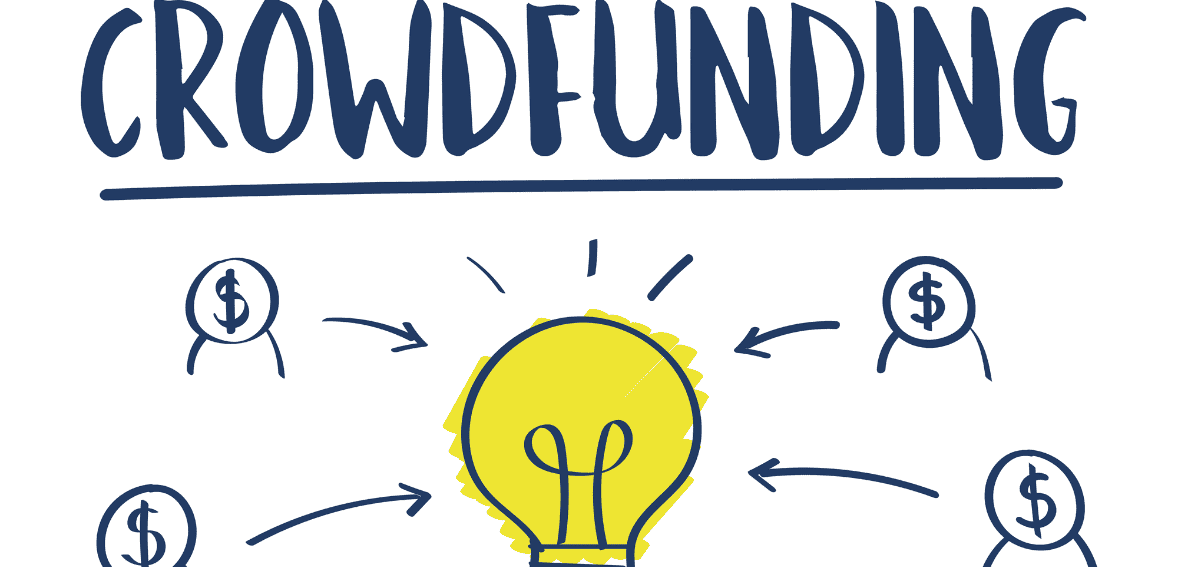
What is Crowdfunding for Nonprofits?
In these campaigns, people—including members of the board—are allowed to set up personal fundraising pages and to promote their pages among their contacts.
Reasons for its success:
- Donors prefer giving to people they know
- Every board member becomes a mini-ambassador
- Social media amplifies the message
Benefits for the Board and the Organization
- Board participation expands
- Connection to the mission grows
- Donor base widens
- Fundraising results improve
- Recurring giving increases
The incorporation of peer-to-peer fundraising by nonprofits leads to the realization of long-term fundraising growth.
Methods for Board Members Fundraising Implementation
Tailor the Method
In peer-to-peer fundraising, personalized communications are the most effective as they enhance the bond of trust and charm more.
Tactics:
- Share impact stories
- Address donors by name
- Match messages to interests
Provide Templates and Resources
Templates simplify peer-to-peer fundraising:
- Email templates
- Social media graphics
- Talking points
- Online campaign guides
- Donor Q&A sheet
These remove hesitation and make board-led peer-to-peer fundraising more accessible.
Recognize and Celebrate Success
Recognition drives performance in peer-to-peer fundraising.
Ways to celebrate:
- Newsletter features
- Social media shoutouts
- Milestone announcements
- Small awards
Encourage Storytelling
Stories fuel successful peer-to-peer fundraising.
Encourage board members to share personal experiences and real impact moments.
Tips:
- Highlight real outcomes
- Use visuals
- Keep it emotional and relatable
Tools to Support Board Member Fundraising
- Online giving platforms
- CRM systems
- Email automation tools
- Training webinars
- Analytics dashboards
Nonprofits also benefit from reliable payment processing solutions that make online giving fast, secure, and donor-friendly. These tools simplify peer-to-peer fundraising and reduce overwhelm.
Common Board Fundraising Obstacles and How to Overcome Them

Time Constraints
Solution: flexible roles and time-saving templates that help with peer-to-peer fundraising tasks.
Hesitation in Asking for Donations
Solution: scripts, coaching, peer stories, and small-ask strategies.
Low Motivation
Solution: connect fundraising to personal interests and show real impact from peer-to-peer fundraising.
Measuring and Enhancing Engagement
Key metrics:
- Number of active board members
- Total raised
- New donors
- Training participation
- Social media reach
Evaluating these shows where peer-to-peer fundraising improvements can be made.
Continuous Advancements
The feedback should be taken by the Nonprofits, strategies modified, and peer-to-peer fundraising training maintained as current.
Case Example: Fundraising by a Board Member who is Successful
A mid-size non-profit has initiated a fundraising campaign. Its target symbolic sum is $100,000. After training the board and providing templates:
- 80% participated
- $120,000 raised
- New donors added
- Stronger mission connection
This shows the power of structured peer-to-peer fundraising activation.
Conclusion
The board members are not just counselors but also the main driving force for the growth of the organization. The training and engagement of the board members in peer-to-peer fundraising can lead to a significant increase in the access of the non-profits to the potential donors, new donor circles, and consequently the amount of money raised. The first step is to strengthen your board members: establish the correct expectations, train them, provide the activation tips, supply them with the resources, and recognize their contributions. With the right approach, your board can become one of the strongest assets in Peer-to-Peer Fundraising and even in the long-term sustainability of the organization.
FAQ
What exactly does peer-to-peer fundraising mean for board members?
It means board members use their personal networks to raise funds and advocate for the cause through peer-to-peer fundraising.
What methods help train board members effectively?
Workshops, templates, practice scenarios, and consistent support.
What leads to higher donations from board members?
Clear goals, appreciation, personal connection, and impact visibility.
How does a nonprofit evaluate success?
Total funds raised, active participation, new donors, and campaign engagement.
Can board members join online campaigns?
Yes, digital platforms make peer-to-peer fundraising easy and accessible.