

Digital Outreach Ministry: Engaging Your Congregation Online and Beyond
For churches that want to remain engaged, visible, and effective in today’s digital-first world, digital outreach ministry is now crucial. People search for faith resources, worship experiences, and community support on the internet before ever considering attending a service in person. This shift does not signal an end to traditional church life; it provides churches with the opportunity to take their ministry beyond the four walls of their church and extend care, teaching, and fellowship through digital means.
For many small churches, especially, digital outreach ministry eliminates some of the limitations associated with geography, mobility, or busy schedules. A member travelling, a member unable to attend due to an illness, or a member who is trying to balance work and family would all still be able to participate in worship and community life. Digital tools also support clarity of communication, enable your church to share timely information about what is happening at your church, and provide a means for consistent engagement with your members. Tools that assist with church communications, donor engagement, and participant engagement will help reinforce the importance of digital connection to (1) stewardship and (2) developing relationships within your church family.
When churches choose to approach digital outreach ministry with intentionality and simplicity, they create inviting environments for their members where their faith can develop daily, rather than just once a week on Sundays.
Live Streaming: What It Is and Why It Is Important

In many cases, streaming worship live is where a digital outreach ministry begins. People who watch live streaming have the option of either watching the service as it happens or later watching the service at another time due to scheduling issues. This flexibility shows care and inclusion to seniors, caregivers, and anyone with health issues.
Churches that are hesitant to start streaming will often cite concerns about technology barriers or worry about quality issues. However, when it comes to streaming live, a professional production setup is not necessary to create a meaningful experience for viewers. Most viewers want to see that your service is authentic and delivered in a consistent manner before worrying about the production value of the service. When you develop a clear message, utilize familiar faces, and create a reliable schedule for your streaming service, you will build trust in your online audience over time.
Streaming live also supports the church’s overall communication strategy, including announcements, prayer moments, and special events, by allowing these items to reach larger audiences and giving the viewers an opportunity not to miss any announcements, prayer moments, or special events. In time, those who view you online often become connected to the church in other ways, such as giving, volunteering, or attending church events.
Selecting a Good Streaming Platform
Select a streaming platform that has existing users (congregation). Facebook Live works well as a streaming service for existing congregations, and YouTube has post-recorded videos that can be viewed later, while Zoom is a great resource for smaller interactive services or prayer groups.
Starting to Stream
You only need a camera or smartphone with a tripod and high-speed internet to start live-streaming your service. Consider using a tripod to keep your camera stable, as well as using natural light and finding a quiet space to improve the quality of your stream without spending any money. You may consider purchasing an inexpensive microphone to help increase the audio quality of your stream.
Building Reliability and Consistency in Live-Streaming
Streaming at the same time each week will assist those who are attending your services from home in planning to make your church services part of their weekly rituals. If you can establish a routine for your online participants by streaming at the same time each week, they will be encouraged to attend regularly.
How to Build an Online Community Space Where People Can Continue to Connect
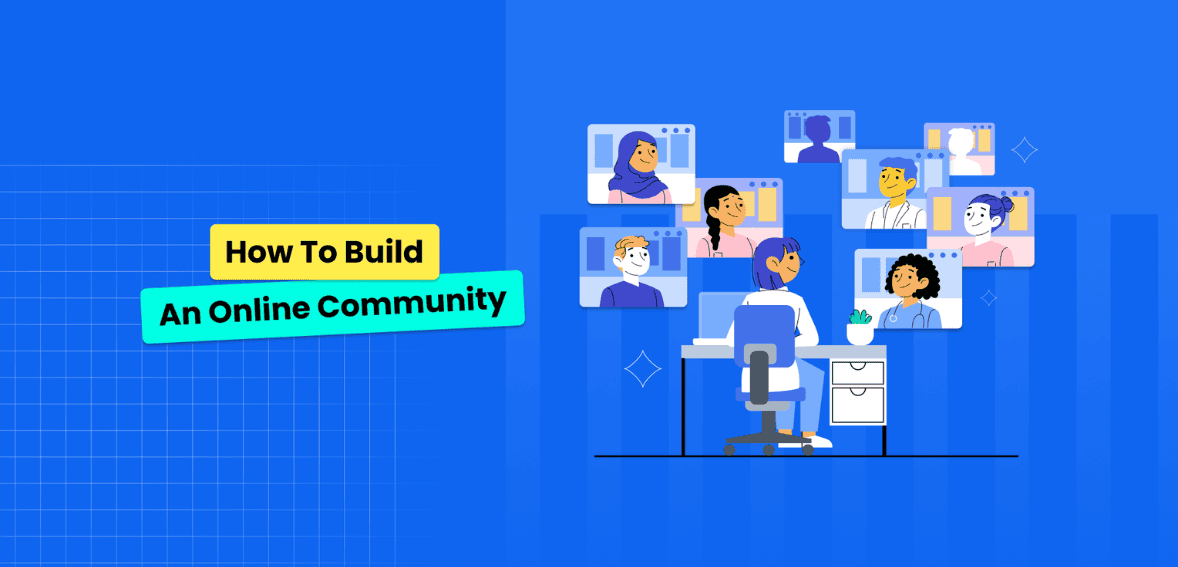
Building a successful digital outreach ministry goes beyond just broadcasting. Building community happens through interacting, talking, and supporting one another. Churches can continue to build a sense of community beyond the weekly service through online “community spaces” where people can continue to build relationships with other church members during the week.
Some excellent platforms for creating online communities are private Facebook groups, WhatsApp chat groups, or similar platforms where the members of the online congregation can post their prayer requests, encouragement, and updates in a safe place. This helps members to feel as though they are not alone and have a place to turn for support throughout their lives and when facing difficult times or seasons.
Church leaders can also use these online community spaces to post devotionals, reminders, and reflections, which keep church members engaged spiritually and build stronger relationships with each other. In turn, this creates a sense of belonging that is an essential component of being a healthy faith community.
Creating Two-Way Participation
Inviting group members to share their prayer needs or their prayer reflections will encourage their engagement and provide a chance for them to care for one another. Through participation, members will feel more connected and have ownership of the group.
Establishing Clear Guidelines for Groups
By having clear expectations regarding respect, kindness, and confidentiality, your group will be able to create a positive environment where everyone feels safe and supports church values.
Supporting Those Who Cannot Attend
Having a way for seniors, caregivers, and others who cannot physically attend can provide those people with ways to connect with the group.
Engaging with Your Community on Social Media—Church Marketing
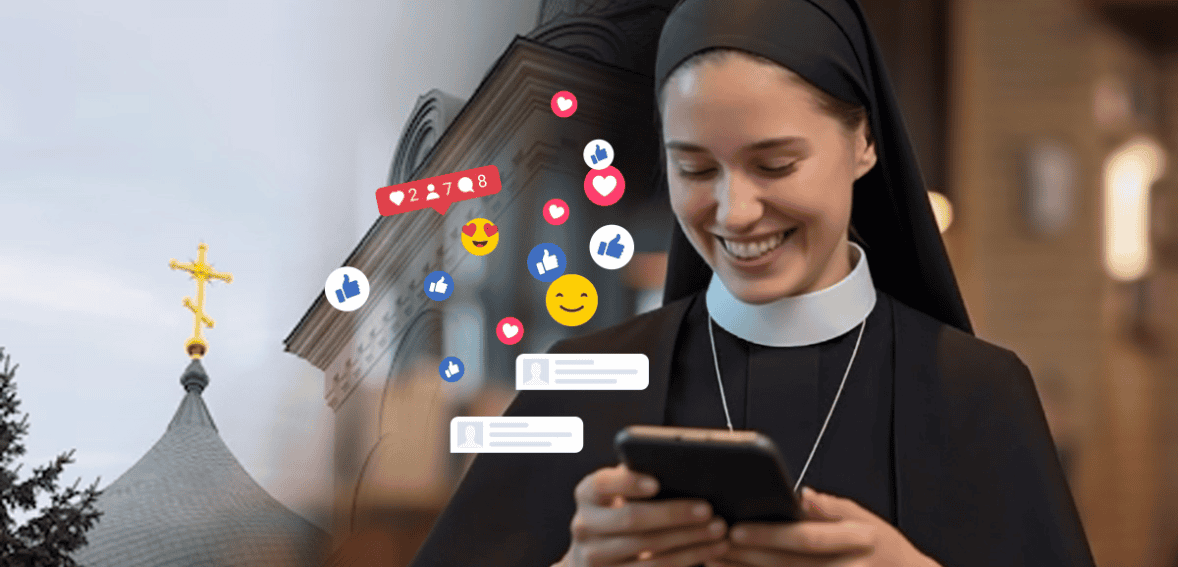
Utilizing social media as a way to connect with people outside of your congregation is a large piece of the puzzle for churches. Many people have their first experience with a church through their social media accounts. Having an active and authentic account can help churches to be seen and accepted by an audience that may have no idea about the church’s message, culture, or values.
Building familiarity and trust revolves around posting consistently. Your posts do not need to be complicated. It could be a family verse, 1–2 sentences of hope or encouragement, a reminder of an event, or a photo from a church event. Providing small videos also allows people to get a personal connection and put themselves in that same situation.
Posting isn’t the only thing that creates value; engaging with others on your posts is also just as valuable to churches. By answering all comments and messages warmly and quickly, potential attendees will continue to feel welcomed and connected to the church. The church, over time, will help build a sense of belonging for those with a curiosity about faith.
Distributing Appropriate/Helpful Content
The church has inspired many by sharing scripture, reflections, and videos that keep them aware of the church throughout every day.
Replying to Comments & Messages
Timely and thought-out responses build trust and encourage further interactions.
Creating Visibility for Visitors to the Church
The church’s active social media presence allows people to see what is going on in the church prior to their visit.
Also Read: Community Partnerships: Collaborating with Local Businesses and Groups
Ways to Support Spiritual Growth Through Digital Learning

The digital outreach ministry provides structured opportunities for learning and growing in one’s faith through programs offered both online and in person, such as Bible study groups via Zoom or Google Meet, prayer meetings that are accessible via the internet, and youth group activities where distance and ability do not prevent participation. These programs help keep members connected to their church family while traveling or experiencing a life change, such as moving.
Platforms for online learning (such as Zoom and Google Meet) are designed to allow everyone, regardless of age, to participate engagingly by keeping the sessions interactive, as well as providing everyone with tools such as discussion questions, prayer requests, and a chat feature to encourage participation.
Scheduling these types of learning experiences in such a manner that maximizes participation is important. For example, you may provide these sessions at convenient times, as well as record them so that participants can view them later; this provides flexibility for families with children, individuals who work full-time, and students.
Choosing User-Friendly Platforms
Simple tools allow all members to participate by minimizing frustration and making participation an easier experience.
Keeping Sessions Engaged
Involving participants through questions, discussions, and prayer makes them feel as though they are engaged rather than simply existing in attendance.
Provide Flexible Scheduling
Multiple times and recorded sessions allow people with busy lives and different schedules to be able to access sessions.
Engaging and Welcoming Newcomers Through Digital Channels

When people are interested in visiting a church or learning more about it, digital outreach ministry is often the first way they connect. Many people choose to watch and listen before they come into direct contact with the church, and churches can help support this process by providing clear and welcoming ways to make a connection.
A simple way to allow visitors to reach out and connect with the church is through a contact or prayer request form on the website, which allows people to reach out without any pressure. Including this option in announcements in your live stream may encourage individuals to reach out without making them uncomfortable. This also allows for the church to have an online greeter that can ensure that any messages or comments made during the live stream will receive a timely and caring response.
It’s important to follow up with individuals who have connected with you digitally through email, a prayer note, and/or an invitation to upcoming events in order to build rapport and establish a trustworthy relationship. While some individuals may have eventually visited your church in person and have become part of your in-person congregation, others will choose to remain part of your online church due to distance or circumstances. Each is part of the church and equally important.
Developing Simple Ways to Interact with Themselves as Newcomers
Clear ways of contacting and filling out forms help to remove the barrier of participation for new participants.
Designate a Virtual Greeter for Newcomers
Having staff or a volunteer greet newcomers via the internet and help them feel welcome is important for making the newcomer feel that they are welcome.
Build Relationships Through Both In-Person and Online Participation
Both in-person and online participation create community and build faith within the faith community.
Conclusion
Churches will be able to have a stronger impact on their communities through effective digital outreach ministry, no matter where they live or work, while maintaining their core mission. Digital tools, when used with the right intentions and consistency, will enable churches to create lasting relationships with their congregation and continue to care for all members of the congregation, regardless of physical boundaries. Digital tools will also improve communication, help churches remain generous, and provide opportunities for spiritual growth. Thoughtful use of online engagement will support the development of a connected faith community that continues throughout the week and into Sunday’s worship.
FAQ
How can a small church start a digital outreach ministry with little to no financial resources?
Most churches can get started by utilizing a smartphone, free platforms for outreach, and support from volunteers. It’s more important to be consistent than to have specific pieces of equipment.
Can an online congregation feel truly connected to the life of the church?
Yes. People can build real relationships through regular interactions, online groups, and personal follow-up.
Is live-streaming worship meant to be an alternative to gathering together for in-person services?
No! Live streaming worship services creates additional accessibility and inclusion for in-person worship gatherings.
How often should our church use social media?
Generally, posting two to four times a week works well, as long as the content being posted is of personal value and is consistent.
Does using digital outreach help to build long-term engagement with a congregation?
Yes! Digital outreach creates stronger channels of communication and makes the church more accessible and available to all members of the faith community.