

Mastering Donor Thank-You Letters: Best Practices for Heartfelt Acknowledgments
Donor thank-you letters are definitely the main factor that decides whether a nonprofit donor will give just once or get connected and stay so for many years. In the USA, donors do not only give because they are asked; they give because they are made to feel that they are valued and respected, and their contribution is essential. The very first message a donor receives right after giving lays down the emotional base and determines how the donor will perceive the organization in the future.
Gratitude sustains the efforts that nonprofits put into fundraising through donor thank-you letters. This is often even unnoticed as they still rush, make generic, or delay the thank-you letters. Donors may feel neglected and lose interest in the nonprofit if they receive such letters. On the other hand, a considerate and quick acknowledgment encourages donors to consider their gift as important and their support as very much needed.
Nonprofits have to keep pace with the rising donor expectations, and thank-you letters should be regarded as part of donor stewardship rather than an afterthought. When crafted with honesty, lucidity, and intent, these letters will not only be a vehicle for building trust and loyalty but will also help in the conversion of occasional donors to committed supporters.
Why Donor Thank-You Letters Matter More Than Ever

A thank-you letter, especially a donor thank-you letter, is usually the first personal correspondence a donor receives from a nonprofit after the donation. The way that the organization is presented to the donor through the acknowledgment has a great impact on the donor’s conception of the organization’s professionalism, gratitude, and accountability. An acknowledgment presented excellently will communicate to the donor that the donation was received, that it was appreciated, and that it was put to good use.
Donor expectations have changed for nonprofits in the U.S. Supporters want to be treated as persons, not as transaction numbers. When thank-you letters are perceived as either very impersonal or having come through too late, the donors may lose their attachment to the cause. Timely and heartfelt acknowledgments, on the other hand, lead to the building of trust and the strengthening of emotional ties.
Besides, donor thank-you letters that are strong build trust at the same time. They are one of the signs that the organization is treating the donor with respect and that the donor is only being neglected in the interests of stewardship. This trust will be a significant factor in the long run for keeping the donor relationships alive and strong.
Understanding the Purpose of a Donor Thank-You Letter
A donor thank-you letter is not just a formality, such as donor thank-you letters. It is meant to show gratefulness, market the impact, and strengthen the donor relationship. The letter should be sent to the donor with a very clear message that their contribution is the key to the mission’s success and the acknowledgment of their generosity is an asset of the organization.
Letters that are written well give trust as well. The gifts of the donors must come to them as a kind of reassurance that their money was received safely and will be used with care. A good letter expresses gratitude and offers both emotional and practical support simultaneously.
One more major purpose is to build the relationship. Thank-you letters are going to be the first step in nonprofit donor communication that continues. They will create an environment for future contacts and assist donors in feeling valued as important stakeholders, rather than just vulnerable patrons.
Timing and Delivery: When Thank-You Letters Should Be Sent

Timing has a significant influence on donor thank-you letters’ overall impression. The sooner the donor is thanked after the donation, the stronger and deeper the bond remains. On the other hand, sending messages late can diminish the feeling of gratitude and hence the donor’s overall happiness with the donation.
In the case of online gifts, acknowledgments should be dispatched, in the best case, within 24 to 48 hours. In the case of donations made through checks, processing first and then sending the letter is the best way to go. Quick reactions show that the organization is effective and that it appreciates the donor’s actions.
The method of delivery is also of great importance. Digital-only donations will generally receive emails, which are both quick and expected, and it is logical that at least the bigger or repeat donors would get mailed letters, for that matter, which can serve as a touch of personal contact. However, the main idea is that there should never be a variation in the acknowledgment of every contribution—it should always be consistent and reliable.
Also Read: Planning Your Nonprofit Communications Calendar: A Year-Round Engagement Guide.
Writing with Authentic Gratitude
At the core of thank-you letters that are effective lies authenticity. Donors can quickly spot non-original or automated messages that do not convey any real feelings. Templates may be utilized, but still, the choice of words should be such that it gives the impression of warmth, sincerity, and humanity.
Do not go for hyperbolic compliments or very polished vocabulary. Rather, use uncomplicated and emotion-filled first-person voices of gratitude that are typical of your organization in the first place. Unambiguous recognition creates emotional impact without being overdone.
The usage of real-life cases of the impact could also serve to reinforce the truthfulness of the message. Just mentioning in passing the areas of the donations’ application will give the donors a visual picture of the difference they are making, and thus, being part of the mission will be even stronger.
Personalization as a Core Best Practice

Personalization has become an essential means of communication with donors rather than a luxury. Using the donor’s name and referring to particular gift details are signs of rather high attention and care. This manner of treating the donors makes them much more engaged and satisfied.
Personalized donor acknowledgment is not simply calling a donor by name, but rather the whole history of donors with the organization may be taken into account, and past donations or campaigns that they have contributed to be mentioned, etc. All these subtle nuances contribute greatly to donors’ being comfortable and grateful.
Personalized acknowledgment can be powered and scaled with modern donor management software easily. Nonprofits can maintain accurate and relevant acknowledgment without increasing overhead by effectively managing donor data.
Structuring an Effective Donor Thank-You Letter
An effectively organized letter brings about understanding and continuity while maintaining readers’ interest. The beginning must straight away show thankfulness and refer to the particular donation. This gives a favorable tone and verifies the reception.
The letter’s main part should succinctly narrate the donation’s effect. This is where charities can promote their cause and illustrate how donors’ support equates to tangible results. Do not give lengthy descriptions, but instead concentrate on significant points.
The sign-off should once again speak of thankfulness and still be friendly. To finish off the communication with something positive gives the donors a feeling of connection that is lasting and of goodwill towards the nonprofit that is strong.
Communicating with Donors in Their Preferred Language and Tone
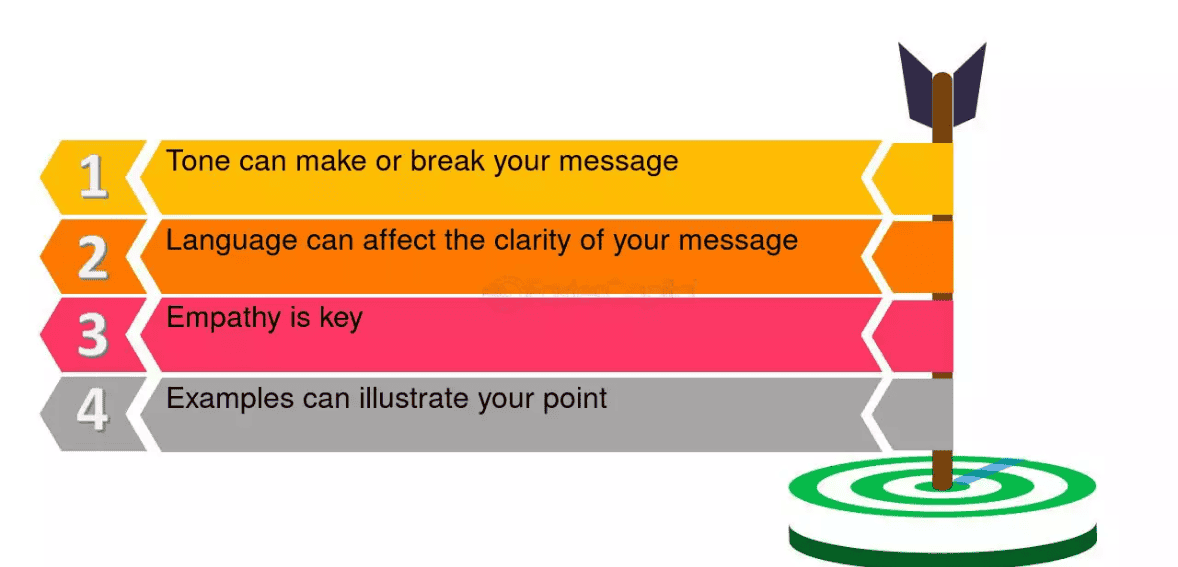
Using straightforward words is essential for communication to be effective. The letters of thanks to the donors must not only be easy to read but also emotionally friendly. Confusing sentences or specialized words may weaken the communication and lower the understanding.
The manner of speaking must be professional but warm at the same time. Too friendly language might come off as too much, whilst too formal language might sound cold. Finding the right point is the way to make the donors feel both honored and appreciated.
Another important point is the understandability. Each statement must have a reason for being. Do not include unnecessary content, and instead concentrate on making clear the message of gratitude and the positive impact of the donation.
Aligning Thank-You Letters with Donor Appreciation Best Practices
Thank-you letters are to be aligned with the overall donor stewardship activities. The impact of such letters is maximized when they are included in a uniform appreciation strategy that recognizes donors through various channels.
The Donor Appreciation Best Practices stressed consistency, sincerity, and relevance. The acknowledgments given should be the same as the weight that the donor had for the organization, no matter the amount of the gift. Every donor’s contribution is worthy of being acknowledged.
When letters of thanks are incorporated into a well-structured appreciation plan, they help to create positive donor experiences, and so, they attract the donor for further involvement.
The Role of Thank-You Letters in Donor Retention
Commonly, the costs involved with maintaining a donor are less than the costs incurred for getting a new donor. Thank-you letters are a major factor in the process of making the donor feel good about the donation and thus, giving again.
When the donor has the feeling of being valued and also of being well-informed, that donor will most probably be very active in the support. Thanking donors effectively gives the donor-organization relationship the intimacy it needs and shows that their contribution really counts.
Gradually, regular and genuine acknowledgments lead to stronger donor retention strategies. These strategies assist charities in establishing a funding pattern that is sustained through long-term relationships rather than through one-time donations.
Utilizing Technology to Upgrade Thank-You Notes

Technology can considerably increase the efficiency and standard of acknowledgments to donors. Platforms meant for donor management contribute to the quality of the responses by making them fast and personalized at the same time.
Apps like donor CRMs provide charities with a way to keep track of each donor’s past giving, their likes and dislikes, and all communications. This knowledge lets the organization send out letters that are not only precise but also sincere, as they show the donor’s connection with the charity.
Nonprofits that correctly apply technology will always have the upper hand in donor communication concerning the quality of the message being sent, albeit they will not lose the authenticity aspect of it.
Common Mistakes to Avoid in Donor Thank-You Letters
A frequent blunder is the use of extremely generic language in donor thank-you letters. Donor recognition is not very clear-cut, with messages that are not specific. Another trouble is the tardy acknowledgments that, in turn, lessen the emotional impact.
Not proofreading is another big issue. Spelling mistakes or incorrect donor names may hurt the reliability and trust placed in the organization. Each letter needs to be thoroughly checked before it is sent out.
Last but not least, emphasizing future demands too much can detract from the gratitude. Recognition letters should be about gratitude and not sales pitches.
Measuring the Effectiveness of Thank-You Letters
Thank-you letters, though not fundraising requests in the strictest sense, can still be evaluated for their effectiveness. The director’s donor retention rates and repeat giving metrics, for instance, can provide a good indication of their impact.
Besides, donor feedback could be beneficial too. Or rather, positive responses or a donor’s continued engagement may be strong signals that acknowledgments are indeed going quite well with the donors.
In this way, continuous improvement guarantees that thank-you letters stay current and are in line with the donor’s expectations.
Conclusion
It is necessary for nonprofits that want to develop trust, loyalty, and long-term support to master the skill of writing donor thank-you letters. Donor letters, if written with the right motive, are pure and personalized; thus, they really establish the relationship and even strengthen the emotional bond between the contributors and the cause.
Nonprofits that emphasize promptness of delivery, use of true language, and effective impact communication can change mere acknowledgments into great stewardship tools. Donors are subtly reminded by considerate thank-you letters about the significance of their generosity and that they are the major facilitators in the process of positive change.
FAQ
Why are donor thank-you letters important for nonprofits
They facilitate the process of doing business between the organization and the donor, showing goodwill and making the donor more likely to give again through proper recognition.
In what time frame should a donor get a thank-you letter?
The gratitude letters should be written within 24 to 48 hours at the latest in order to keep the emotional bond and the donor’s satisfaction.
Should the letters of thanks be personalized?
Absolutely, personalization raises the level of interaction and makes the donors feel like they are an individual with value and recognition.
Can automated letters still come across as sincere?
Automated letters can be warm and sincere if they are carefully written and backed by precise donor data.
Are acknowledgment letters really a factor in donor retention?
Definitely, continuous and sincere recognition plays a vital role in creating a strong bond between the donor and the charity and in getting the donor to give again.