
Engaging Gen Z & Millennial Donors: Strategies to Attract Younger Supporters
Nonprofits across the United States are facing a generational shift in philanthropy. While Baby Boomers and Gen X donors continue to give generously, the long-term sustainability of charitable organizations increasingly depends on how well they engage Gen Z donors and Millennial donors. These younger generations are already shaping how people support causes, from digital fundraising to peer-driven advocacy, and their influence will only grow in the coming years.
Younger donors approach giving differently than previous generations. They expect transparency, value alignment, and easy digital access. Many are motivated less by institutional loyalty and more by a desire to contribute to causes that reflect their beliefs. Understanding these preferences is essential for nonprofits looking to succeed in next-gen philanthropy and build durable relationships with digital donors.
What Motivates Gen Z and Millennial Donors
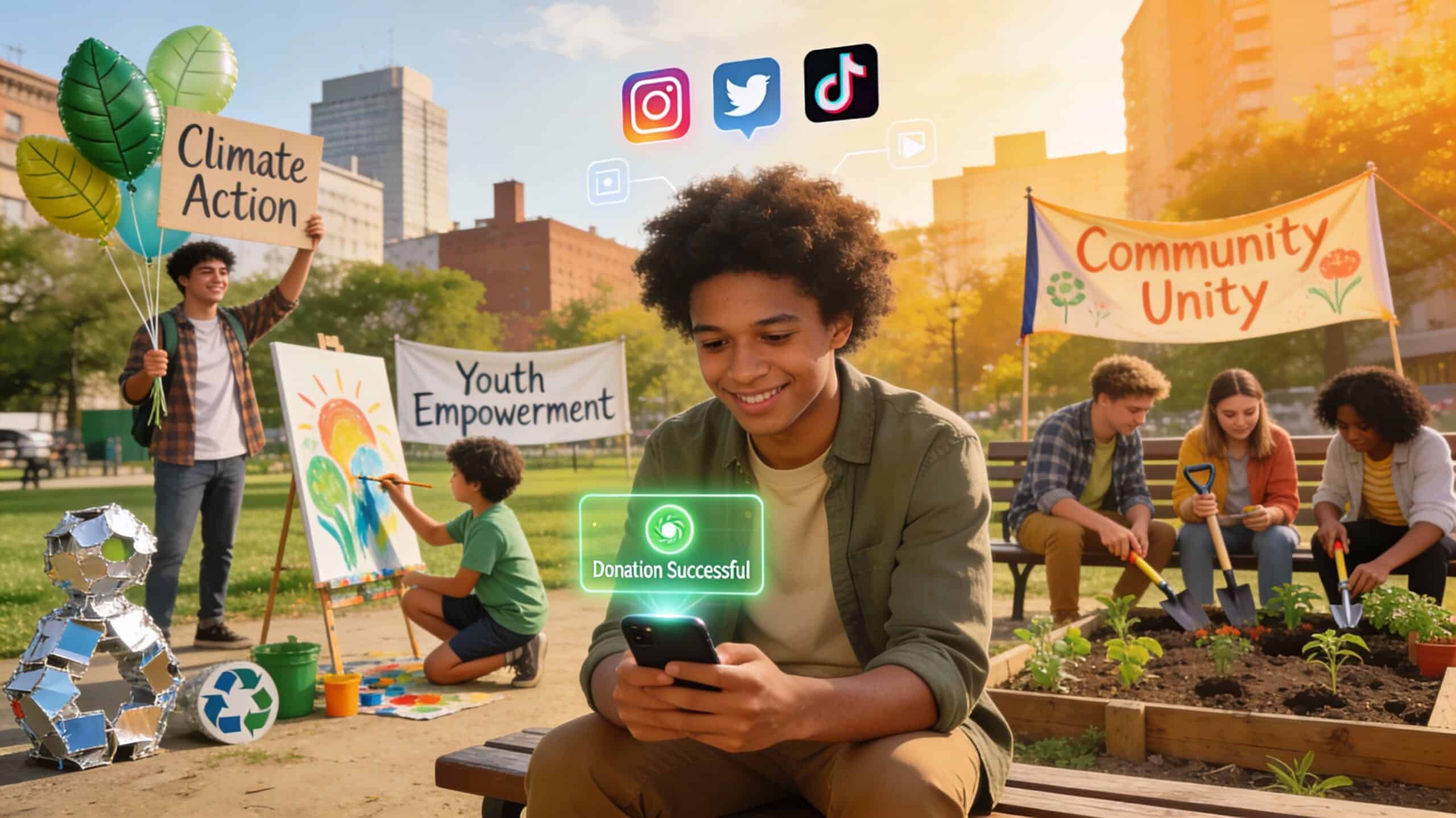
Millennials, generally born between 1981 and 1996, were the first generation to normalize online giving. Many are now in their late twenties through forties and entering higher-earning stages of life. As donors, they tend to prioritize convenience and clarity. Mobile-friendly donation options, recurring monthly giving, and clear explanations of how funds are used all influence their willingness to support an organization.
Gen Z donors, born roughly between 1997 and 2012, are still early in their financial journeys, but their engagement with causes is notably high. Gen Z is more likely to participate through volunteering, advocacy, and social sharing, even when financial contributions are small. Their giving behavior is often spontaneous and shaped by peer influence, particularly through social media. A viral post, a personal story, or a friend’s fundraiser can quickly mobilize support.
Despite these differences, both generations share common values. They are drawn to causes connected to social justice, climate action, mental health, equity, and community impact. They want to understand not just what a nonprofit does, but why it does it and how that work creates measurable change. For organizations focused on engaging young donors, aligning mission messaging with these values is critical.
Digital Engagement Is the Primary Gateway
Strong digital engagement is foundational to successful youth fundraising. For Gen Z and Millennials, digital platforms are where discovery happens. Social media is often the first point of contact between a nonprofit and a younger supporter, making authenticity more important than polished branding.
Short-form videos, real stories from staff or beneficiaries, and behind-the-scenes content perform well because they feel human and relatable. Younger donors are less responsive to overly formal messaging and more receptive to content that reflects real experiences and honest emotions.
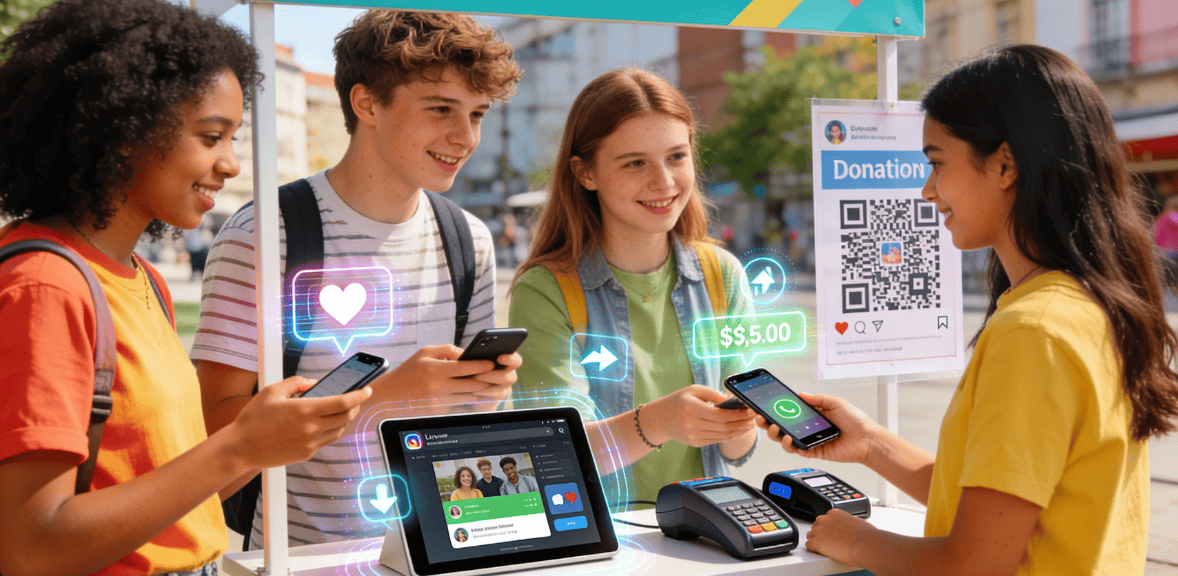
Equally important is the donation experience itself. Younger supporters expect online donation processes to be quick and mobile-friendly. Long forms, unnecessary steps, or unclear instructions create friction that can prevent giving altogether. Options such as mobile wallets, text-to-donate, and QR codes make it easier for digital donors to act when motivation is high.
Emerging digital formats also allow nonprofits to reach younger audiences in new ways. Livestream fundraisers, social challenges, and peer-driven campaigns enable supporters to participate actively rather than passively. These approaches extend reach by encouraging donors to share causes within their own networks, increasing visibility without requiring large marketing budgets.
Impact and Transparency Build Trust

Trust is a deciding factor for Gen Z donors and Millennial donors. Younger generations are more likely to research organizations before giving and expect clear information about how donations are used. General statements about doing good are less effective than specific explanations that connect dollars to outcomes.
Communicating impact clearly helps donors understand the value of their contribution. Explaining what a specific amount supports, whether it funds meals, services, or programs, allows supporters to see the real-world effect of their involvement. Storytelling strengthens this connection by showing how individuals or communities benefit from the organization’s work.
Transparency extends beyond impact reporting. Younger donors also care about how nonprofits operate internally. Open communication about finances, leadership decisions, and organizational challenges signals accountability. When nonprofits are honest about setbacks or areas for improvement, it reinforces credibility rather than undermining it.
Values alignment is another critical trust factor. Younger supporters are more likely to stay engaged with organizations that consistently demonstrate commitment to equity, inclusion, and ethical practices. When nonprofits clearly communicate their values and show how those values guide decision-making, they create stronger emotional bonds with supporters.
Engagement Beyond Financial Contributions

Financial donations are only one way younger people support causes. Many Gen Z supporters, in particular, may have limited financial capacity but are highly willing to contribute time, skills, and influence. Nonprofits that recognize and encourage these forms of participation are better positioned to build long-term relationships.
Volunteering remains a powerful entry point for engaging young donors. Hands-on involvement allows supporters to experience the mission directly, making the impact more tangible. Whether opportunities are in-person or virtual, meaningful volunteer roles help younger supporters feel invested in the organization’s success.
Peer-to-peer fundraising is another effective strategy. Younger generations are comfortable asking friends to support causes online, especially when the request is tied to a personal milestone or story. These campaigns allow individuals to amplify impact by mobilizing their networks, even if their own donation is small.
Advocacy and awareness-building also matter. Sharing content, participating in digital campaigns, or encouraging others to get involved are valuable forms of support. Acknowledging these actions reinforces that engagement is not limited to writing a check and helps foster a sense of community around the mission.
Turning Engagement Into Long-Term Relationships

Younger donors are often described as cause-driven rather than organization-loyal. This means nonprofits must actively nurture relationships to encourage repeat engagement. Consistent communication and follow-up play a central role in this process.
After a donation or volunteer action, a timely and thoughtful follow-up helps reinforce trust. Thank-you messages that explain how support will be used are more effective than generic confirmations. Over time, sharing progress updates and outcomes keeps supporters informed and connected to the mission.
Inviting feedback further strengthens relationships. Surveys, virtual discussions, and informal online engagement demonstrate to younger supporters that their opinions matter. When people feel heard, they are more likely to remain involved and advocate for the organization.
Recognition also contributes to loyalty. Public acknowledgment can help supporters feel appreciated and valued when appropriate. Simple gestures, such as a mention in a newsletter or a social media thank-you, can deepen emotional connection without feeling transactional.
Using Technology to Support Next-Gen Philanthropy

Managing relationships with younger donors requires tools that support personalization and transparency. Technology that helps track engagement, segment audiences, and communicate impact allows nonprofits to respond more effectively to supporter preferences. Systems like Cloud Donor Manager can help organizations organize donor information and maintain consistent communication across digital channels while keeping the focus on relationships rather than transactions.
However, technology should always support human connection, not replace it. The goal is to enable more transparent communication and better responsiveness, not to automate engagement in ways that feel impersonal. When used thoughtfully, digital tools help nonprofits meet the expectations of modern donors while preserving authenticity.
The Future of Youth Fundraising
As Millennials continue to grow their giving capacity and Gen Z enters adulthood, their influence on American philanthropy will expand. Gen Z giving trends point toward a future where generosity is more participatory, transparent, and digitally driven. Nonprofits that adapt to these expectations will be better positioned to build resilient supporter communities.
Success in youth fundraising does not require abandoning traditional donors or values. Instead, it involves expanding engagement strategies to include younger perspectives and preferences. By prioritizing clarity, authenticity, and shared purpose, nonprofits can connect meaningfully with the next generation of supporters.
Engaging Millennial donors and Gen Z supporters today lays the groundwork for sustained impact tomorrow. Organizations that invest in trust, communication, and inclusive engagement will not only attract younger donors but also empower them to become long-term partners in advancing meaningful change.
Conclusion
Engaging Gen Z donors and Millennial donors is not about chasing trends or reinventing your mission; it is about evolving how you communicate, invite participation, and demonstrate impact. Younger generations are already deeply engaged with causes they care about, even if their support does not always take the form of traditional philanthropy. They give when they feel connected, informed, and confident that their involvement is making a real difference.
For nonprofits in the United States, the path forward is clear. Building trust through transparency, showing tangible outcomes, and meeting supporters in the digital spaces where they already spend time are essential to successful next-gen philanthropy. Equally important is recognizing that financial donations are only one part of the relationship. Volunteering, advocacy, peer-to-peer fundraising, and community building all play critical roles in engaging young donors and turning early supporters into lifelong champions.
As Gen Z giving trends continue to shape the future of generosity, organizations that prioritize authenticity, values alignment, and meaningful engagement will stand out. By nurturing these relationships now, nonprofits can create a strong, sustainable base of digital donors who not only contribute financially over time but also amplify the mission through their voices and networks. The result is a more resilient, energized nonprofit community prepared to thrive for generations to come.
Frequently Asked Questions
Are Gen Z and Millennial donors actually giving money to nonprofits?
Yes, both generations donate financially, though often in smaller or less traditional ways. Many give through online platforms, peer-to-peer campaigns, or spontaneous digital appeals. Even modest contributions add up when paired with high engagement and sharing.
What communication channels work best for engaging young donors?
Social media plays the most significant role in reaching younger audiences, especially for discovery and awareness. Email and text messaging remain effective for direct communication when messages are concise and mobile-friendly. A mix of channels usually performs best.
How can nonprofits engage younger supporters with limited budgets?
Large budgets are not required to reach younger donors. Authentic storytelling, simple videos, and user-generated content often resonate more than highly produced campaigns. Consistency and sincerity matter more than production quality.
What types of causes are Gen Z and Millennials most interested in?
Younger donors often support causes tied to social justice, climate action, mental health, and equity. They are also responsive to urgent humanitarian needs and community-based solutions. Personal connection and values alignment strongly influence interest.
How can nonprofits build long-term loyalty with younger donors?
Loyalty grows through ongoing engagement rather than one-time asks. Regular impact updates, opportunities to participate beyond donating, and clear communication help build trust. When younger supporters feel included and informed, they are more likely to stay involved.