

Faith-Based Donor Engagement Automation and Biblical Stewardship Tracking
Trust, purpose, and responsibility characterize the operation of faith-based organizations. Every single donation is a manifestation of the trust that the donor not only supports the cause but also the management of those resources. The donors have the right to expect that the contributions would be handled with the utmost care, and they assert this expectation through transparency, integrity, and accountability. Whenever these expectations are not fully met, trust can become hesitant, notwithstanding the genuine intentions behind the situation.
To the present day, many ministers and institutions are still relying on outdated and slow clerical systems, which in turn bring about total darkness and wrong interpretation in the whole scenario. These methods make it hard to present the donations clearly, process the communication team regularly, and demonstrate the good management of the assets. The automation of faith-based donor engagement can be seen as a biological method of managing tax deductions while still being in line with biblical stewardship principles. The technology, in partnership with the values-driven leadership, not only allows organizations to keep trust but also to nurture donor relationships and provide support for the sustainability of the mission in the long run.
Understanding Faith-Based Donor Engagement Automation
What Donor Engagement Means in a Faith-Based Setting
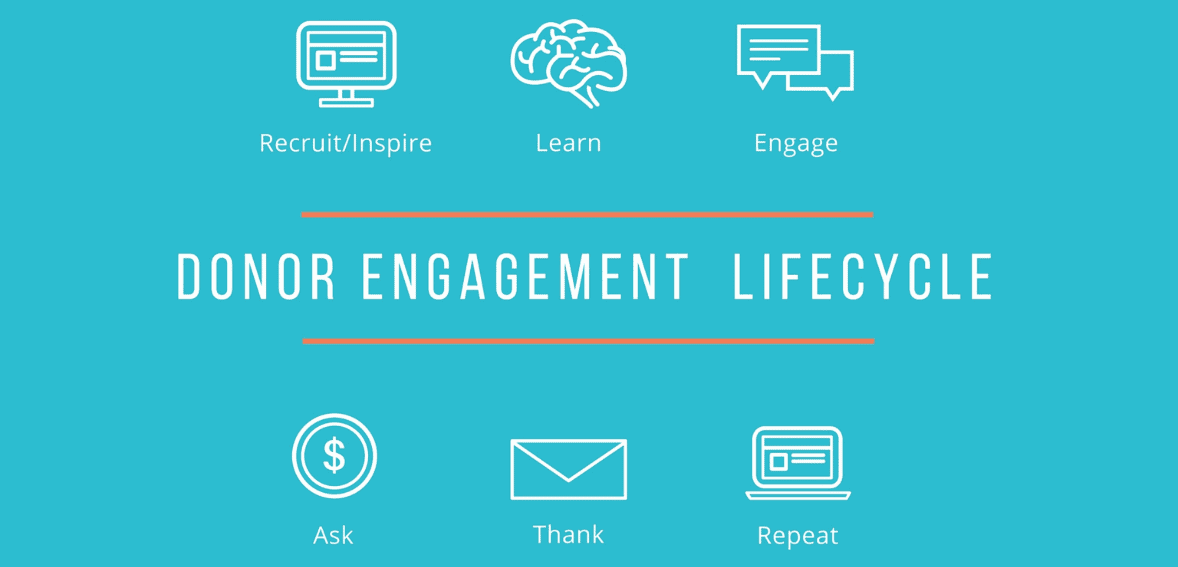
The engagement of donors in religious organizations is based on relationships, not transactions. Donors give because they experience a spiritual bond with the mission and think that their contribution brings about significant changes. This interaction consists of notifying the donor, showing appreciation, providing information about the organization’s finances, and gradually building trust over time.
The automation of faith-based donor engagement helps to maintain this relational approach by systemizing the management of donor data and communication. It guarantees that every donor is given the same recognition and information as others, but at the same time, it lets the churches keep the personal, faith-oriented bond with their donors.
How Automation Functions in Faith-Based Organizations
Basically, automation acts in faith organizations as a central management for all processes related to recurring donors. Among these processes are the tracking of donations, producing receipts, and communication scheduling and reporting. The systems are based on data instead of manual entry; thus, no mistakes occur, and the data is treated each time identically. Furthermore, turning the system into an automated one not only removes the hassle of administrative tasks but also allows staff and volunteers to focus on the ministry instead of paperwork.
Automation also facilitates operational transparency along with the support of spiritual leadership and service-oriented priorities.
Why There Is a Need for Automation in Faith-Based Organizations Today
Changing Donor Expectations in the US
Timely communication and financial transparency are among the most important characteristics expected by donors from charitable organizations in the United States. Donors expect to receive instant acknowledgment of their contributions and want to see the clear impact their money has on the organization’s mission. Any delays in communication or vague statements regarding the use of funds can create doubts and loss of trust among donors.
To manage such expectations continuously, faith-based organizations are utilizing donor engagement automation for their church. The use of automatic systems guarantees that all donors are provided with the right information on time, which will, in turn, present the organization as being professional and trustworthy every time.
Limitations of Manual Donor Management Systems
The use of manual donor systems is made possible by the extensive use of spreadsheets, paper records, and non-integrated tools. All these methods raise the chances of making mistakes, having data overlap, and losing some records. Moreover, they complicate the generation of reports and tracking of donor history to a large extent.
Automation does away with disconnected systems and introduces a unified platform. This arrangement not only increases but also improves the precision of operations, the leadership’s view of the situation, and the reduction of risk in operations.
Biblical Stewardship and Donor Management Walking Hand in Hand

Biblical Stewardship Principles Believed
In Biblical stewardship, duties, loyalty, and submission are the main virtues. The Bible counsels that assets should be controlled efficiently and that God’s will should be the reason for their use. Charitable organizations not only should but also must reflect these values in their monetary dealings.
Donors’ great generosity is not the only thing that goes into the making of stewardship. The donor’s willingness to receive back the same value, following the honest reporting of the ministry, and the assurance that the money will be used in support of the ministry, are all part of the stewardship process.
Stewardship and Trust in Faith-Based Communities
Trust is the backbone of giving for faith. Donors give their money to the organizations because of the belief that the leaders will behave ethically. When the stewardship practices are not clear, the trust can fade away.
On the other hand, automation fosters trust, as it delivers exact records and periodic reporting. The systems are accountable and a leading force that enhances the public’s confidence in the decisions made by the management.
The Role of Biblical Stewardship Tracking
What Stewardship Tracking Tools Do
The primary function of stewardship tracking tools is to monitor donations throughout the entire process, starting from the receipt and ending with the allocation. Besides, they also give insight into the specific areas where the funds have been allocated, thus providing a view of the overall distribution of money across different programs and initiatives. Therefore, the leaders are more assured that the resources are used for the intended purposes.
The instruments remove all doubts and facilitate the moral handling of finance. The accurate monitoring works like a protective layer for the contributors, the management, and the entity as a whole.
Strengthening Financial Oversight and Governance
Strong governance always relies on correct and prompt financial data. The use of stewardship tracking tools makes it easier to carry out internal reviews, audits, and board reporting. Moreover, the leaders would be able to spot problems at an early stage and take responsible actions in response.
The level of oversight that is achieved in this situation is accountable for the reinforcement of accountability, but also a support for the long-term stability of the organization.
Transparency as a Core Element of Donor Trust

Why Transparency Matters to Faith-Based Donors
Faith-based donors give with the expectation that their generosity will create meaningful impact. Faith-based donor engagement automation supports transparency as an expression of respect for their faith and commitment, ensuring open communication that treats donors as valued partners and keeps them well informed.
In the end, transparency builds stronger bonds, which can lead to an increase in support. Also, it is an indication of compliance with the biblical standards of honesty and accountability.
How Automation Improves Transparency
Automation simplifies the standardization of communication and reporting across the organization. With faith-based donor engagement automation, reports remain consistent and clearly show how donations are used, making transparency a daily practice rather than an occasional effort.
This uniformity creates trust and solidifies donor trust for the long run.
Improving Donor Communication Through Automation
Timely Donation Acknowledgments and Updates
Prompt donation acknowledgment reflects both gratitude and professionalism. Through faith-based donor engagement automation, confirmations are sent immediately after giving, reinforcing donors’ trust in the value and impact of their contributions.
It is essential for the donors to get constant updates, as this would allow them to be connected with the charity’s mission and to see the impact of their help.
Using Donor Engagement Software for Personalized Communication
Donor engagement software enables personalized communication that is thoughtful, relevant, and informed by giving history and preferences. Through faith-based donor engagement automation, messages feel human and sincere—reflecting genuine care rather than impersonal branding.
This strategy revives the emotional bond and motivates the donor to stay over time as a participant.
Centralizing Donor Data for Enhanced Interaction
Advantages of Centralized Donor Information
Centralized systems keep donor profiles, giving history, and communication records in one place. Through faith-based donor engagement automation, this structure improves collaboration across teams and reduces misunderstandings.
The organizations that possess accurate and easily accessible data can react to the donors’ needs quickly and consistently.
Using Data to Improve Engagement Strategies
Data creates a clearer picture of donors while revealing meaningful engagement trends. Through faith-based donor engagement automation, organizations can design outreach strategies that resonate with donors and remain aligned with shared values.
Engagement based on data puts a seal on loyalty and the long-lasting support for the mission.
Reducing Administrative Burden with Automation
The Cost of Administrative Overload
Manual administration consumes significant time and energy. Faith-based donor engagement automation reduces paperwork unrelated to core ministry, helping staff stay motivated and focus their efforts where their impact is greatest.
Inefficiency in operations is a drag on growth and diverts attention away from the core mission.
Also Read: How Church Donor Management Software Reduces Administrative Work
How Nonprofit Donation Automation Supports Efficiency
Nonprofit donation automation brings efficiency to the nonprofit sector, strengthening effectiveness across the organization. When applied through faith-based donor engagement automation, background systems manage processes accurately while remaining easy to oversee and adjust when needed.
Nonprofit staff can now dedicate their time and energy to areas that need more of their input, such as communication, outreach, and even spiritual care.
Data Accuracy as a Stewardship Responsibility
Risks of Inaccurate Donor Records
When records become mixed up, confusion follows, and trust among stakeholders can quickly erode. Faith-based donor engagement automation reduces these risks by minimizing errors not only in reporting, but also in compliance and donor communication. Even small mistakes can damage an organization’s reputation.
Responsible stewardship depends on accuracy. Ethical leadership and stewardship are therefore inseparable from precise, reliable data management.
How Automation Improves Data Accuracy
Automation involves the standardization of data entry and updates across different systems. Faith-based donor engagement automation, through church donor management platforms, helps maintain consistency and curb duplication.
Once data is captured, organizations can confidently plan, operate, and rely on it, knowing it reflects transparency and supports sound, values-driven decision-making.
Ethical Data Management in Faith-Based Organizations

Donor privacy and integrity are respected. Organizations of faith are believed to follow the most ethical practices in protecting donor information. Respecting the privacy of others is an expression of one’s integrity and moral leadership character.
The trust of the donors and the credibility of the organization are strengthened through the protection of the data.
How Faith-Based Giving Solutions Support Ethical Practices
Faith-based giving solutions comprise secure storage and controlled access. These measures thwart misuse and unauthorized access.
Ethical systems synchronize technology with faith-driven values.
Security in Faith-Based Donation Automation
Why Security Is a Must for Digital Giving
Donors entrust their personal and financial data to organizations. Faith-based donor engagement automation prioritizes secure data handling, recognizing that security breaches not only erode trust but also severely damage an organization’s reputation.
Robust security is a must to keep donor trust.
Security Features in Modern Automation Platforms
The protection of sensitive data is strengthened through encryption, access controls, and continuous monitoring. Faith-based donor engagement automation uses these safeguards to reduce risk and reinforce the overall trustworthiness of the system.
Security ensures the trust of donors for a long time and the integrity of the organization’s operations.
Selecting the Right Automation Platform
What Features Should Be Given Priority by Faith-Based Organizations?
Transparency, reporting, and stewardship tracking should be items on the list of the top features for organizations. And being easy to use is necessary for both staff and volunteers.
Complicated systems scare people away and thus deprive the organization of the technology benefits that could otherwise have been very consistent and widespread.
Coordinating Technology with Mission Values
Technology must support the mission’s purpose. When systems are value-aligned, faith-based donor engagement automation helps organizations maintain integrity while increasing operational efficiency.
The alignment of the mission guarantees the impact that lasts through the use of technologies.
Getting Faith-Based Organizations Ready for Sustainability Growth
The Importance of Structure for Growth
Complexity and responsibility are the consequences of growth. In the absence of a structure, organizations face the dangers of mismanagement and staff exhaustion.
A system gives one the advantage of understanding and being stable throughout the growth period.
Automating the Process of Scaling Responsibly
The automated engagement of faith-based donors facilitates the growth of organizations that can be scaled up. Organizations can be in charge of the large volume of donations while still exercising their supervision.
The development is always in accordance with the principles of stewardship and attention to the mission.
Conclusion
Organizations of faith deal not only with money; they are also dealing with the trust, belief, and accountability that their communities have given them. The automation of faith-based donor engagement is a process that underlines this responsibility by adding to the aspects of transparency, accuracy, and communication with the donor. The tracking of biblical stewardship makes sure that every gift is treated with respect and that the purpose for which it was given is fulfilled. Ministries that go for organized, principle-based systems will not only keep donor trust but also assist the ministry in growing sustainably and passing on its mission’s integrity to the next generations.
FAQ
What is faith-based donor engagement automation?
Faith-based donor engagement automation is the convergence of technology with the ethics of faith in the areas of donor communication management, tracking of donations, and the provision of reports.
How does automation support biblical stewardship?
Automation guarantees higher accuracy, more transparency, and greater accountability in the management of resources donated.
Is automation suitable for small faith-based organizations?
Indeed. A lot of platforms scale to support small churches and growing ministries very well.
Does Automation Improve Donor Trust?
Indeed. Good communication and proper reporting let the donor trust the process more.
How Is Donor Data Protected?
The solutions for faith-based giving practice safe systems, encryption, and ethical data management to secure donor data.