
Major Gift Fundraising: Using Your CRM to Cultivate High-Value Donors
Major gift fundraising plays a critical role in the financial health of many nonprofits across the United States. While annual campaigns and events bring in significant revenue, major donors often provide the funding that makes bold initiatives possible. A single considerable gift can launch a new program, stabilize operations during uncertainty, or accelerate growth in ways smaller gifts simply cannot.
At the same time, major gifts do not happen by accident. They are the result of careful relationship building, thoughtful timing, and a deep understanding of donor motivations. This is where a nonprofit’s CRM becomes essential—not as a piece of software, but as a shared system of insight, memory, and accountability.
This explores how nonprofits can use CRM data to strengthen their major gift fundraising, identify high-value donors, and manage relationships with major donors in a way that feels personal, respectful, and effective.
Why Major Gifts Matter to Nonprofits

In many US nonprofits, a relatively small group of donors accounts for a disproportionate share of total revenue. This is not a flaw in the system; it reflects how philanthropy works at scale. Some individuals have both the financial capacity and the desire to make significant investments in causes they care about deeply.
Major gifts often support needs that are difficult to fund through general appeals, such as:
- Launching a new service or geographic expansion
- Funding a capital project or facility improvement
- Piloting an innovative program with higher upfront costs
- Creating financial stability through multi-year commitments
Major gift fundraising is also more efficient in certain respects. While securing a single $25,000 gift requires time and relationship management, it may require fewer resources than acquiring hundreds of small, first-time donors. For many organizations, especially those with limited staff, this efficiency matters.
That said, major gifts require a different mindset. This is not mass marketing. It is individualized, relationship-driven work that depends on trust, relevance, and patience. Defining what counts as a “major gift” within your organization—whether $1,000 or $5,000—helps focus your efforts where they will have a significant impact.
How CRM Data Supports Major Gift Fundraising

A CRM is not just a database of donations. When used intentionally, it becomes the central place where fundraising teams track engagement, document relationships, and plan next steps. This is especially important in major gifts work, where context and continuity matter.
Identifying Major Gift Prospects
An effective primary gifts strategy begins with identifying people who have both the capacity and the inclination to give at higher levels. Your CRM already holds many of the clues.
Donation patterns are often the first signal. Donors who give consistently over multiple years, increase their gift size over time, or make an unexpectedly enormous contribution may indicate readiness for deeper engagement.
Beyond providing history, CRMs often capture behavioral data that indicates affinity, such as event attendance, volunteering, advocacy actions, or responsiveness to targeted communications. A donor who actively engages beyond writing checks is often emotionally invested in the mission.
Some organizations also integrate or append wealth-screening data into their CRM. This information may include estimated net worth ranges, real estate ownership, or business affiliations. These indicators help assess financial capacity, but they should never be used in isolation.
A donor’s ability to give is only part of the picture. Philanthropic interest matters as much. CRM notes, such as expressed enthusiasm for a specific program or repeated involvement in a particular initiative, often signal greater potential than wealth alone.
Balancing Capacity, Affinity, and Access
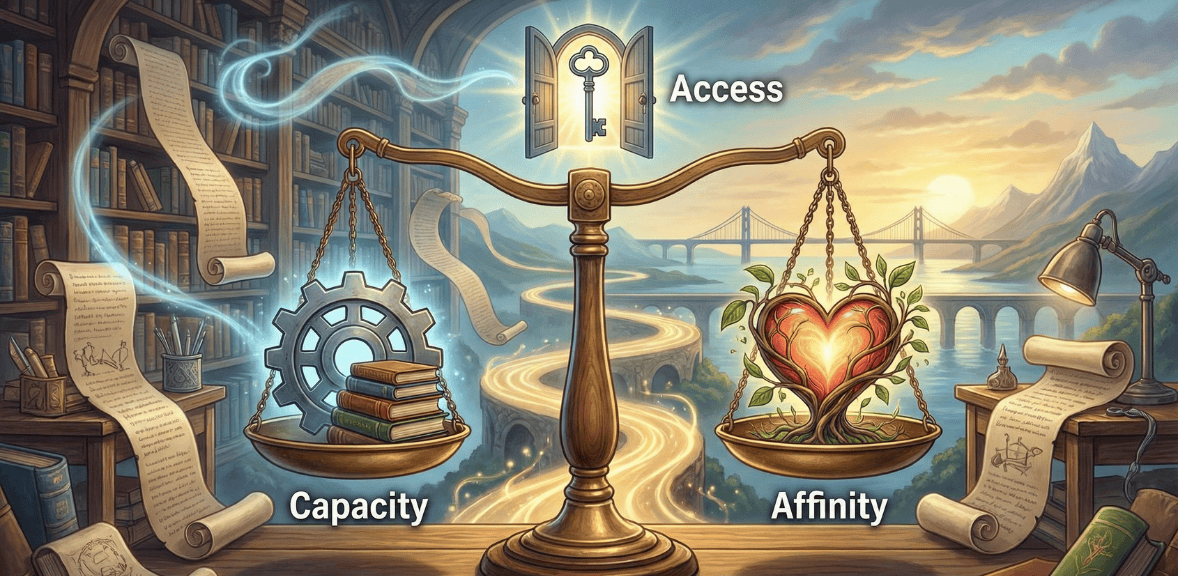
A practical way to organize prospect research is to consider three factors together: capacity, affinity, and access.
Capacity reflects whether a donor could make a significant gift if they chose to. Affinity shows how strongly they connect with your mission. Access refers to whether your organization has a pathway to build a personal relationship, such as a shared connection with a board member or staff leader.
Your CRM implementation can help surface all three. Donation totals and wealth indicators inform capacity. Engagement history and notes inform affinity. Relationship mapping or informal notes reveal access.
From there, nonprofits can create a prioritized list of major gift prospects. This list is not static. It should evolve as donors’ circumstances and engagement change. The goal is focus, not volume.
Prospect Research Without Heavy Tools

Not every organization has access to advanced prospect research services, and that does not prevent effective major gift fundraising. Many valuable insights are publicly available or already known within your community.
Online research can reveal career paths, leadership roles, or business ownership. Public records may indicate patterns in property ownership. In some cases, donor recognition lists from other nonprofits indicate giving behavior elsewhere.
Equally important is internal knowledge. Board members, long-time volunteers, and staff often have context that is not captured in formal data. A brief conversation can uncover shared interests, recent life changes, or philanthropic priorities that shape how to approach the relationship.
When this information is documented thoughtfully in the CRM, it prevents reliance on memory and ensures continuity even when staff or volunteers change.
Building Cultivation Plans That Feel Personal

Once potential high-value donors are identified, the real work begins. Cultivation is about learning, listening, and building trust over time. It is not about rushing toward an ask.
Each major gift prospect benefits from a clear, intentional plan. This does not need to be complicated, but it should be specific. Who is responsible for the relationship? What does the donor care about most? What experiences might deepen their connection?
A cultivation plan might include:
- One-on-one meetings focused on learning rather than asking
- Invitations to see programs in action
- Personalized updates aligned with the donor’s interests
- Opportunities to offer input or advice
These interactions should be tracked in the CRM to build a shared understanding of the relationship. When notes capture not just what happened, but what the donor responded to, future engagement becomes more relevant and respectful.
Some CRMs, including Cloud Donor Manager, allow teams to track relationship stages, making it easier to see whether a donor is still being introduced to the mission or is approaching readiness for a conversation about increased support.
Assigning Relationship Managers
Major gift fundraising works best when responsibility is clear. Each prospect should have a primary relationship manager who coordinates communication and ensures follow-through. This might be a development officer, executive director, or trained board member.
This does not mean others cannot engage. It means one person is accountable for keeping the relationship moving forward thoughtfully. Without this clarity, donors may experience inconsistent communication or long gaps in contact.
Relationship managers use CRM reminders and notes to plan touchpoints and avoid duplication. This consistency signals respect for the donor’s time and attention.
Also read: Educational Fundraising on a Shoestring: How Small Private Schools Can Compete for Donations.
Moving Toward the Ask

A significant gift should never feel abrupt. Ideally, it follows a period of alignment where both the donor and the organization understand shared priorities.
By the time an ask is made, the organization should know:
- Which aspects of the mission matter most to the donor
- What level of support is realistic, given past behavior and capacity
- Who should be part of the conversation
The ask itself should be framed around impact, not budget gaps. Instead of leading with numbers, effective asks begin with a specific opportunity and explain why the donor is well-positioned to make it happen.
For example, proposing funding for a defined initiative allows the donor to see how their contribution creates tangible results. This context makes the request feel purposeful rather than transactional.
CRM data supports this preparation by showing past giving patterns, prior conversations, and timing considerations. It helps ensure the ask is informed rather than speculative.
Handling Responses Thoughtfully
Not every significant gift ask results in an immediate yes. Some donors need time. Others may propose a different amount or a multi-year commitment. Occasionally, the answer will be no.
Each outcome deserves careful documentation and follow-up. Recording donor feedback in the CRM prevents misunderstandings later and helps shape future engagement. A thoughtful “not now” response today can lead to meaningful support later if the relationship remains strong.
Respectful listening during and after the ask reinforces trust. It also signals that the organization values the donor as a partner, not just a funding source.
Stewardship After the Gift
Stewardship is where many major gift programs succeed or fail. Once a donor makes a significant contribution, their follow-up experience will shape their long-term relationship with the organization.
Effective stewardship answers a simple question: Did the donor’s gift make the difference they hoped it would?
This requires more than a receipt. Personalized acknowledgment, timely updates, and evidence of impact help donors feel confident in their decision. When appropriate, recognition should reflect the donor’s preferences, whether public or private.
CRM reminders can support stewardship by prompting follow-ups at meaningful intervals. An update three or six months after a gift, especially one tied to a specific project, reinforces the connection without asking for additional support.
Strong stewardship often leads to renewed giving, increased commitment, or legacy conversations. It also reduces donor fatigue by ensuring communication feels meaningful rather than repetitive.
Managing Major Gift Portfolios
Major gift fundraising is inherently high-touch. As a result, there are practical limits to how many relationships one person can manage effectively.
In many organizations, a dedicated staff member can manage 20 to 30 major donor relationships, depending on donor engagement. Leaders with broader responsibilities may focus on fewer relationships at a time.
The key is realism. If meaningful contact is not happening regularly, the portfolio is likely too extensive. CRM tools help by making activity levels visible and supporting prioritization.
Board members can play a role by helping steward a small number of relationships, especially when they have personal connections. Clear expectations and shared tracking prevent confusion and ensure consistency.
Long-Term Relationship Building

Major gift fundraising is not a series of isolated transactions. It is an ongoing cycle of engagement, solicitation, and stewardship that evolves.
Donors’ interests change. Their financial circumstances change. Life events influence how and when they give. A CRM helps organizations adapt by preserving institutional knowledge and supporting continuity.
When used well, the CRM becomes less about data entry and more about strategic relationship management. It allows nonprofits to treat major donors as individuals with unique motivations rather than entries in a spreadsheet.
Conclusion: Turning Insight Into Lasting Partnership
Major gift fundraising is not about chasing the most extensive check—it is about building relationships strong enough to sustain your mission through change, growth, and uncertainty. When nonprofits take the time to understand who their major donors are, what they care about, and how they want to make a difference, fundraising stops feeling transactional and starts feeling collaborative.
Your CRM plays a quiet but influential role in this work. It helps your organization remember what matters, notice patterns others might miss, and act with intention rather than urgency. Used well, it ensures that no meaningful conversation is forgotten, no donor feels overlooked, and no opportunity to deepen trust is lost.
The most successful major gifts programs are grounded in patience, curiosity, and respect. They recognize that significant giving follows a considerable connection. When donors feel genuinely valued, clearly informed, and closely connected to impact, they do not just give once—they stay, they grow, and they become true partners in the mission.
If your organization commits to using data thoughtfully, cultivating relationships deliberately, and stewarding generosity with care, major gift fundraising becomes more than a revenue strategy. It becomes a way to align your most committed supporters with your boldest vision—and to move that vision forward with confidence and momentum.
FAQs
What CRM information is most helpful in identifying major gift prospects?
The most useful CRM data reflects engagement over time. Consistent giving, increasing gift amounts, event participation, volunteering, and detailed interaction notes all signal affinity. Capacity indicators add context, but engagement often predicts readiness more reliably.
How can small nonprofits do prospect research without expensive tools?
Public information, internal knowledge, and donor behavior provide valuable insight. Career history, property ownership, and giving patterns elsewhere can often be identified without paid services. Consistency and passion are usually stronger indicators than raw wealth data.
How do you avoid sounding pushy when making a significant gift ask?
Preparation and framing matter. When the ask is tied to a shared vision and follows meaningful engagement, it feels like an invitation rather than pressure. Listening and allowing space for reflection further reduces discomfort.
How many major donors should one person manage?
There is no universal number, but quality matters more than quantity. If meaningful contact cannot happen at least every couple of months, the portfolio is likely too extensive. CRM activity tracking can help assess this realistically.
How do you keep major donors engaged after they give?
Post-gift engagement should focus on gratitude and impact, not additional requests. Timely updates, invitations to see results firsthand, and opportunities for input help donors feel connected and valued over the long term.