
Build a Monthly Giving Program That Scales
One of the easiest ways for a nonprofit organization to establish a consistent stream of income is through a monthly donation program. Rather than relying on donors to make another contribution at some point in the future, a monthly donation program will guarantee a steady stream of income for a nonprofit organization. This allows nonprofits to plan more effectively and reduces stress on nonprofit staff.
Creating a successful monthly donation program does not happen by chance; the program needs to be managed carefully and methodically to ensure that the promises made to donors, the onboarding of new monthly donors, the tracking of monthly donors in a nonprofit’s customer relationship management (CRM) system, and the development of contingency plans for failed payments are completed successfully.
If nonprofit organizations wish to establish a constant stream of income and increase their monthly donor support, they must view their monthly donation program as a legitimate product, not just another opportunity to make a donation.
What Makes Monthly Giving Different From Repeating Donors (And Why It Is Important)

Some nonprofits treat repeat donors and monthly (recurring) donors as the same. They actually are not.
When a repeating donor supports you again, it is at the donor’s choosing. When a monthly donor supports you, they have committed to an ongoing, recurring gift. That is a very meaningful difference that changes how you generate revenue.
A strong sustainer program will give you the ability to:
- Forecast your budget accurately
- Invest in programs without hesitation
- Reduce or eliminate emergency fundraising
- Increase donor lifetime value
A repeating donor may choose not to give for a year; however, a monthly donor has committed to support your organization through an automatic monthly donation. This allows your organization to plan programs with confidence and reduce financial uncertainty.
A monthly giving program builds loyalty rather than relying on one-time transactions.
Creating the Program Promise: What Sustainers Join
When donors believe they are joining something with a purpose, they are more likely to participate in a monthly giving program.
They aren’t just setting up a routine donation; they are becoming part of a movement.
Name your program. Donors will identify with your program’s name and feel proud to be members.
Next, establish the program’s promise—keep it straightforward.
- $25 a month will feed a family.
- $50 a month will keep a child safe.
A clear impact will help keep your donors making recurring donations. When your donor knows what their donation will do for a month, they will stay with you longer.
Make sure your message is understandable to a child; if a child can understand it, it should be clear enough for adults.
Acquisition Channels and the Donation Form: The Conversion Moment
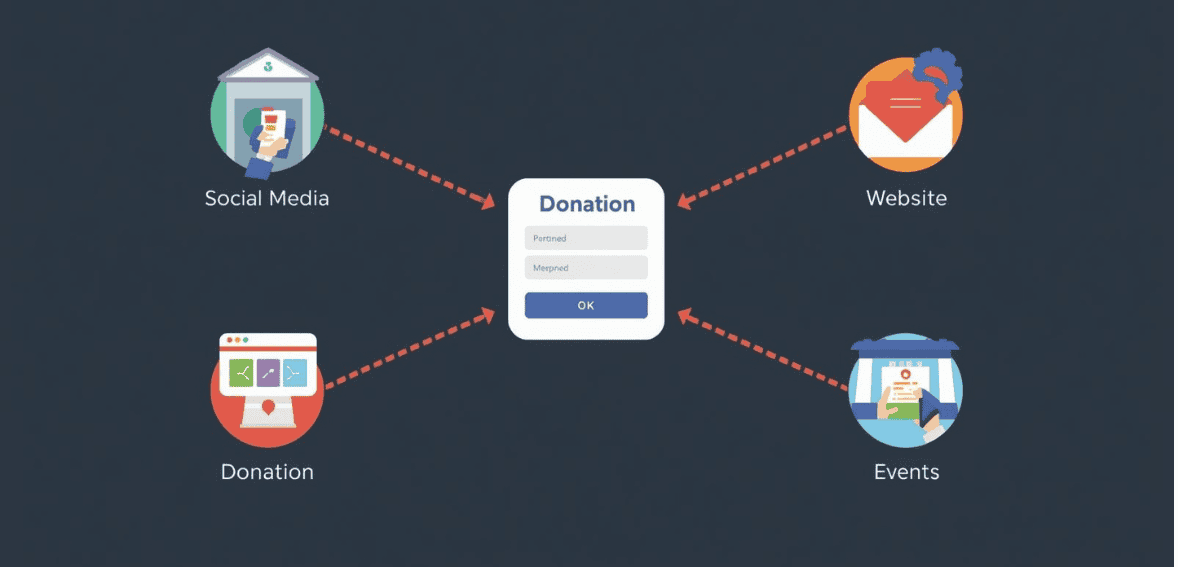
The donation form is the single most important point in your monthly giving program.
This is where potential donors decide whether to donate once or on a monthly basis.
To increase the likelihood of receiving recurring donations, you should:
- Make monthly donations the default choice.
- Display recommended monthly donation amounts.
- Keep your form short in length.
- Clearly communicate how their contributions will make a difference.
If your average one-time donation is $100, then create monthly options to test ($20, $30, $40).
Use the following methods to promote your monthly giving program:
- Emails
- Your website.
- Your thank you page.
Each fundraising campaign should offer a monthly donation option. The easier it is for donors to donate monthly, the more likely they are to choose monthly giving.
Onboarding New Monthly Donors: The First Month
Onboarding a monthly donor is essential, as the first 30 days will determine whether they stay with you long-term or discontinue the relationship.
Follow these steps to create an effective onboarding procedure.
1. Thank You
Acknowledge the donation with a quick thank-you (receipt). Donors expect immediate confirmation, so you need automation to assist with these deliveries.
2. Email Welcome Program
Over the first 30 days, you’ll want to send them 3 to 4 short emails that:
Welcome them and explain how their dollars will create an impact.
Tell them a story that shows actual change.
Share an update on something that happened behind the scenes.
Remind them of what they can do each month for the organization.
Utilize simple, easy-to-understand language and show them actual results.
3. Build Their Identity
Referring to them by your program’s name in all of your messaging will help build an emotional connection and sense of pride.
Overall, a quality onboarding process can help increase the retention rate of recurring gifts and build trust with your monthly donors.
Operations of Retention: Engagement and Saving Workflows
Nurturing a monthly giving program is an ongoing process.
Strong monthly donor stewardship includes:
- Quarterly impact reports per donor
- Annual donor summary
- Thank-you letters
- Invitations to special events
Donors still want to feel that their monthly gift truly matters. So don’t just forget them because their donation is automatic.
You should also have a “save” workflow in place. If someone calls to cancel their donation, ask them why and provide them with some easy options:
- Reduce the amount.
- Pause for a few months.
- Change the charge date.
Many donors cancel because of short-term financial stress. Giving them options helps them stay connected.
The right time to prompt donors to upgrade to a recurring gift is after 3 to 6 successful payments, as this usually gives them enough time to trust you.
Managing Payment Failure in Monthly Giving
Some donors’ cards expire, banks decline charges, and many donors do not even realize it has happened.
Without follow-up, your organization could quietly lose valuable donor support.
To recover failed recurring donations, make sure you have the following in place:
- Automatic retry processes
- Friendly reminder emails
- Clear links to update credit card information
- Multiple follow-ups if needed
Send the first reminder shortly after the charge is declined.
Keep the message simple:
We were unable to process your monthly donation. Please update your credit card information here.
A strong recovery process helps reduce lost revenue and keeps donors engaged.
CRM Configuration: Churn and Commitment Reporting
Keep your CRM organized and accurate when managing your monthly donor program.
You’ll want to know exactly where you stand in your monthly donor program.
Record the following items:
- Cancellations or pauses
- Failed and successful payments
- Updates to payment method
- Increases from upgrading
- Churn reasons
Leaders can use your recurring revenue dashboard to show:
- Number of monthly donors
- Gross revenue month to month
- Loss of revenue
- Number of new sustainers
When your CRM is organized, leaders will find it easier to make good decisions. If you don’t track, you guess.
Using a cloud-based donor management system (e.g., DonorPerfect, Neon) allows for a centralized place to track recurring donations (changes in payment methods or updates to information) and generate reports.
Key Performance Indicators (KPIs) for Monthly Donor Support
When scaling your recurring donor support program, it’s essential to know which KPIs are relevant.
Gross Monthly Revenue
Gross monthly revenue is the total of all recurring gifts received monthly.
Net Monthly Revenue
Net monthly revenue is gross revenue after accounting for gift cancellations and non-payments.
Churn Rate
Churn rate = % of recurring gift donors who cancel. The lower the churn rate, the better the retention rate of monthly gifts.
Upgrade Rate
The number of donors who increase their monthly recurring gift amount.
Average Monthly Gift
The average monthly gift can help suggest more accurate gift amounts.
Create a recurring revenue dashboard to track all of the above KPIs (and more) every month to help you see how small changes can contribute to a big increase in recurring gift revenue over time.
Conclusion
A monthly giving program brings security. It provides your organization with financial stability so you can focus on your mission rather than constant fundraising pressure. It increases donors’ lifetime value. It strengthens donor loyalty over time.
Your program needs careful development.
Develop a clear value promise for donors. Build an easy donation form. Develop a solid monthly donor onboarding process. Have a process in place to recover from failed payments to protect your revenue. Track everything in your CRM. Keep track of your key performance indicators.
When you treat your monthly giving program as a complete system, it can grow. Your fundraising becomes more organized. Your donors feel valued. Your mission gains the consistent support it needs to grow.
Now is the perfect time to build a scalable monthly giving program.
FAQs
How much should I ask monthly?
Typically, ask for a monthly amount that aligns with your average one-time gift. Try different amounts to find out how much donors are willing to give per month.
What is the best way to reduce monthly donor churn?
Strong stewardship and proactive payment recovery reduce monthly donor churn.
Should you create a brand for your sustainer program?
Yes. Naming your sustainer program gives it an identity and will increase your long-term retention of monthly donors.
What should we do if a monthly donor’s payment fails or their card changes?
Send an automated email reminder and track the failed payment clearly in your CRM.
When should you ask monthly donors to upgrade?
Monthly donors should be asked to upgrade after 3 to 6 successful payments and after a consistent effort to engage them with your organization.