
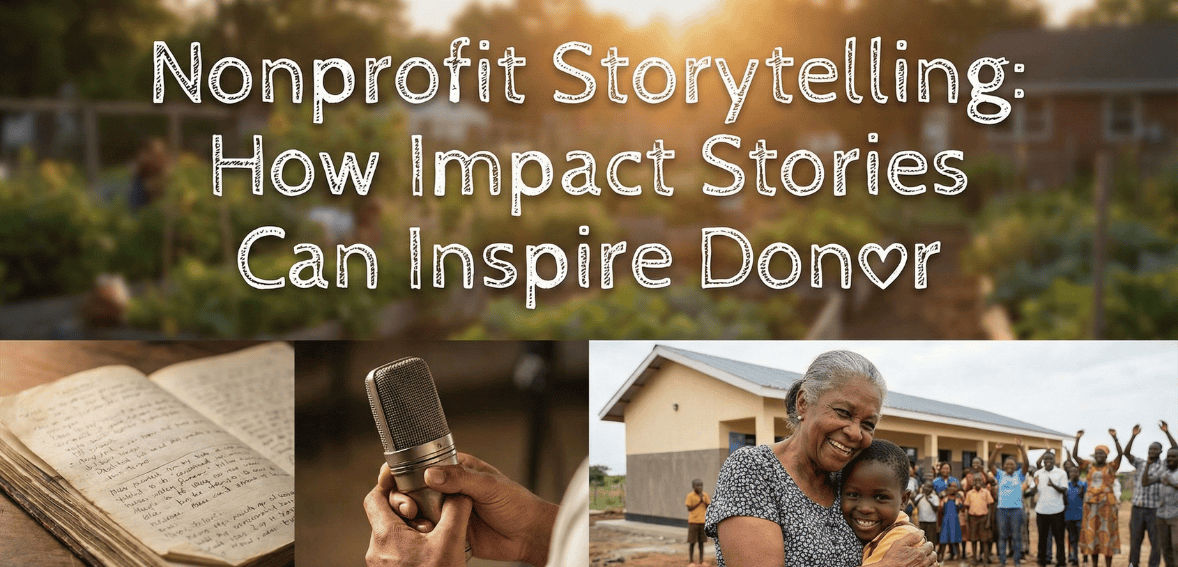
Nonprofit Storytelling: How Impact Stories Can Inspire Donor Support
Facts may inform, but stories inspire action. In today’s crowded fundraising landscape, nonprofits competing for attention cannot rely on statistics alone. To build lasting donor engagement, organizations must connect emotionally with supporters. This is where nonprofit storytelling becomes one of the most potent tools in fundraising and donor communications.
A well-told story turns an abstract mission into a human experience. It helps donors understand not just what you do, but why it matters and who it impacts. Research consistently shows that people remember stories far more easily than raw data, and donors are more likely to give when they feel emotionally connected to a cause.
This explores how nonprofits can find, craft, and share meaningful impact stories across campaigns and channels. From identifying strong narratives to using ethical storytelling practices, you’ll learn how to make your mission personal, memorable, and motivating for donors across the United States.
Why Storytelling Works in Fundraising

Humans are wired to respond to stories. Long before data dashboards and annual reports, stories were how people made sense of the world. Neuroscience research shows that stories activate brain regions associated with emotion, memory, and empathy, whereas facts alone tend to engage only logical processing.
For fundraising, this difference matters. A statistic might be impressive, but it rarely stays with a donor. A story about a real person, facing a real challenge, creates an emotional connection that donors remember long after they close the email or leave the event.
Consider the difference between these two messages:
- “Our program provided 1,000 meals last month.”
- “When James lost his job, he skipped meals so his children could eat. One evening, your support helped ensure his family had dinner—and hope—again.”
Both communicate impact, but only one invites empathy. That emotional response is what drives giving.
Storytelling is especially compelling in today’s environment, where donors are overwhelmed with appeals. Younger donors, in particular, tend to respond to authentic narratives that show real outcomes rather than polished marketing language. However, storytelling works across generations. A compelling narrative cuts through fatigue and helps donors understand the urgency and relevance of your work in a way charts and graphs cannot.
The Core Elements of a Powerful Nonprofit Story

Not every story automatically resonates. Effective nonprofit communications rely on narratives that are focused, authentic, and emotionally grounded. While stories can take many forms, the most potent impact stories usually share a few essential elements.
A Relatable Character
Every strong story starts with a protagonist. This could be a program participant, a volunteer, a donor, or even a staff member. What matters is that the audience can relate to them on a human level.
A character works best when:
- They feel honest and specific, not generic.
- Their experience aligns with your organization’s broader mission.
- Their dignity and agency are respected throughout the story.
A Clear Challenge
The challenge is the problem your organization exists to address. Without conflict, there is no story. This is where you describe what the character was facing before your nonprofit became involved.
The challenge should be explained clearly, without exaggeration. This is to help donors understand the stakes, not to shock them. Avoid language that portrays people only as victims; instead, focus on the circumstances and barriers they encountered.
Your Organization’s Role
In effective emotional fundraising, the nonprofit is not the hero of the story. The organization serves as a guide or helper. This is where you show how donor support made action possible.
Explain:
- What specific service, support, or intervention was provided?
- How donors made that support possible.
- Why this intervention mattered in the moment.
Resolution and Impact
Resolution does not always mean a perfect ending. It means showing progress, change, or hope. The audience should clearly see how the character’s situation improved—or is improving—because of the support they received.
This is also the moment to connect the story back to the donor. A simple line inviting readers to help others like the protagonist reinforces that their role matters.
Above all, authenticity is essential. Stories should be true, shared with permission, and told respectfully. If privacy is a concern, anonymized or composite stories can work, provided they reflect real experiences and are presented transparently.
Finding Stories Within Your Organization
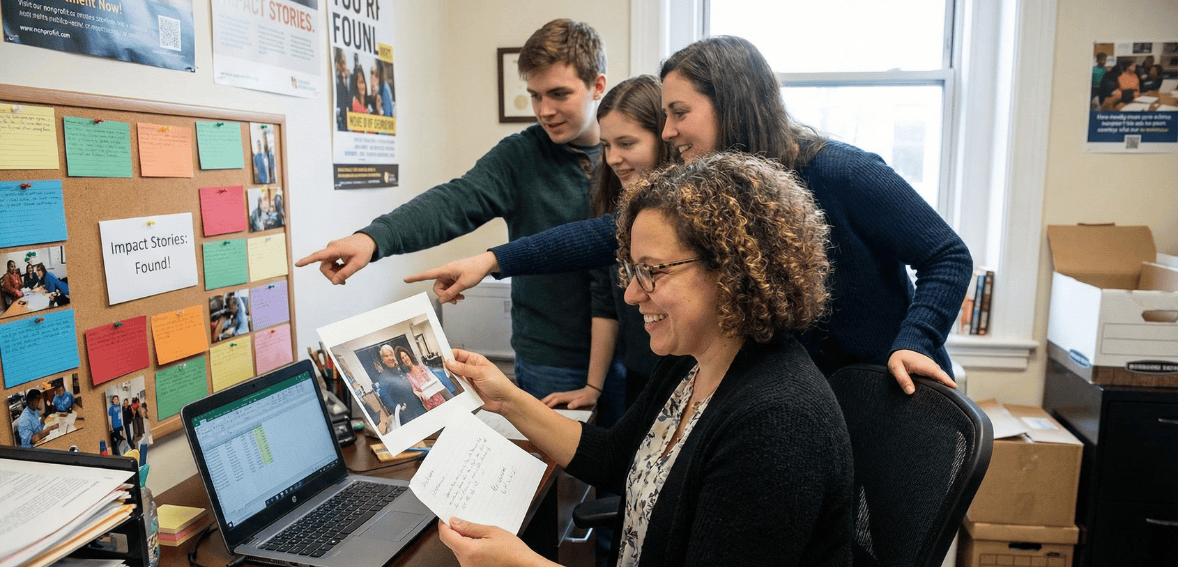
Many nonprofits believe they lack good stories, especially if their work feels technical or indirect. In reality, nearly every organization has meaningful stories—it’s often a matter of knowing where to look.
Start by asking simple questions internally:
- Who has been directly affected by our work?
- What moments made our staff or volunteers feel proud or emotional?
- When did someone’s situation noticeably change because of our efforts?
Stories can come from many sources, including beneficiaries, volunteers, donors, and staff. A donor’s reason for giving can be just as inspiring as a client’s journey, especially when shared peer-to-peer.
For organizations working in policy, research, or advocacy, focus on outcomes rather than processes. Even if your work operates behind the scenes, some real people benefit from the results. Highlighting those human outcomes brings abstract missions to life.
Media and Channels for Sharing Stories

Once you have strong stories, the next step is deciding how and where to share them. Different formats serve different purposes, but consistency across channels strengthens your overall storytelling marketing strategy.
Written Appeals and Emails
In fundraising emails and letters, stories work best when they lead. Open with a short narrative before transitioning into the ask. This approach grounds the request in emotion rather than obligation.
Keep stories concise and focused. A few well-written paragraphs can create a vivid picture without overwhelming the reader.
Events and Presentations
Live storytelling is compelling. Hearing directly from a beneficiary or watching a short video during an event creates a shared emotional experience. These moments often become the most memorable part of an appeal.
Social Media
Social platforms reward brevity and visuals. A single photo, paired with a short caption, can tell a complete story if it focuses on a precise moment of impact. Some organizations use short series to unfold a story over multiple posts, keeping audiences engaged over time.
Websites and Blogs
Your website should include a dedicated space for impact stories. This gives donors a place to explore real examples of your mission at work. Blog posts enable deeper storytelling and can be shared via email and social channels.
Thank-You Messages and Reports
Stories are not only for asking. Including a brief story in a thank-you email or impact update helps donors see the tangible results of their generosity. This reinforces trust and encourages long-term support.
As nonprofits scale their storytelling efforts, tools like Cloud Donor Manager can help organize stories, link them to campaigns, and personalize donor communications without altering the message’s tone or intent.
Ethical and Effective Storytelling Practices
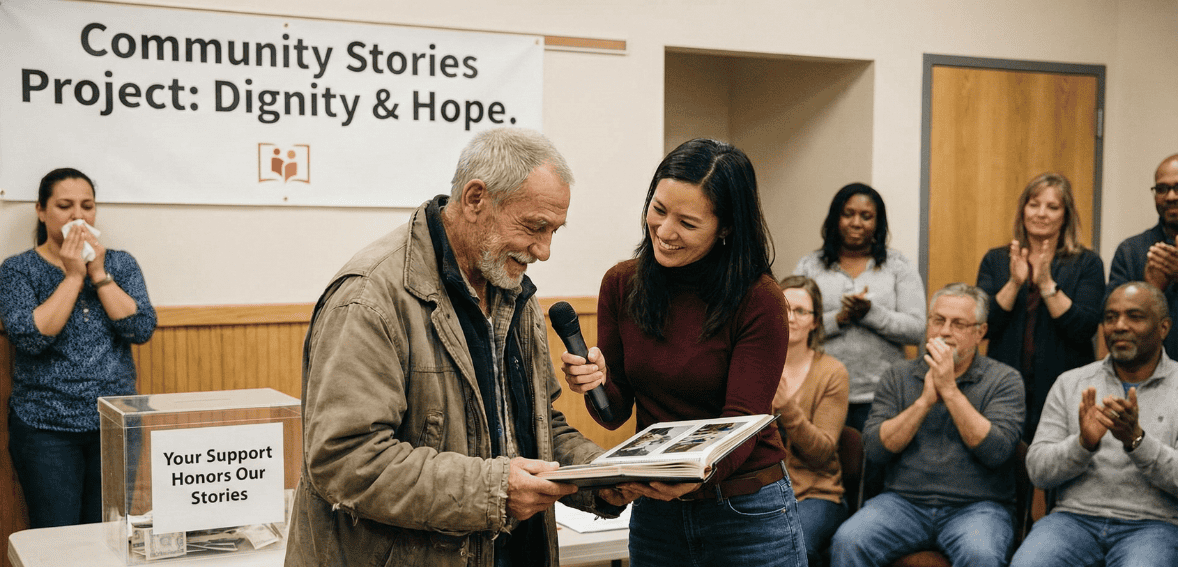
Storytelling carries responsibility. Because stories involve real people and authentic experiences, nonprofits must approach them with care.
Consent is essential. Always obtain permission before sharing someone’s story, and be transparent about how it will be used, including whether anonymity will be maintained or their image shared. Respect that choice fully.
Avoid exploitative storytelling. Emotional fundraising should never rely on shame, pity, or exaggerated hardship. Instead, focus on resilience, partnership, and possibility. The goal is empowerment, not sympathy.
It’s also essential to position donors appropriately. Donors are not the heroes of the story; they are partners who enable progress. This framing respects both the beneficiary’s dignity and the supporter’s role.
Finally, pay attention to what resonates—track engagement metrics, feedback, and donor responses to different stories. Over time, patterns will emerge that help you refine your approach without sacrificing authenticity.
Using Stories Without Overwhelming Your Audience

Attention spans are limited, especially in digital communications. Strong storytelling does not require long narratives; it requires focus.
Choose one moment that captures the heart of the story. Cut unnecessary details and keep the language clear and conversational. Editing is not about removing meaning—it’s about sharpening it.
For longer stories, provide layers. Share a brief version in emails or social posts, then link to a full story on your website for those who want to read more. This approach respects different engagement levels while still offering depth.
Telling Stories When Outcomes are Ongoing

Not every nonprofit can point to neat, finished success stories. Many missions involve long-term change, and that’s okay.
Stories can reflect progress rather than completion. Sharing a story mid-journey invites donors to be part of what comes next. This approach is convenient when paired with follow-up updates that close the loop later.
If outcomes take years, focus on milestones. A single step forward can illustrate momentum and reinforce that donor support is moving the mission in the right direction.
Building a Sustainable Story Collection Process

To use storytelling consistently, nonprofits need systems—not just inspiration. Story collection should be part of regular operations, not an afterthought.
Encourage staff and volunteers to note meaningful moments as they happen. Even brief observations or quotes can become the foundation for a full story later. Over time, this creates a content pipeline that reflects the organization’s real work.
Some nonprofits schedule regular interviews or story-gathering sessions, while others integrate storytelling into program evaluations or donor surveys. The method matters less than the commitment to listening and documenting.
When stories are organized alongside donor data, platforms such as Cloud Donor Manager can help teams align storytelling with outreach while keeping the focus on relationships rather than technology.
Conclusion: Turning Stories Into Lasting Donor Relationships
In a crowded fundraising landscape, stories are what make a mission memorable. Nonprofit storytelling is not about polish or persuasion—it is about helping donors clearly see the people and purpose behind your work. When supporters understand who is being helped and why it matters, giving becomes personal rather than transactional.
Consistently sharing authentic impact stories strengthens donor engagement over time. Instead of responding to isolated appeals, donors begin to feel connected to an ongoing journey. They see their role not as a one-time contribution, but as continued support that helps real people move forward.
Compelling storytelling also brings coherence to donor communications. When the same narrative thread appears across appeals, updates, thank-you messages, and reports, donors are reminded that their generosity drives tangible outcomes. This builds trust and reduces fatigue by showing supporters progress rather than simply asking for help.
Importantly, stories do not need perfect endings to be powerful. Honest narratives that show effort, resilience, and forward movement invite donors to be part of what comes next. That sense of shared purpose is what sustains long-term support.
Ultimately, donors may forget statistics and summaries, but they remember people. When nonprofits tell stories with care, respect, and clarity, they give supporters something lasting—a reason to stay engaged, to believe in the mission, and to continue standing alongside the cause for the long run.
Frequently Asked Questions
How do we find stories if our work feels abstract?
Even technical or policy-focused work affects people. Look for the human outcome of your efforts—a community, a family, or an individual whose life is shaped by your mission. Staff motivations and donor journeys can also serve as powerful narratives.
How long should fundraising stories be?
Fundraising stories should be long enough to create an emotional connection without overwhelming the reader. A strong opening and simple, concrete details help convey meaning quickly and keep attention.
What if we don’t have happy endings yet?
Stories do not need perfect conclusions. Sharing progress, hope, and ongoing efforts helps donors see where their support fits into the journey.
Can we use composite stories?
Yes, when privacy is a concern. Composite stories should be based on real experiences and presented transparently. Authenticity matters more than specificity.
Can we use composite or anonymized stories in nonprofit storytelling?
Yes, composite or anonymized stories can be used when privacy or safety is a concern. They should be grounded in real-world experience and reflect everyday situations rather than extreme cases. It’s essential to be transparent about the story’s representativeness so donors understand the context.