

What Should Happen After a Fund-a-Need or Paddle Raise Ends
Most nonprofits spend months planning the paddle raise. Very few plan what happens in the 48 hours after the last paddle drops.
That post-event window gap is where you can win or lose a donor. The energy in the room during a fund-a-need is electric, but that excitement is short-lived. A disorganized, slow, or generic follow-up process can cause pledges to be lost, erode trust, and discourage donors from giving more than once.
This guide outlines the steps to ensure you never lose a pledge, as well as the process you must put in place to convert a one-time donor into a long-term supporter.
Why the Post-Event Window Is Everything
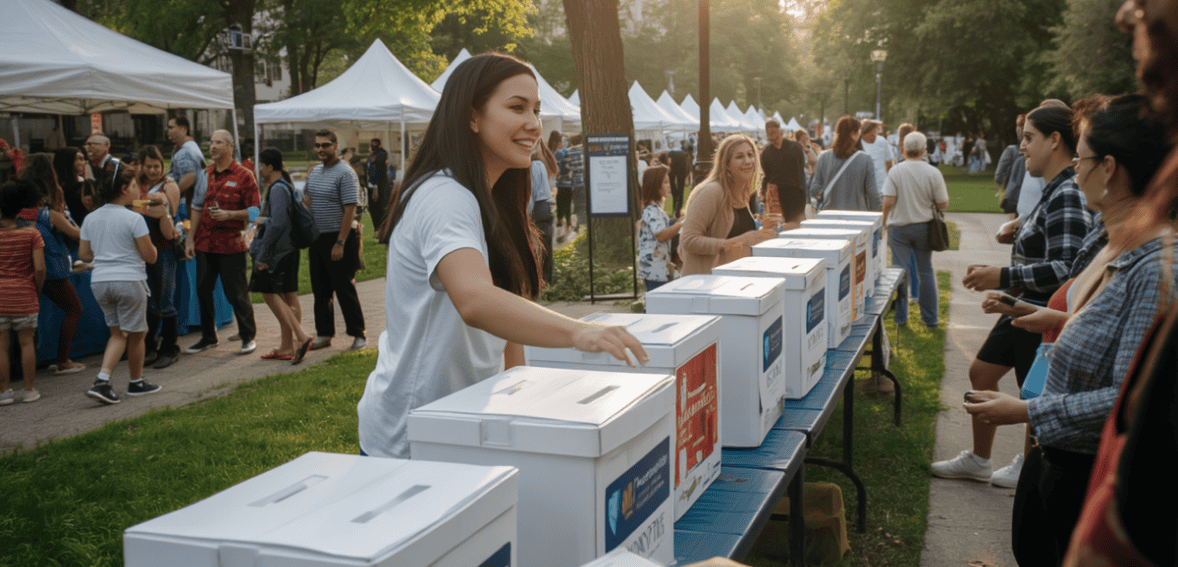
A fund-a-need (also called a paddle raise or raise-the-paddle) is one of the most powerful live fundraising formats. Guests raise their paddles at different giving levels, and the room collectively commits to a cause in real time.
The problem is what happens next.
Most companies fire off standard thank-you notes, process payments at their convenience, then forget about the whole thing. This behavior treats a fund-a-need as a transaction, but it is not. It’s the first step in a multi-part relationship, and how you handle post-event execution will determine if that relationship expands or disappears.
If donors feel acknowledged and appreciated after an event, they are more likely to donate again. Nonprofit Source reports that the donor retention rate for organizations with strong stewardship programs is nearly twice that of those without. The long-term value of a paddle raise depends on the follow-up.
Step 1: Capture Every Pledge Accurately Before the Night Is Over
Pledge accuracy establishes the framework for what follows. If you are unable to capture the correct information at the right moment, the entire process is compromised.
Your team is expected to capture and log each donor’s name, giving level, contact information, and preferred payment method as it happens throughout the event. Regardless of whether you use event fundraising software, bid sheets, or a manual checkout system, each pledge must be associated with a verified donor record before the event concludes.
Gaps happen most often during the chaos of checkout — when donors are saying goodbyes, picking up auction items, and finishing conversations. Assign a dedicated staff member or volunteer to pledge reconciliation during this window. Their only job is to match every paddle raise commitment to a confirmed guest record.
If a donor is overlooked at checkout, the opportunity to reach out to them is very time-sensitive. Because of this, it is critical to capture a mobile number and an email address at registration, not only at checkout.
Key actions before the venue closes:
Verify the total number of pledges for each giving level and report any missing payment methods. Export your pledge data to your CRM or donor management system before you go home. Do not wait until Monday morning.
Step 2: Send the Right Follow-Up Sequence — Starting Within 24 Hours
The fund-a-need follow-up for nonprofit teams should begin within 24 hours of the event. That is not optional. That is the standard.
Mention the specific project the donor has supported. Reference how their donation has had an impact. For example, “Your donation to the NICU building project has helped provide state-of-the-art equipment for the new NICU.” Thank them for their donation and tell them it is making a difference.
Here is a simple three-message follow-up sequence that works:
Message 1 – Thank You Letter (within 24 hours)
This letter should come from either the Executive Director or Board Chair. It should not be a bulk mail letter. It should be personal and warm. Include a short note about the impact the donation makes on your organization and/or the community.
Message 2 – Gift Receipt (within 48–72 hours)
This message should include the gift receipt for tax purposes, payment instructions (if payment was not collected at the event), and a link to the project the donor has funded.
Message 3 – Impact Update (within 2–4 weeks)
This message should include a photo from the project, a short story about a project beneficiary, and something to demonstrate that the donation has already had an impact.
This sequence does more than fulfill an obligation. It builds a narrative arc that makes the donor feel like a stakeholder — not just a check writer.
Step 2: Convert Event Excitement Into Recurring Support
The paddle raise is one of the highest-engagement moments your donors will ever experience with your organization. The energy is real. The emotional connection is real. Your job is to channel that energy into something durable.
Most organizations fail here because they treat the fund-a-need as a one-time campaign rather than a recurring giving entry point. Within your second or third follow-up message, introduce the option to become a monthly donor at a fraction of their event gift.
For example, if someone gave $500 at the paddle raise, invite them to consider a $50-per-month commitment. Frame it as a way to extend the impact of their one-time gift throughout the entire year. Many donors respond positively to this — especially when the connection to the cause is still fresh.
This section can also be used to offer donors membership in giving societies or named programs. For instance, a donor who contributes $1,000 during the event can be offered membership in a mid-level giving program, which includes special updates, access to program staff, and more. This type of structured engagement has proven to enhance giving program retention.
According to Bloomerang’s donor retention research, the likelihood of a donor giving again within a year increases greatly when they have some form of engagement within 48 hours of making a gift. The follow-up for fund-a-need is therefore not just about being polite, but rather about implementing a strategy.
Step 3: Reconcile Promises With Payments — and Handle Gaps Gracefully

Not every pledge automatically becomes a payment. That is a reality of live fundraising, and your team needs a clear process to handle it without damaging the relationship.
The first step will be to run a reconciliation report within 48 hours of the event. Pledges recorded during the fund-a-need should be compared with processed payments. Any open balances should be identified. These would include declined payments, pledges for which no payment method was collected, and verbal pledges without a payment method on file.
Any payments that declined should be followed up within 3–5 business days. This should be done using a non-accusatory tone. An example follows: “Your payment has not been processed. Please use the following link to complete your gift.” Donors usually appreciate the follow-up, as most declined payments were not intentional.
For verbal pledges that were not collected at checkout, the follow-up should be personal — ideally a phone call, not just an email. Verbal pledges carry social weight, and a brief, warm call from a development staff member or board member can convert them effectively. These are not awkward conversations. Donors who made a verbal commitment usually expect to be followed up with.
Maintain a 30-day limit on all open pledges. After the 30-day period, you may make one last collection attempt before closing the pledge record. Open pledges may exist for at most 60 days. After that period, collection becomes increasingly difficult, and pledges will distort revenue projections.
Step 4: Update Your CRM and Segment for Future Campaigns
Every donation, pledge, or interaction made during your fund-a-need event must be captured in your donor management system following reconciliation. This is not busywork. This is the foundation of the data infrastructure that will support your next campaign.
Segment your fund-a-need donors into logical groups based on giving level, first-time versus returning donors, and payment method. Tag them specifically as fund-a-need participants so you can track their lifetime engagement and compare year-over-year event performance.
Donors who participated in the paddle raise are unique and deserve additional follow-up. Their donations stemmed from a social fundraising event, where they were likely influenced more by their peers than by your organization’s mission. The follow-up you provide should strengthen the mission connection on its own.
Utilize DonorPerfect and other nonprofit customer relationship management tools to set automated reminders to follow up, monitor pledges, and identify lapsed donors before your next fundraising event. A well-tagged donor record from this year’s fund-a-need is beneficial for next year’s campaign.
Conclusion
The fund-a-need or paddle raise is a peak moment of philanthropic energy. But energy without execution is wasted. What happens in the 24–72 hours after the last paddle drops determines whether your donors feel like partners or afterthoughts.
Capture pledges accurately before you leave the venue. Launch a human, sequenced follow-up within 24 hours. Use the warm window to introduce recurring giving. Reconcile every promise with a payment. And log everything in your CRM so next year’s campaign starts stronger.
The organizations that treat post-event follow-up as seriously as event production do so with growing donor bases, higher retention rates, and fund-a-needs that grow every year. That is not a coincidence. It is a process.
Frequently Asked Questions
Q: How soon should a nonprofit send a thank-you after a fund-a-need?
Within 24 hours. The first message should be warm and personal — not a receipt. Donors are most emotionally connected to your cause immediately after the event, and a timely, genuine thank-you reinforces that connection before it fades.
Q: What if a donor’s payment declined after the paddle raise?
Reach out within three to five business days with a friendly, low-pressure message and a secure payment link. Most declines are accidental. A non-accusatory tone and a simple path to complete the gift resolve the majority of these situations without awkwardness.
Q: How do you convert fund-a-need donors into recurring supporters?
Introduce monthly giving in your second or third follow-up message, when the donor’s connection to the cause is still fresh. Frame it as a way to extend the impact of their one-time gift throughout the year. Offer an amount that feels accessible relative to their event gift — typically 10% of the one-time amount per month.
Q: What data should be captured from a fund-a-need for future campaigns?
At minimum: giving level, payment method, first-time vs. returning donor status, and whether the pledge was collected at checkout or followed up later. Tag all fund-a-need donors specifically in your CRM so you can track retention, compare year-over-year performance, and personalize outreach for future events.