

Preventing Burnout in Nonprofit Teams: Self-Care Strategies for Staff and Volunteers
Preventing burnout from occurring in nonprofit teams presents an urgent challenge that small nonprofits and churches throughout the United States must address, making preventing burnout in nonprofit teams a growing priority. Staff members and volunteers display intense dedication to their work, although they face resource limitations and must handle escalating demands from their communities. People who show dedication to their mission work face a dangerous situation because their dedication requires them to ignore their personal boundaries.
Burnout develops gradually when people work long hours, carry emotional stress, and feel pressure to sacrifice their own well-being for the mission. Organizations face three major risks when they fail to handle burnout among their employees: their experienced staff members leave, their donors lose trust, and their organizational performance declines.
Nonprofits can only succeed when their staff members are healthy and supported, which is why preventing burnout in nonprofit teams matters. Preventing burnout requires organizations to operate at a slower pace, which will restrict their mission progress. It protects the individuals who work to implement the mission daily.
Recognizing the Signs of Burnout in Nonprofit Teams
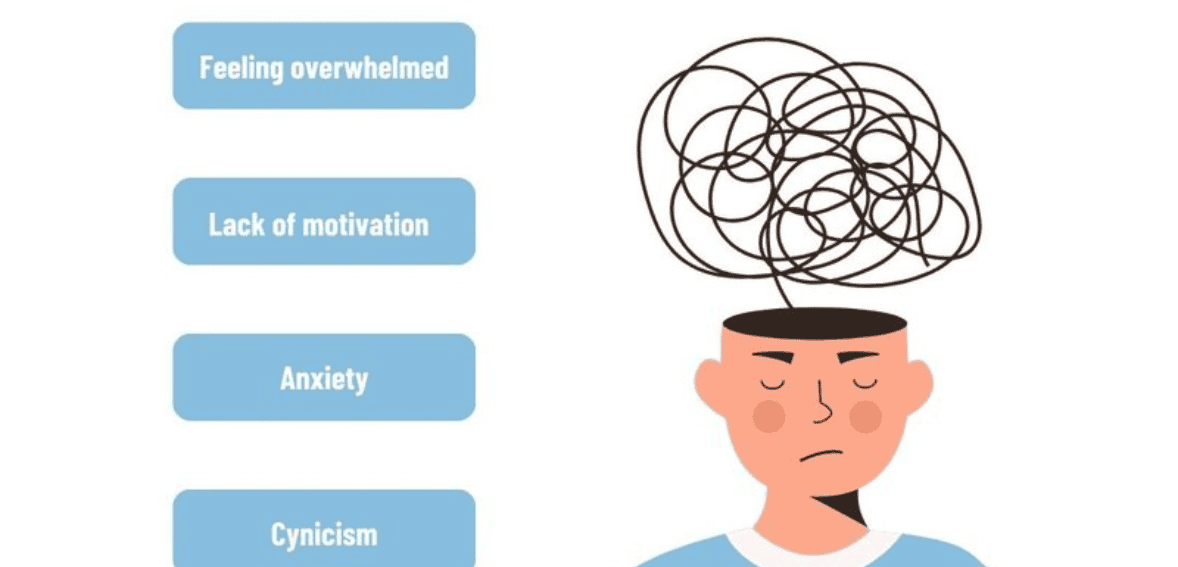
Recognizing burnout in nonprofit teams begins with identifying its signs, an essential step in preventing burnout. Nonprofit organizations need to understand risk factors that lead to burnout when their employees dedicate themselves to their work duties. Most people need their first rest period because teachers experience exhaustion throughout the day, which prevents them from maintaining concentration. Team members may feel tired even after rest and struggle to stay focused throughout the day.
Emotional changes are another warning sign tied to preventing burnout in nonprofit teams. Team members who experience increased irritability, together with frustration and social withdrawal behavior, demonstrate their need to seek professional help. Staff may stop sharing ideas or avoid meetings. Volunteers may cancel shifts or quietly disengage. Performance can decline, deadlines may be missed, and small mistakes become more frequent.
Burnout spreads through small nonprofit organizations because their staff members lack adequate resources, making preventing burnout in nonprofit teams more difficult. When one person is overwhelmed, others absorb the extra work. This creates ongoing stress that spreads across the entire organization. Identifying problems at an early stage enables leaders to manage their organization because they want to prevent burnout from escalating into a critical situation.
Also Read: Transparency and Accountability: Building Donor Trust Through Open Communication.
Understanding Why Burnout Is Common in Small Nonprofits

Burnout occurs frequently in small nonprofit organizations because teams work with limited staff and resources, which directly impacts the ability to prevent burnout in nonprofit teams. The small organizations need to manage their limited staff members and their restricted financial resources while meeting their operational demands. People must handle their responsibilities for program management, fundraising, communications, and administrative tasks.
The majority of nonprofit workers experience a strong emotional bond with their job responsibilities, which helps prevent burnout in nonprofit teams. They perceive the effects of unfulfilled requirements and assume a personal duty to address the missing resources. Volunteers who stay with the organization for an extended period might experience guilt when they want to decrease their involvement because they understand the organization relies on their presence.
In small nonprofits, passion and limited resources often lead to a culture of overwork, making preventing burnout in nonprofit teams more challenging. The organization allows burnout to develop into a cultural norm, which it treats as a problem that needs resolution.
Nonprofit leaders play a central role in preventing burnout across their teams, especially when focusing on preventing burnout in nonprofit teams. Leaders shape how staff work, manage their time, and care for their own well-being. The operations of small nonprofit organizations depend more on their actual activities than on their established procedures.
When leaders send emails late at night or work through weekends, it creates an unspoken expectation that staff should always be available, which prevents burnout in nonprofit teams. The organization promotes rest through its official statements, but actual conduct demonstrates its stronger message.
How Leaders Set Healthy Expectations
Leaders establish direct work hour requirements, response time standards, and time-off policies through their efforts, supporting the prevention of burnout in nonprofit teams. The organization requires its staff members to take breaks from work during nighttime hours, while the organization implements a policy that prohibits staff members from working during weekends. The organization requires employees to take vacation days because this practice establishes that rest serves as a basic requirement for work.
Why Modeling Balance Matters
When leaders take breaks and protect their own well-being, they give permission for others to do the same, reinforcing the prevention of burnout in nonprofit teams. This activity establishes trust while it decreases anxiety about establishing personal limits. Teams that operate under balanced leadership perform with increased strength and create teams that develop their power through training.
Practical Self-Care Strategies for Nonprofit Staff

Nonprofit teams experience burnout because their members observe different personal behaviors, which directly affect the prevention of burnout in nonprofit teams. Nonprofit organizations can practice self-care without spending money on high-priced programs and without needing to adopt impractical daily practices. The program requires users to execute minor tasks, which help them maintain their energy and concentration.
People can use time management to achieve their objectives as part of preventing burnout in nonprofit teams. Engineers use task impact assessment to create their work schedule, which minimizes urgent work requirements. People can work effectively by dividing their projects into smaller tasks that they can finish.
People need to establish personal boundaries, which should become their main priority when preventing burnout in nonprofit teams. Staff members should set clear boundaries, such as turning off work notifications in the evening to protect personal time. It is necessary to say no to others when they request work because your current responsibilities exceed your available time.
How Staff Can Manage Workload Realistically
Workload management begins when people share their current work status through open dialogues, supporting the prevention of burnout in nonprofit teams. The organization needs to create an environment where employees can talk about their work limits with their managers. The organization can prevent future employee stress by implementing task redistribution and deadline modifications before the actual work begins.
Why Rest Improves Performance
Rest improves focus, creativity, and decision-making, which strengthens the prevention of burnout in nonprofit teams. The organization establishes staff wellness through work breaks, which allow employees to recharge before they return to work.
Supporting Volunteers to Prevent Burnout
Nonprofit organizations should include their volunteer workers when they develop strategies to stop burnout, which is essential to preventing burnout in nonprofit teams. Volunteers who dedicate themselves to their work experience burnout when they attempt too many tasks over an extended period. Many volunteers balance their service activities with their employment responsibilities, family commitments, and personal tasks.
Organizations need to establish clear role definitions, which will protect their volunteer workers and help prevent burnout in nonprofit teams. The specific requirements of a task enable volunteers to distribute their work schedule better. Rotating duties protects against excessive work assignments to particular team members.
Organizations need to show appreciation for their volunteer workers who handle their tasks as part of preventing burnout in nonprofit teams. Recognition of achievements can occur through various methods that do not require formal procedures. Volunteers feel valued and connected through three things: genuine appreciation, performance feedback, and knowledge about their contribution to the organization’s goals.
How Rotation Reduces Volunteer Burnout
Rotating tasks enables volunteers to maintain their interest in their work while protecting them from burnout, supporting the prevention of burnout in nonprofit teams. The organization develops operational flexibility through the training of multiple employees in various job functions.
Why Appreciation Sustains Commitment
Volunteers who observe their work results together with receiving recognition achieve heightened motivation, which supports preventing burnout in nonprofit teams. The state of feeling valued serves as a protection against burnout.
Encouraging Open Communication and Team Support

Nonprofit teams need an environment where people feel safe sharing concerns and supporting one another, which strengthens the prevention of burnout in nonprofit teams. Nonprofit organizations need effective communication systems to stop their teams from experiencing burnout. Teams need safe spaces to discuss stress, workload, and emotional challenges. Checking in with people on a regular schedule allows us to identify their problems at an early stage.
Trust develops through open dialogue, which supports preventing burnout in nonprofit teams. People who know that they can speak their minds without being judged will seek assistance before they experience burnout.
How Regular Check-Ins Build Resilience
Leaders use brief conversations that occur at set times to monitor their team’s workload capacity, reinforcing the prevention of burnout in nonprofit teams. These moments create opportunities for adjustment and support.
The Role of Peer Support
Peer support reduces isolation and contributes to preventing burnout in nonprofit teams. Mentorship or buddy systems encourage team members to look out for one another. Shared understanding strengthens connection.
Leveraging Help and Resources Effectively

Nonprofits need to manage outside help and resources carefully to reduce team stress, which supports preventing burnout in nonprofit teams. Nonprofit organizations need to recognize their need for assistance to prevent team burnout. The belief that small nonprofits must handle all tasks internally creates unnecessary pressure on their staff members.
The organization can reduce its operational demands by recruiting more volunteers and interns and hiring temporary workers during peak work periods, supporting the prevention of burnout in nonprofit teams. Resource sharing and organizational collaboration become possible through partnerships between different organizations.
Teams rely on technology systems to manage daily tasks more efficiently, which helps prevent burnout in nonprofit teams. The system streamlines administrative operations, which lets employees devote their time to essential organizational objectives. Organized systems create structured environments, which decrease both mental confusion and exhaustion.
The Role of Technology in Supporting Employee Mental Health
Staff members achieve better work efficiency through tools that provide clear guidance and prevent them from doing the same task multiple times, supporting the prevention of burnout in nonprofit teams, and assist them in managing their time. The system enables teams to concentrate on essential tasks while avoiding the burden of administrative duties.
The Importance of Recognizing Progress Through Celebrations
The act of celebrating accomplishments helps to restore their drive, which supports preventing burnout in nonprofit teams. Recognizing achievements shows teams that their efforts create actual effects on their work.
Balancing Mission Urgency With Sustainability

Nonprofit teams need to balance their urgent work requirements with their need to maintain staff members’ health to prevent burnout, which is central to preventing burnout in nonprofit teams. The essential nature of missions generates a constant need for work, which results in worker exhaustion. Sustainable impact comes from steady, focused effort.
Organizations need to determine which activities will bring them maximum benefits through their primary operations as part of preventing burnout in nonprofit teams. Organizations should focus on essential tasks when their resources become restricted because it helps them achieve better results. The organization should concentrate on fewer tasks because it enables them to perform their work at a higher standard.
Sustainability protects both individuals and organizational programs and supports preventing burnout in nonprofit teams. Healthy work patterns enable organizations to maintain their community service operations throughout all periods.
Conclusion
Nonprofit organizations need to protect their staff members from burnout because their mission work requires continuous protection, making preventing burnout in nonprofit teams essential. Burnout affects individuals, weakens organizations, and limits community impact. Nonprofit organizations can create better work environments through early warning sign identification, balanced culture development, staff and volunteer assistance, and resource management. People who experience support, value, and rest periods gain a better ability to serve their work with dedication and purpose throughout their entire career.
FAQ
How can small nonprofits reduce burnout with limited resources?
Organizations should concentrate on their essential tasks while maintaining open communication channels and establishing collective duty, which supports preventing burnout in nonprofit teams. Workload management requires only minor adjustments, which will produce significant outcomes.
What role does leadership play in preventing burnout?
Leaders establish organizational standards through their actions. Leaders who maintain equilibrium between their work responsibilities and personal life help their teams develop better health and efficiency, supporting the prevention of burnout in nonprofit teams.
How can we stop volunteers from experiencing burnout?
Organizations should implement responsibility rotation while conducting regular check-ins and demonstrating appreciation to their staff as part of preventing burnout in nonprofit teams. Volunteers remain dedicated to their work when they receive recognition as important members of the team.
Is self-care realistic in nonprofit work?
Yes. Self-care includes simple habits like setting boundaries, managing time, and taking regular breaks, which contribute to preventing burnout in nonprofit teams.
Why is preventing burnout important for long-term impact?
Healthy teams produce more results through their creative abilities and dedication to their work. Burnout prevention shields individuals from harm while boosting organizational effectiveness through mission success and preventing burnout in nonprofit teams.