
Top 2026 Giving Trends Nonprofits Need to Know
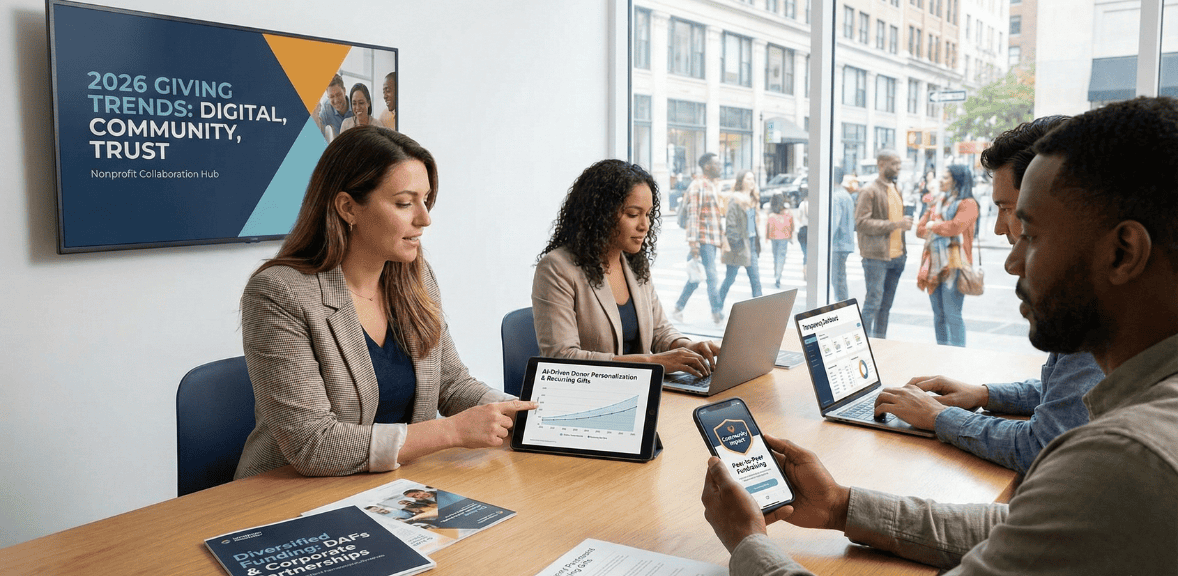
As the nonprofit sector enters 2026, organizations across the United States are navigating one of the most transformative periods in philanthropy in more than a decade. Donors are giving with heightened intention, choosing causes that reflect their personal values and expecting unmistakable evidence that their contributions create real and lasting impact. Economic conditions remain unpredictable, yet charitable support continues to grow, showing that generosity is deeply rooted in American culture even during periods of uncertainty. These giving trends 2026 reveal a landscape shaped by rapid digital acceleration, demographic change, increasing expectations for transparency, and a renewed emphasis on community-driven action. For nonprofit leaders, understanding these forces is no longer optional; it is essential for building sustainable fundraising strategies and maintaining trust with supporters who want consistent engagement and meaningful outcomes. As these nonprofit trends unfold, organizations that pay close attention to donor motivations, invest in adaptable systems, and communicate clearly will be best positioned to succeed in a competitive, rapidly evolving philanthropic environment.
Record-High Giving Volumes Signal a Strong Charity Landscape
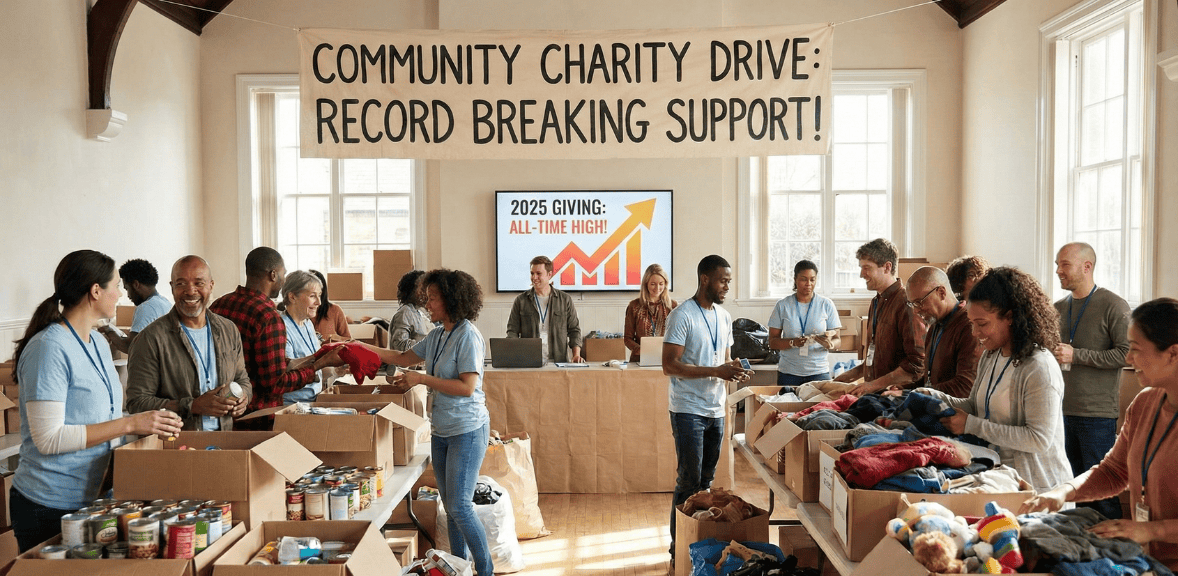
Giving in the United States reached its highest level on record in 2024, increasing by more than 6% from the prior year and outpacing inflation in real terms. This rise occurred across nearly all major nonprofit categories, suggesting that donor confidence was broad-based rather than limited to a single sector. Many households increased their contributions as consumer confidence strengthened and investment portfolios improved, creating a favorable environment for philanthropy. Growth in corporate giving also reflected strong earnings and an increased interest in community involvement, creating additional momentum for nonprofits that rely on diversified revenue streams. These results show that charitable giving continues to keep pace with economic expansion, offering reassurance that donors remain committed even when financial conditions shift.
At the same time, nonprofits are noticing that the total number of donors is not increasing at the same rate as overall dollars, which indicates that fewer individuals are giving, but those who do are giving more. This consolidation of donor participation means organizations must focus on deeper stewardship, more transparent communication, and stronger retention strategies to maintain stability during periods of change. Many teams rely on data from donor databases or individual donor records to analyze patterns in giving frequency, average gift size, and year-over-year donor engagement, enabling them to tailor communications to those most likely to continue supporting the mission. Although the headline numbers present a promising picture for 2026, nonprofits must not assume these gains will automatically continue without careful relationship-building and data-informed decision-making.
Donor Behavior Is Shifting Toward Consistency and Predictability

A defining feature of modern donor behavior is the rapid rise of recurring giving, which has become a preferred method for more than half of today’s donors. Recurring donations provide a stable, predictable funding source for nonprofits and offer donors a convenient way to support causes they value without needing to make repeated decisions throughout the year. Average monthly and one-time online gifts increased over the past year, showing that supporters are willing to stretch their contributions when they feel aligned with an organization’s mission and trust its outcomes. Donors increasingly value clarity about how funds are used, prompting nonprofits to improve impact storytelling, financial transparency, and acknowledgment workflows that reinforce the supporter’s personal connection to the cause. Organizations that elevate communication quality and respond promptly to donor actions often see stronger retention, especially among mid-level contributors.
Recurring donors are also among the most engaged in a nonprofit’s audience, and their loyalty creates opportunities for more personalized stewardship. By reviewing engagement data in a cloud donor manager, development teams can identify patterns that show which donors are likely to renew, upgrade, or lapse. This helps staff refine messaging strategies for different segments and encourages consistent outreach even outside campaign seasons. As overall donor counts decline nationally, maintaining meaningful relationships with those who remain becomes increasingly essential. Nonprofits that nurture recurring donors with individualized updates and clear evidence of impact will benefit from a more resilient donor base heading into 2026.
Digital and Tech-Enabled Giving Continues Accelerating

Digital transformation remains one of the strongest fundraising trends shaping how supporters interact with charities. Nearly half of all online donations last year were made on mobile devices, underscoring the importance of designing donation pages that load quickly, adapt to small screens, and enable donors to complete transactions with minimal friction. A donor who encounters confusing navigation or slow processing is more likely to abandon the gift entirely, making digital optimization a priority for nonprofits of all sizes. Younger and older donors alike have become accustomed to user experiences shaped by banking and e-commerce platforms, so expectations for speed and convenience are higher than ever. Organizations that streamline their digital giving pathways will see improved conversion rates as mobile adoption continues growing in 2026.
Emerging digital channels, such as cryptocurrency donations, are also gaining attention, though they still account for a small share of total giving. Some donors prefer to contribute digital assets for tax or personal reasons, and nonprofits that accept these formats are expanding access for tech-savvy supporters. Social media fundraising continues to grow, with individuals frequently mobilizing friends and followers for causes they care about, especially during giving days or in response to urgent needs. This peer-driven energy demonstrates how donors increasingly see themselves as partners in the fundraising process rather than passive contributors. Many nonprofits track these interactions using data synced automatically through systems such as a cloud donor manager, enabling them to identify new supporters and understand which channels drive the strongest engagement.
Technology is also being used to enhance the donor experience. Some organizations incorporate immersive digital storytelling into events, allowing supporters to explore the communities or environments affected by their contributions virtually. Although still emerging, these tools deepen donor understanding and strengthen connection to the mission in ways traditional materials cannot. The overarching trend is that donors want convenience, authenticity, and emotional resonance, and technology enables nonprofits to deliver all three when implemented thoughtfully. As digital habits evolve, organizations that invest in user-friendly systems, responsive communication, and integrated data will be best equipped to meet donors where they are.
Collective and Community-Centered Giving Gains New Energy

A growing number of Americans are turning to collective giving models, including giving circles and community collaboratives, to experience firsthand the work of charitable organizations alongside others who share their values. This philanthropy model allows participants to pool resources, discuss priorities, and jointly select recipients, fostering a sense of shared ownership of the impact they create. Collective giving is expected to double over the next few years as donors seek more democratic and transparent engagement models. Many individuals appreciate having a voice in decisions and enjoy the relational aspect of working together to address community needs. This form of philanthropy resonates especially with younger donors who value collaboration and visibility of impact.
Local giving movements are gaining momentum as well. Neighborhood-based campaigns, community response funds, and grassroots initiatives are becoming stronger channels for donor participation, particularly during times of economic uncertainty or social change. Donors value seeing results firsthand and feeling connected to efforts that directly affect their communities. Nonprofits that participate in or support these local efforts often discover new donor segments that might not respond as strongly to traditional campaigns. Understanding which supporters participate in community events or collective opportunities is easier when donor engagement data is consolidated in a single platform, enabling organizations to identify shared interests and tailor communications accordingly.
Collective giving also broadens accessibility by enabling individuals with modest budgets to make meaningful contributions as part of a larger group. This inclusive structure can counteract the national decline in donor participation by inviting more people into philanthropy in ways that feel empowering and community-driven. As nonprofits prepare for 2026, recognizing the growing influence of collective models will be essential for building stronger community ties and understanding how donors want to engage beyond financial transactions.
Generational and Demographic Shifts Are Reshaping Philanthropy

Demographic change remains a significant force behind philanthropic statistics and giving patterns across the United States. Baby Boomers, who continue to contribute the highest total amount among all generations, generally prefer consistent communication, trust in long-established institutions, and value clarity in updates. Their giving behaviors strongly influence national totals, making it essential for nonprofits to maintain thoughtful stewardship for this group. Generation X and Millennials, who make up much of the current workforce, increasingly expect personalized communication and measurable outcomes. They want to understand how their contributions create change and appreciate transparent explanations backed by real results rather than broad claims.
Gen Z is emerging as a particularly influential demographic despite lower average income, as they often give a higher percentage of their earnings and respond vigorously to causes shared on social media. Many are motivated by equity, climate, and immediate community needs, and they prefer to engage through digital channels that enable quick interaction. Surveys show Gen Z donors are far more likely than Boomers to post about their giving online, reflecting their desire to influence peers and build collective momentum. These patterns suggest that nonprofits should tailor communication to address the motivations, values, and preferred platforms of each generation.
As donor expectations vary across age groups, nonprofits that rely on data-informed, segment-based messaging are seeing stronger engagement. Some organizations use tools integrated with their donor management systems to understand better how donors of different ages respond to email, social content, or mobile giving experiences. Recognizing generational differences allows nonprofits to refine storytelling, adjust tone, and address the specific outcomes each audience cares about. With generational turnover continuing in 2026, embracing these nuances will help organizations expand their outreach while maintaining strong relationships with long-time supporters.
Conclusion
The landscape of American philanthropy is entering a new chapter, driven by evolving donor expectations, digital transformation, community-centered action, and generational shifts. Rising donation totals are encouraging for 2026, but nonprofits must continue refining their approaches to keep pace with shifts in donor habits and communication preferences. The influence of recurring giving, mobile-first experiences, collective models, and generational values will shape how organizations connect with supporters in the coming years. Success will depend on maintaining transparency, strengthening stewardship, and using data to create meaningful interactions that resonate with each audience.
As these giving trends in 2026 continue to evolve and new nonprofit trends emerge, organizations that listen closely to their supporters and respond authentically will be best positioned to advance their missions in a dynamic philanthropic environment. The stakes are high, but so are the opportunities. Donors are not stepping back from generosity—they are stepping forward with clearer expectations and a stronger desire for partnership. Nonprofits that embrace this moment with openness, adaptability, and purpose will not only secure the resources they need but also build deeper trust with the communities they serve. The future of giving is already taking shape, and organizations willing to innovate while staying grounded in their mission will lead the way in defining what meaningful, sustainable philanthropy looks like in 2026 and beyond..
FAQs
How did charitable giving perform in 2024, and what does it indicate for 2025?
Giving in the United States rose by more than 6% in 2024, outpacing inflation and reaching its highest total on record. Growth across nearly every nonprofit category shows donors remain confident in supporting organizations they trust. This momentum provides a strong foundation for 2025, though nonprofits should focus on retention and outreach, as donor participation remains uneven.
What major donor behavior changes are emerging?
Recurring giving is the most substantial behavioral shift, with more than half of donors enrolled in monthly programs and average gift sizes climbing. Mobile giving and online engagement continue rising as donors expect faster, simpler donation experiences. Nonprofits that strengthen communication and personalization will be better positioned to retain donors in a competitive environment.
Which new fundraising methods or platforms are gaining attention?
Cryptocurrency giving, peer-to-peer social fundraising, mobile payment options, and immersive digital storytelling tools are becoming more common. These methods broaden accessibility and meet donors where they already spend time online. Adoption varies across organizations, but each reflects growing demand for flexible, tech-forward giving experiences.
What generational trends are affecting philanthropy?
Baby Boomers continue contributing the largest share of dollars, while Gen X and Millennials increasingly value transparency and measurable results. Gen Z is becoming a powerful force driven by digital engagement and social impact priorities. Nonprofits that adapt messaging for each demographic will see stronger long-term retention.
What is collective giving, and why is it growing?
Collective giving involves groups pooling donations and deciding together how funds are allocated, creating shared ownership and a stronger community connection. It is expanding quickly because people want democratic engagement and clear visibility into impact. This approach supports donor inclusivity and brings new supporters into philanthropy.