
Volunteer Engagement Strategies: Turning Volunteers into Donor Ambassadors
Volunteers are often described as the backbone of nonprofit organizations, but their value goes far beyond the hours they give. In many nonprofits across the United States, volunteers are among the most emotionally connected supporters of the mission. They see the work up close, build relationships with staff and beneficiaries, and experience firsthand how their efforts make a difference. This deep connection places nonprofit volunteers in a unique position—not only as helpers, but as future donors and fundraising ambassadors.
Strong volunteer engagement does more than improve retention or morale. When approached thoughtfully, it can lead to meaningful financial support and long-term advocacy. Research consistently shows that people who volunteer are significantly more likely to donate to the organizations they serve. That connection does not happen automatically. It is the result of intentional volunteer stewardship, trust-building, and clear communication about impact.
This explores how nonprofits can strengthen relationships with volunteers and naturally encourage them to become donors and volunteer fundraisers. By focusing on respect, transparency, and purpose, organizations can turn volunteer involvement into a powerful extension of their fundraising strategy—without pressure or transactional messaging.
Why Volunteers Make Great Donors
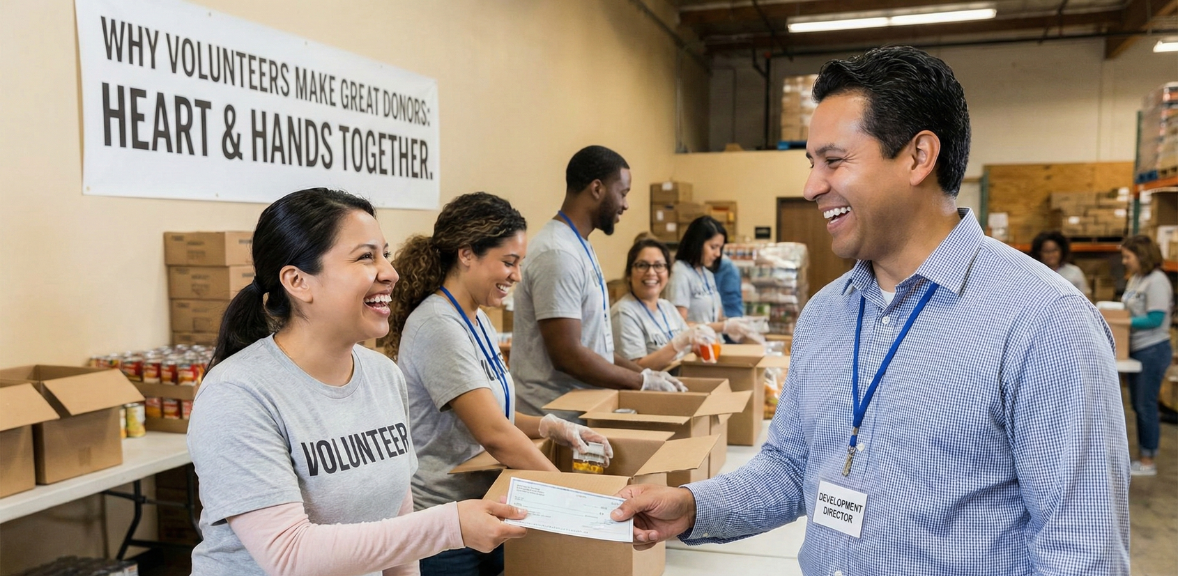
Nonprofit volunteers are already invested in the mission in ways that many first-time donors are not. They give their time, energy, and skills because they believe in the cause. This commitment creates a strong foundation for long-term support, including financial giving.
Volunteers have a deeper understanding of how an organization operates. They see the challenges, the successes, and the real people impacted by the work. This insider perspective builds trust and emotional connection, two key drivers of charitable giving. Studies have found that volunteers are roughly two-thirds more likely to donate to organizations they serve than non-volunteers, making them a natural audience for donor cultivation.
Beyond likelihood to give, volunteers often become loyal supporters over time. Their donations may start small, but consistency matters more than size. A volunteer who provides each year and advocates for the organization within their personal network can be just as valuable as a larger one-time donor.
Volunteers also bring credibility. When they talk about the organization, their message carries authenticity. Friends, family members, and colleagues know their support is based on lived experience, not marketing materials. This credibility is why volunteers are often effective peer fundraisers and ambassadors.
Recognizing volunteers as potential donors does not mean assuming they should give. Instead, understanding their existing commitment makes them well-positioned to choose to provide when the relationship is managed with care.
Deepening Engagement and Trust Through Meaningful Experiences
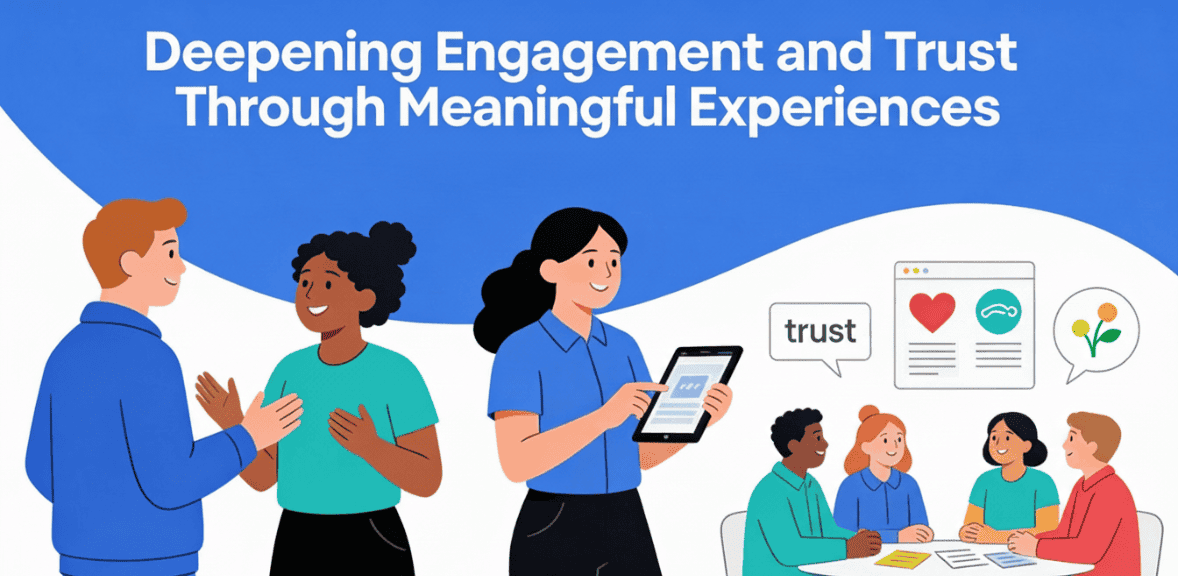
The foundation of volunteer-to-donor conversion is trust. Volunteers are more likely to give when they feel respected, informed, and genuinely valued. That trust is built through the volunteer experience itself.
Meaningful roles are essential. Volunteers want to know that their time matters and that their work contributes to real outcomes. Assigning tasks that align with a volunteer’s skills and interests shows thoughtfulness and respect. It also increases satisfaction and long-term engagement.
Training is another essential element. When volunteers understand not just what to do, but why it matters, they feel more connected to the mission. Orientation sessions, pre-project briefings, and regular updates help volunteers see the bigger picture. This context strengthens emotional investment and reinforces the organization’s credibility.
Showing impact is especially powerful. Volunteers who can clearly see how their efforts contribute to results are more likely to deepen their support. Impact communication does not need to be complicated or data-heavy. Simple stories, outcomes, and examples can be compelling when shared consistently.
Strong volunteer engagement practices include:
- Clear communication about goals and expectations
- Opportunities for feedback and dialogue
- Consistent appreciation and acknowledgment
- Transparency about challenges and progress
When volunteers feel trusted and informed, they are more likely to support the organization financially. Giving becomes a continuation of their involvement, not a separate or unexpected request.
Inviting Volunteers to Give—Tactfully and Respectfully

One of the most common concerns nonprofits have is how to invite volunteers to donate without making them feel uncomfortable or obligated. The key is choice. Volunteers should never think that financial giving is expected or required as a condition of service.
The most effective approach is inclusion rather than solicitation. Volunteers should receive the same fundraising communications as other supporters, with language that acknowledges their role and thanks them for their service. This communicates that giving is optional, not required.
Timing also matters. Invitations to give are most appropriate after trust has been established and impact has been demonstrated. A volunteer who feels appreciated and informed is more likely to respond positively than someone who feels undervalued or disconnected.
Organizations can create low-pressure opportunities for volunteers to give by:
- Including them in annual appeals with volunteer-specific messaging
- Sharing campaign updates that explain goals and outcomes
- Offering optional giving opportunities at volunteer appreciation events
These moments allow volunteers to self-select into giving. Some will choose to donate immediately, while others may need more time. Both responses should be respected.
It is also important to acknowledge that not all volunteers can contribute financially. Their time is already a valuable contribution. Maintaining respect for all forms of support preserves trust and ensures that volunteers who cannot give remain engaged and appreciated.
Empowering Volunteers as Fundraisers and Ambassadors

In addition to giving themselves, many volunteers are willing to help raise funds if they feel confident and supported. Volunteer fundraisers extend an organization’s reach by sharing the mission with their own networks in a personal and authentic way.
Peer-to-peer fundraising works best when volunteers are equipped with clear guidance and realistic expectations. They should understand what the fundraising effort supports, how to explain it, and what tools are available to help them succeed.
Volunteers are more likely to participate in fundraising when:
- The goal is clearly defined and meaningful
- The ask feels aligned with the mission, not sales-driven
- They are given flexibility in how they participate
Some volunteers may feel comfortable asking friends for donations directly, while others prefer to share a campaign link or tell their story on social media. Allowing different levels of involvement respects individual comfort zones.
Providing basic resources can make a significant difference. Sample talking points, short impact summaries, and easy-to-share links help volunteers feel prepared. A donor management system, such as Cloud Donor Manager, can support this process by assisting nonprofits to track volunteer-led fundraising activities and follow up appropriately, without turning the effort into a marketing exercise.
When volunteers feel supported rather than pressured, fundraising becomes an extension of their passion for the cause. Their enthusiasm often inspires others to give, even if the volunteer never makes a direct ask.
Also read: Volunteer Hour Tracking and Donor Cultivation: The Surprising Connection.
Recognizing Volunteers Who Also Give
Recognition plays a critical role in volunteer stewardship, especially for individuals who contribute both time and money. These supporters are investing in the organization on multiple levels, and acknowledgment reinforces that their efforts are seen and valued.
Recognition does not need to be elaborate or expensive. What matters most is sincerity and consistency. Public acknowledgment can be meaningful for some, while others may prefer a private thank-you. Offering multiple forms of recognition helps supporters feel comfortable and appreciated.
Ideas for recognizing volunteer-donors include:
- A dedicated section in a newsletter or annual report
- Personal thank-you notes from staff or leadership
- Invitations to small gatherings or briefings
It can also be helpful to create a collective identity, such as a “volunteer ambassador” group, that honors dual contributions without creating exclusivity or pressure. The focus should remain on gratitude, not hierarchy.
Tracking these relationships is essential for long-term engagement. When nonprofits understand which volunteers are also donors, they can communicate more thoughtfully and avoid redundant or inappropriate messaging. Systems like Cloud Donor Manager can help maintain accurate records and support relationship-based communication rather than transactional outreach.
Recognition reinforces a simple truth: volunteers who give are not just donors or helpers. They are partners in the mission.
Building a Sustainable Volunteer-to-Donor Pathway
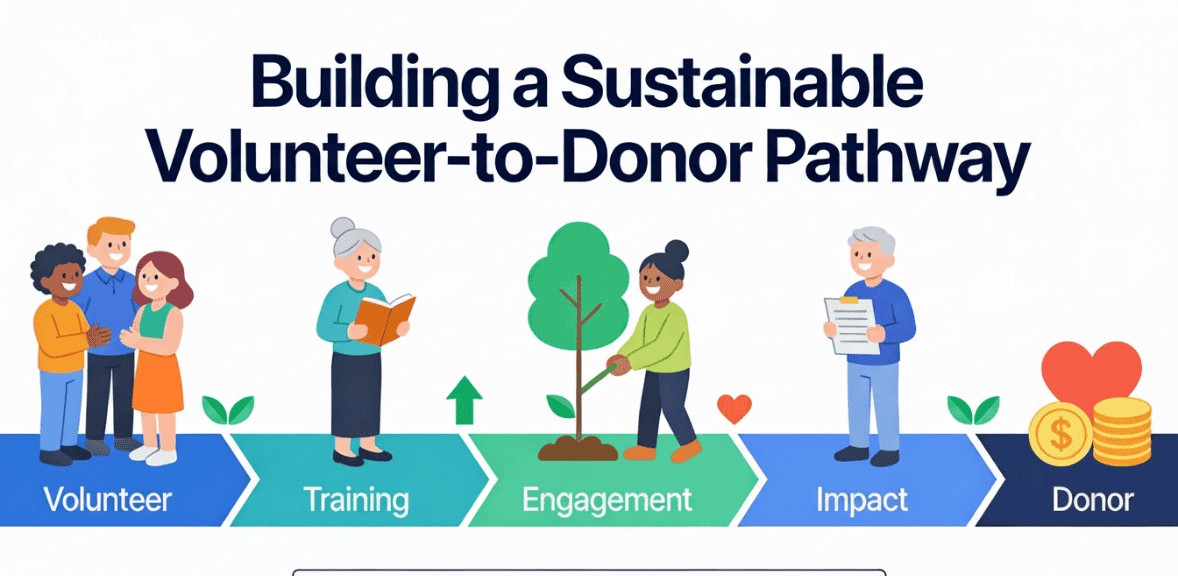
Turning volunteers into donor ambassadors is not about tactics alone. It is about culture. Organizations that succeed in this area tend to view volunteers as whole supporters, not as separate from fundraising efforts.
This mindset encourages collaboration between volunteer managers and development staff. When teams share information and goals, volunteers receive more consistent communication and better stewardship. This coordination reduces confusion and strengthens relationships over time.
A sustainable approach focuses on long-term engagement rather than immediate results. Some volunteers may take years before they choose to donate or fundraise. Others may never give financially but remain committed advocates. Both outcomes are valid and valuable.
Nonprofits serving communities across the United States, especially small and faith-based organizations, often rely heavily on volunteers. In these settings, relationships matter deeply. When volunteers feel trusted, informed, and appreciated, they are more likely to support the mission in multiple ways.
By prioritizing nonprofit volunteer management practices that emphasize respect and transparency, organizations create an environment where giving feels like a natural expression of commitment rather than an obligation.
Conclusion: From Service to Shared Ownership
Volunteers are already saying “yes” to your mission with their time. With thoughtful engagement, clear communication, and genuine appreciation, many will also choose to support your work financially and invite others to do the same.
Effective volunteer engagement recognizes that trust comes first. When nonprofits invest in meaningful experiences, show real impact, and invite—not expect—giving, volunteers are empowered to become donors and ambassadors on their own terms.
The result is a stronger, more resilient organization, supported by people who sincerely believe in the work and are willing to stand behind it. In a nonprofit landscape where relationships drive sustainability, volunteers who wear multiple hats are not just helpful—they are essential.
FAQs
Why should nonprofits focus on volunteers as potential donors?
Volunteers already trust the organization and understand its mission from the inside. That existing connection makes them more likely to support the nonprofit financially over time. Giving becomes a natural extension of their involvement, not a separate transaction.
How can nonprofits invite volunteers to donate without making them uncomfortable?
The key is to offer choice, not expectations. Volunteers should be included in fundraising communications with language that acknowledges their service and makes giving optional. Respecting boundaries helps preserve trust and long-term engagement.
Do all volunteers need to become donors or fundraisers?
No. Time is already a meaningful contribution, and not every volunteer can give financially. Strong volunteer stewardship values all forms of support and allows individuals to engage at the level that feels right for them.
What makes volunteers effective fundraising ambassadors?
Volunteers speak from personal experience, which builds credibility with their networks. When they clearly understand the mission and its impact, they can share authentic stories that inspire others to give, even without making a direct ask.
How can nonprofits track volunteers who also donate without overcomplicating the process?
Maintaining clear, accurate records helps nonprofits communicate more thoughtfully with supporters. Simple donor and volunteer tracking systems can help staff recognize dual contributions and avoid repetitive or inappropriate messaging.